
Maintaining and improving air quality is crucial for environmental protection and public health. The following case studies demonstrate Mauritius's commitment to improving air quality through a range of practices, from regulatory measures and technology adoption to community-driven initiatives and infrastructure development:
Air Quality Indexing (AQI) System in MauritiusLaunched on September 7, 2022, during the International Day of Clean Air for Blue Skies, the Air Quality Indexing (AQI) System in Mauritius aims to monitor and enhance air quality in line with WHO guidelines. Set up at the National Laboratories Complex in Réduit, this initiative by the Ministry of Environment includes six fixed stations and four IoT sensors across the island. The system provides real-time air quality data accessible via web, mobile apps, and billboards, aiming to address pollution from industrial emissions, transportation, and energy use. Highlighting a global concern, it is noted that 99% of people worldwide breathe air that exceeds WHO's safety limits. The system's launch stresses the need for heightened global and regional collaboration to tackle air pollution, a critical factor for public health and climate change mitigation. | 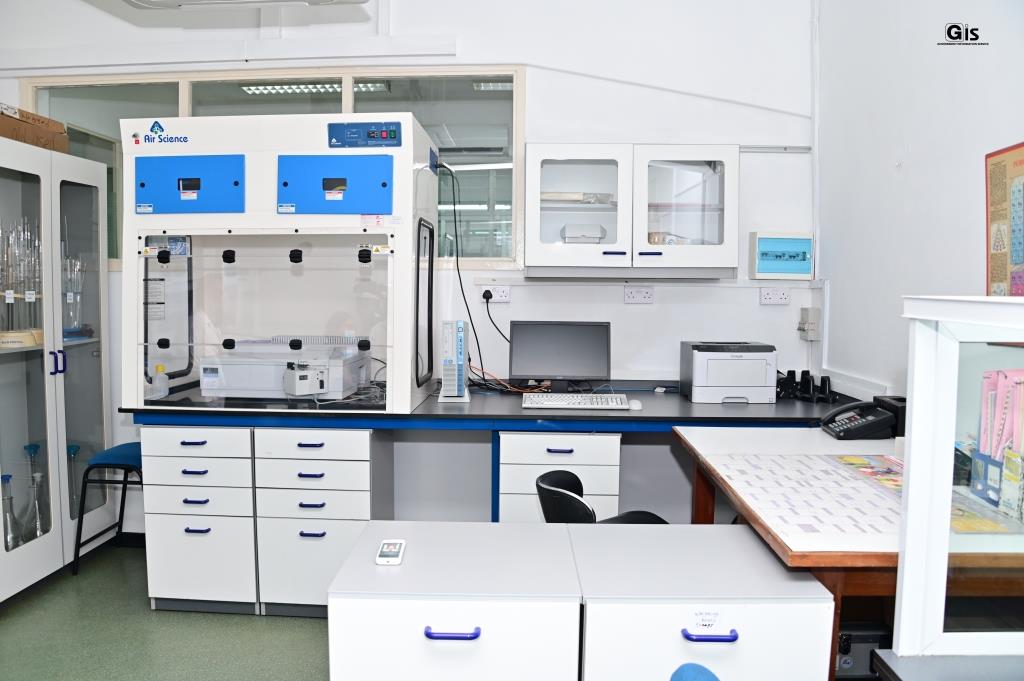 | |
Vehicle Emission ControlsCase Study: "NTA Vehicle Fitness Centre" To combat air pollution, Mauritius has implemented stringent vehicle emission testing. This programme ensures that all vehicles on the road meet specific emission standards. Regular testing and the phasing out of older, more polluting vehicles have contributed to improved urban air quality. | ||
Industrial Emission ReductionsCase Study: "Emission Control at the Jin Fei Industrial Zone" The Jin Fei Industrial Zone has adopted advanced emission control technologies, including scrubbers and filters, to minimize the release of pollutants from manufacturing processes. These measures have significantly reduced particulate matter and toxic gases, setting a benchmark for other industrial areas in Mauritius. | ||
Use of Renewable Energy SourcesCase Study: "Solar Power Adoption by Bagatelle Mall" Bagatelle Mall, one of the largest shopping centers in Mauritius, has installed a large-scale solar panel system on its rooftop. This initiative reduces the mall's reliance on fossil fuels, thereby decreasing its carbon footprint and promoting cleaner air. | 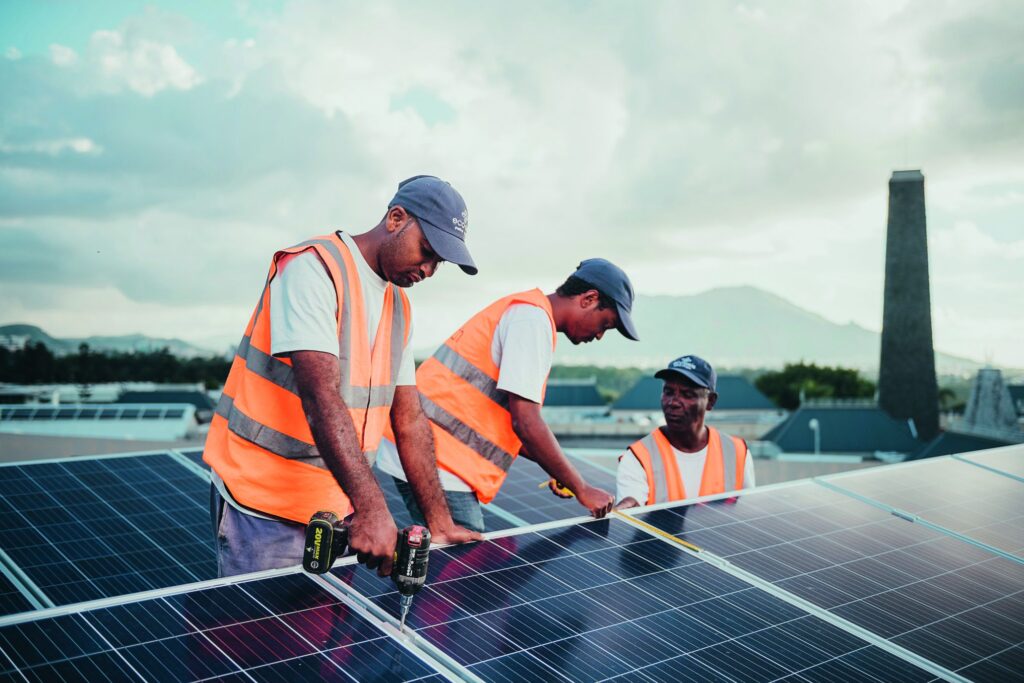 | |
Public Transportation EnhancementCase Study: "Mauritius Metro Express Project" The Metro Express light rail system in Mauritius serves to reduce traffic congestion and lower vehicle emissions by providing a cleaner, efficient alternative to road transport. This project has improved air quality in urban corridors and encouraged public transit use. | ||
Urban Greening ProjectsCase Study: "Port Louis Parks and Gardens" This project aims to plant thousands of trees around Port Louis to enhance urban air quality. Trees act as natural air purifiers by absorbing pollutants and releasing oxygen, significantly improving the atmosphere. The expanded green spaces also help cool the city by mitigating the urban heat island effect. These green areas not only provide shade and create a pleasant environment for residents but also enhance the aesthetic appeal of the city. In addition to offering a serene, cooler, and more vibrant setting, these spaces can serve as ideal locations for statues commemorating prominent figures from the past, fostering civic pride and cultural appreciation. | 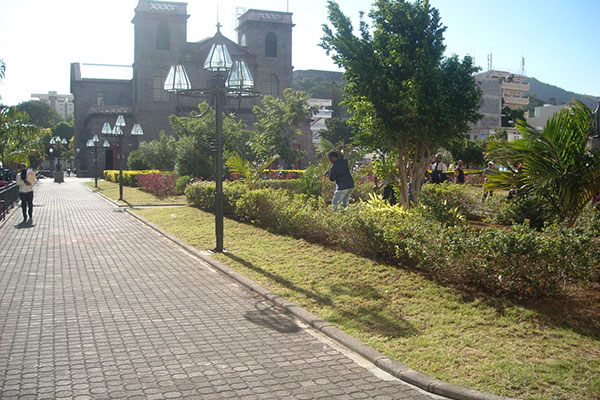 | |
Sodnac Wellness ParkSodnac Wellness Park is a public park. There is an open gym (outdoor) and a running track. It is easily accessible to all ages. | ||
Air Quality Monitoring and Public AwarenessCase Study: "Air Pollution Monitoring Unit (APMU)" Launched in October 1998, APMU was developed by the Mauritius Cane Industry Authority (formerly Mauritius Sugar Authority). The Air Monitoring Unit has the competency to perform the following test (as per US EPA Standards):
|  | |
Regulation of Open BurningCase Study: "Stop Sugarcane Field Burning" Traditionally, sugarcane fields were burned pre-harvest, but recent regulations have restricted this practice to control air pollution. Instead, mechanical harvesting has been adopted, which also helps in retaining soil nutrients. No cane burning done in mechanically harvested cane to keep trash blanket (conserve humidity and protection from run-off and rainsplash). |  | |
Energy Efficient Building DesignCase Study: "Eco-Friendly Architecture at the MCB" New buildings designed with energy efficiency in mind, including natural ventilation systems that reduce the need for air conditioning, thus lowering electricity consumption and associated emissions. | 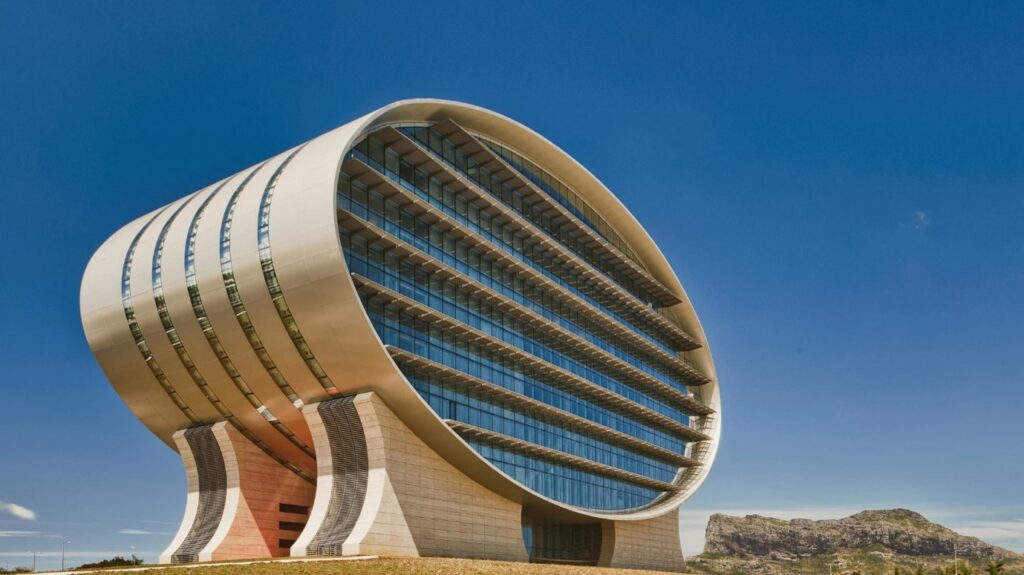 | |
Reduction of Household PollutionCase Study: "Clean Cooking LPG " To reduce indoor air pollution, government support LPG cooking which is known to be more efficient and emit fewer pollutants compared to traditional/electricity cooking methods. | 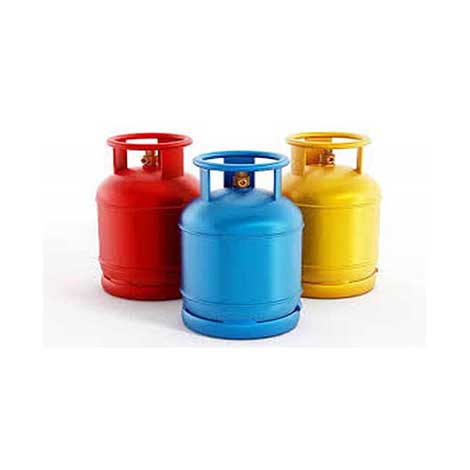 | |