
Best Practices: Circular Economy

In Mauritius, promoting a circular economy through sustainable consumption and production (SCP) is key to minimizing environmental impacts while maximizing resource efficiency. 

The following best practices and case studies illustrate how various sectors in Mauritius are integrating principles of the circular economy to achieve sustainable development, showcasing a commitment to environmental stewardship and resource efficiency:

SUSTAINABLE CONSUMPTION AND PRODUCTION

Energy Efficiency Act

The Energy Efficiency Act, passed in 2011, aims to reduce energy consumption by 10% by 2015 and promote the use of energy-efficient appliances. It supports the National Energy Strategy to enhance energy security and reduce fossil fuel dependency.

Carbon Taxation for Vehicles

Mauritius introduced a CO2 levy and rebate system in 2010 to promote energy-efficient vehicles and reduce greenhouse gas emissions. The CO2 tax is based on the emissions of vehicles relative to the threshold.

Levy on Plastic Bags

A Rs 1 levy on plastic bags was introduced in 2006 to curb their consumption, and the levy increased to Rs 2 in 2010. This policy led to a significant reduction in plastic bag use and fostered the adoption of reusable alternatives.

Fair Trade Certification 

The Mauritius Sugar Syndicate encourages small planters to obtain Fair Trade Certification, ensuring fair prices and promoting sustainable agricultural practices. This certification includes a premium used for social and economic development.

Cleaner Production at RT Knits

RT Knits implemented sustainable textile production using solar and wind energy, rainwater harvesting, and energy-efficient lighting, achieving a 30% reduction in fuel consumption and fostering a cleaner working environment.

Wind Farm Project at Grenades, Rodrigues

The Grenades Wind Farm, established in two phases from 2009 to 2010, generates 2.3 GWh of electricity annually, contributing 8% of Rodrigues' energy. Wind energy is a cost-competitive and renewable energy source.

Use of Coconut Oil and Used Oil for Energy

A project by the Mauritius Research Council substitutes diesel with coconut oil for electricity generation, reducing emissions and promoting the use of locally available resources for sustainable energy.

Biogas Production from Cattle Waste

This project treats cow dung to produce biogas for cooking, simultaneously generating organic fertilizer. It reduces methane emissions and offers a replicable solution for waste management in rural areas.

Mare Chicose Landfill Gas to Energy Project

Sotravic has been developing a project to generate electricity from landfill gas as a private enterprise since taking over operations at the Mare Chicose Landfill in 2006. The company gained authorization as an Independent Power Producer in 2009, and the power generation plant became operational in 2011, supplying up to 3.3 MW of electricity to the CEB. The project involved procuring and installing three 1.1 MW generators, electrical switchgear, transmission systems to the CEB grid, and upgrading gas collection systems, filters, and pumps to optimize the volume and quality of extracted gas.

The Mare Chicose landfill converts landfill gas (LFG) into renewable energy, generating 110 million kWh over five years. The project mitigates methane emissions and contributes to sustainable energy production.

More 


Cogeneration from Bagasse

Mauritius leads in cogeneration, producing electricity and heat from bagasse, a byproduct of sugarcane. This sustainable method reduces reliance on fossil fuels and contributes ~9% to the national electricity grid.

Blue Carbon Label and Awards

The Blue Carbon Label by MEXA promotes carbon footprint reduction among companies in Mauritius. The award recognizes businesses reducing their emissions, enhancing brand reputation and sustainability.

Energy Audits in Manufacturing

Enterprise Mauritius conducts energy audits to encourage green productivity in manufacturing. Companies are implementing recommendations to save water, energy, and reduce emissions, with support for renewable energy solutions.

Sustainable Public Procurement (SPP)

SPP in Mauritius encourages government bodies to adopt sustainable purchasing, focusing on goods and services that minimize environmental impact, reduce costs, and promote social benefits.

Rainwater Harvesting

Rainwater harvesting projects, such as those in Rodrigues and by companies like Speed Wash Ltd, collect rainwater for non-potable uses like irrigation and car washing. This reduces reliance on potable water, ensuring sustainability.

Solar Water Heater

The DBM Solar Water Heater scheme encourages households to install solar water heaters, reducing energy costs and reliance on fossil fuels. Beneficiaries save on bills, and industries involved in solar heater production benefit.

Sustainable Practices in Hotels

Long Beach Hotel integrates sustainability in its design, using energy-efficient lighting, recycling water, and composting organic waste. The hotel serves as a model for sustainable tourism in Mauritius.

Paperless Senate Meetings at University of Mauritius

The University of Mauritius has implemented paperless Senate meetings, where documents are shared digitally. This initiative saves around 140,000 A4 sheets annually, reducing waste and operational costs.

Backyard and Rooftop Gardening 

Projects like 'Back to Earth' promote food security and self-sufficiency in Mauritius through small-scale urban gardening. This initiative encourages healthy eating, reduces food waste, and fosters community engagement.

Waste Management - PET Bottle Recovery and Recycling

Mauritius has implemented PET bottle recovery and recycling initiatives, engaging producers in responsible waste management. This extended producer responsibility ensures proper waste disposal and material reuse.

FoodWise

FoodWise fights against food waste and food insecurity in Mauritius by providing solutions for businesses to save food while positively impacting our people and our planet.

More videos


Plankton Recycling

Plastic Industry (Mauritius) is trying to restore the image of plastic producers in Mauritius. The company is already involved in recycling certain plastic waste, whether generated internally or coming from other companies. It is now opening this service to the general public. Citizens will be able to drop off their plastic products at selected Winner’s supermarket branches, as a first step.


Zero Waste Mauritius

Zero Waste Mauritius is a citizen initiative that wants to promote a zero waste lifestyle and circular economy in Mauritius. 

More videos


Mission Verte

 Mission Verte is an association supported by more than 230 citizens and over 80 companies committed to the ecological transition.  For 15 years, Mission Verte has been fostering the development of a circular economy through our network of collection points and reputable recycling partners.

More videos


WeCycle

WeCycle Ltd:  Recovery and treatment of recyclable waste in Mauritius.


Eco-Hustle

Transforming urban waste into essential and sustainable products. Recycle Moi is a local initiative that focuses on collecting and recycling waste materials like paper, plastics, and metals. They also conduct workshops on upcycling, where participants learn how to creatively reuse materials. Mauritius first natural and biodegradable sanitary pads.

More videos 


Belle Verte

Combining waste collection, entrepreneurship and environmental awareness raising through upcycling. This project promotes a circular economy by using an innovative waste management system. Belle Verte partners with local businesses, municipalities, and community groups to facilitate local workshops and public cleanups.

Video


The Good Shop

A not-for-profit social enterprise.


Le Vélo Vert

ORGANIC FRUITS AND VEGETABLES AND SUPPORT FOR AGROECOLOGY

More videos


ENL Moka Smart City 

In 2015, the Mauritian government introduced the Smart City Scheme, a property development initiative integrating office, residential, commercial, educational, and healthcare spaces and recreational facilities. The scheme is founded on innovation, sustainability, efficiency, and enhancing quality of life.


More

Made in Moris

Their core purpose has always centered on food security, the promotion of expertise, and job creation. The COVID-19 crisis has underscored a crucial reality: Mauritius can no longer rely on importing its essential food supplies. Now, more than ever, local producers play a vital role in shaping the post-crisis economic model.


More

anAngel Platform

anAngel is an interactive, socially engaging, and gamified platform designed to simplify and amplify positive impact. Serving as a central hub for information on social and environmental initiatives, it brings together givers, doers, volunteers, social enterprises, and NGOs. With its robust campaign management features, anAngel aims to inspire the community to collaborate in building a better world by contributing to the sustainable development goals.


More

La Decheteque

The Materials Reuse and Recovery Platform: A Tool for the Circular Economy.

Their mission is to make the circular economy accessible to both individuals and businesses. For individuals, this is achieved through the sale of materials, while businesses benefit from consulting services. This has led to the development of two distinct branches: Kase Ranze, which provides a marketplace for second-hand building materials, and Circular Synergy, which specializes in consulting for businesses.

More

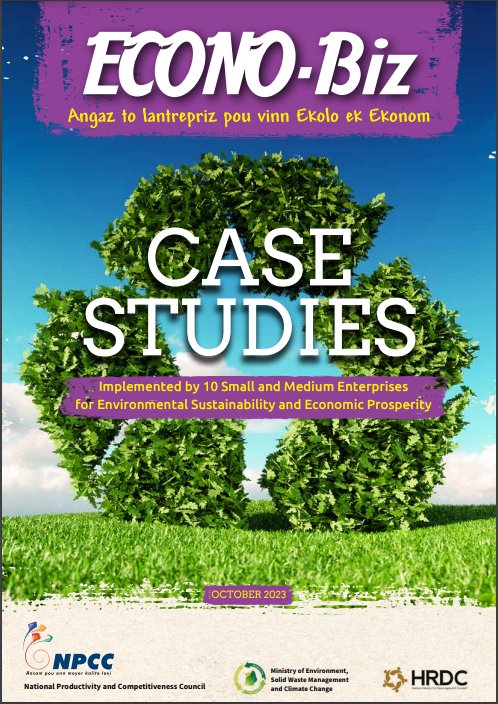
Econo-Biz (2023)


OTHERS