
Mauritius acknowledges significant progress made since the adoption of the Sendai Framework in 2015, to guide our efforts to reduce disaster risks, enhance resilience, and protect our communities, infrastructure, and ecosystems. Following the submission of our Mid Term Review, the UN System has recognised our community preparedness programme as a global good practice in its report ‘Good Practices in Disaster Risk Reduction’ dated 31 March 2023. Mauritius, being susceptible to natural disasters such as cyclones, floods, and coastal erosion, has developed several best practices in disaster management to mitigate risks and enhance resilience. The following case studies illustrate Mauritius's comprehensive approach to disaster management, incorporating early warning, community engagement, technological innovation, and environmental conservation to enhance the resilience of the island against natural disasters:
UNDRR: Are You Ready?Since 2000, disasters have disrupted the lives of over 1 billion children. More than 80,000 schools have been either destroyed or severely damaged, and the situation is worsening each year. ???? Disasters not only demolish schools and other infrastructure but also interrupt children's education, nutrition, and access to healthcare. It's crucial to prepare for both today and the future to ensure a safer environment for everyone. ????? Schools should be secure environments where children can learn without fear. Every nation needs to take measures to enhance school resilience. ???? Teachers are vital in educating us about risks and ways to safeguard our families and communities. Are you ready? Let's prepare and work together to build a safer, more resilient future! | |
Simulation exerciseCase Study: "tsunami simulation exercise" A tsunami simulation exercise was conducted in the Flic en Flac region, organized by the Western Police Division and supervised by the Assistant Commissioner of Police of the Western Division, with support from the Branch Disaster Response Team of the Mauritius Red Cross Society. | |
Training ProgrammesCase Study: “Seismology and Tsunami warnings” Documentary about the training program in seismology and tsunami warnings held at the Mauritius Meteorological Services in Vacos, Mauritius, from January 14-18, 2008. The training program is part of the Indian Ocean Tsunami warning System (IOTWS) that was developed to create "tsunami resilient" communities in the Indian Ocean region.
| |
Preparing for future CyclonesCase Study: UNDRR - How is Mauritius preparing for future cyclones? Experts from Mauritius discuss the country's vulnerability to tropical cyclones in the southwest Indian Ocean. They emphasize the importance of public awareness to enable disaster managers to take necessary precautions. Through the dissemination of warnings, relevant stakeholders are informed of impending hazards. Activation of the National Emergency Operations Command by the NDRRMC ensures swift on-ground actions in response to approaching hazards. | Click HERE for NDRRMC's series of precautionary measures for Extreme Events. 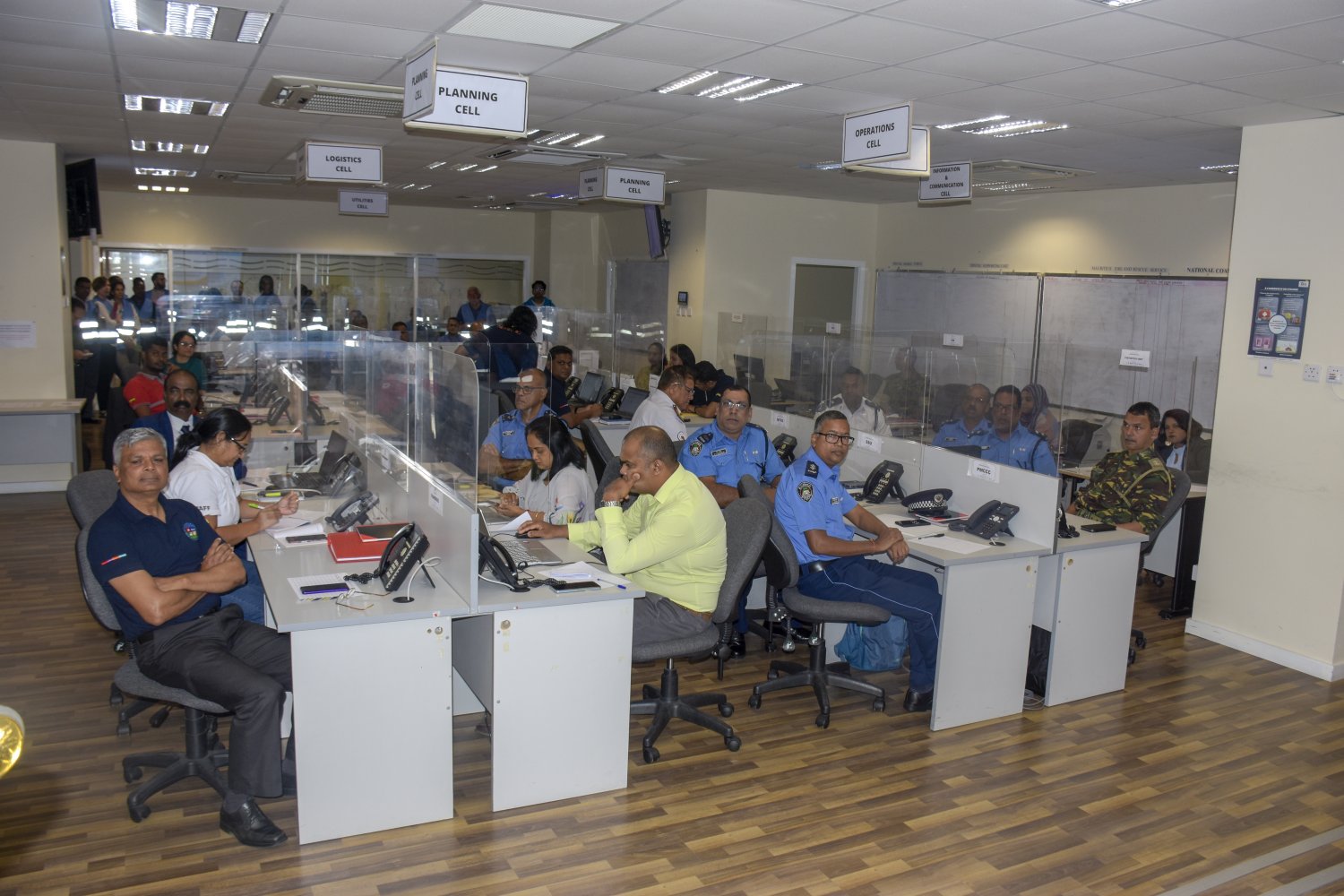 |