
Environmental health is crucial for maintaining the wellbeing of the population and preserving natural ecosystems in Mauritius. The following practices and case studies reflect a holistic approach to environmental health in Mauritius, targeting a range of issues from pollution and water quality to disease prevention and food safety, all crucial for safeguarding the health of the population and the environment
Pollution Control MeasuresCase Study: "International Day of Clean Air for blue skies: Air Quality Indexing System for Mauritius" The aim of the AQI is to collect and analyse data in view to reduce levels of key air pollutants and improve the quality of air, in line with World Health Organization (WHO) Guidelines. The AQI system comprises six fixed stations and four IoT sensors deployed around the island linked through a central network system which disseminates hourly and daily indices. The main objectives of the system are to: accurately sense air quality in real time; inform citizens about our air quality index in Mauritius | |
Best Practices and Experience of Mauritius Preparedness and Response to COVID-19 Pandemic |  |
Safe Water ManagementCase Study: “Central Water Authority's Water Quality Laboratory” The Central Water Authority (CWA) launched a program to ensure safe drinking water through upgraded treatment facilities and regular quality checks. This initiative has effectively reduced waterborne diseases and improved public health across the island. | |
Waste Management and SanitationCase Study: “Mare Chicose Landfill Management and Upgrade” The Mare Chicose landfill, the main landfill site for Mauritius, underwent significant upgrades to manage waste more effectively and reduce environmental contamination. This included the installation of methane gas capture systems and leachate treatment facilities to protect local groundwater and air quality. | |
Vector Control ProgrammesCase Study 1: “Using Sterile Insect Technique to Mitigate Mosquito Proliferation” The Vector Biology and Control Division is currently running a Sterile Insect Technique (SIT) initiative as part of its integrated vector management strategy to combat mosquito-borne diseases such as dengue and chikungunya. This Division operates under the Ministry of Health and Wellness. Through the sterile release program, the Division aims to reduce the population of Aedes albopictus, commonly known as Tiger mosquitoes. Between November 2022 and 30 January 2023, approximately 500,000 sterile male Tiger mosquitoes were released in the Champ de Mars area, leading to a 10% decrease in the fertility of Aedes albopictus eggs in the region. | |
Case Study 2: “Mauritius Anti-Mosquito Campaign” This government-led campaign aims to control mosquito populations to combat dengue and other mosquito-borne diseases. It includes public education, elimination of breeding sites, and safe use of insecticides, significantly decreasing the incidence of these diseases. | |
Case Study 3: “Use of Insecticides to Combat Mosquitoes” In 2024, Mauritius is conducting a study on the resistance of local Aedes mosquito populations to insecticides to inform the use of the most effective and safe products. The team has supported health authorities in developing strategies to reduce Aedes populations in both rural and urban areas and has assessed the country's laboratory resources. Additionally, the Mauritius Country Office has accessed the WHO’s Contingency Fund for Emergencies to provide essential equipment for the country's fight against dengue. This includes around 12,000 insect repellent sprays, 3,000 insecticide-treated mosquito nets, 1,000 liters of K-Othrine, 25,000 rapid diagnostic tests, and 5,000 respiratory masks for field workers. Further supplies are on the way. | |
Sensitization CampaignsCase Study: “Sensitization Campaign Against COVID-19 in Mauritius” Mauritius implemented a nationwide sensitization campaign to promote vaccination, hygiene, and social distancing, effectively raising public awareness to curb the spread of COVID-19. The initiative involved media broadcasts and community outreach to ensure widespread understanding of preventive measures. | Mauritius: a COVID-19 success story |
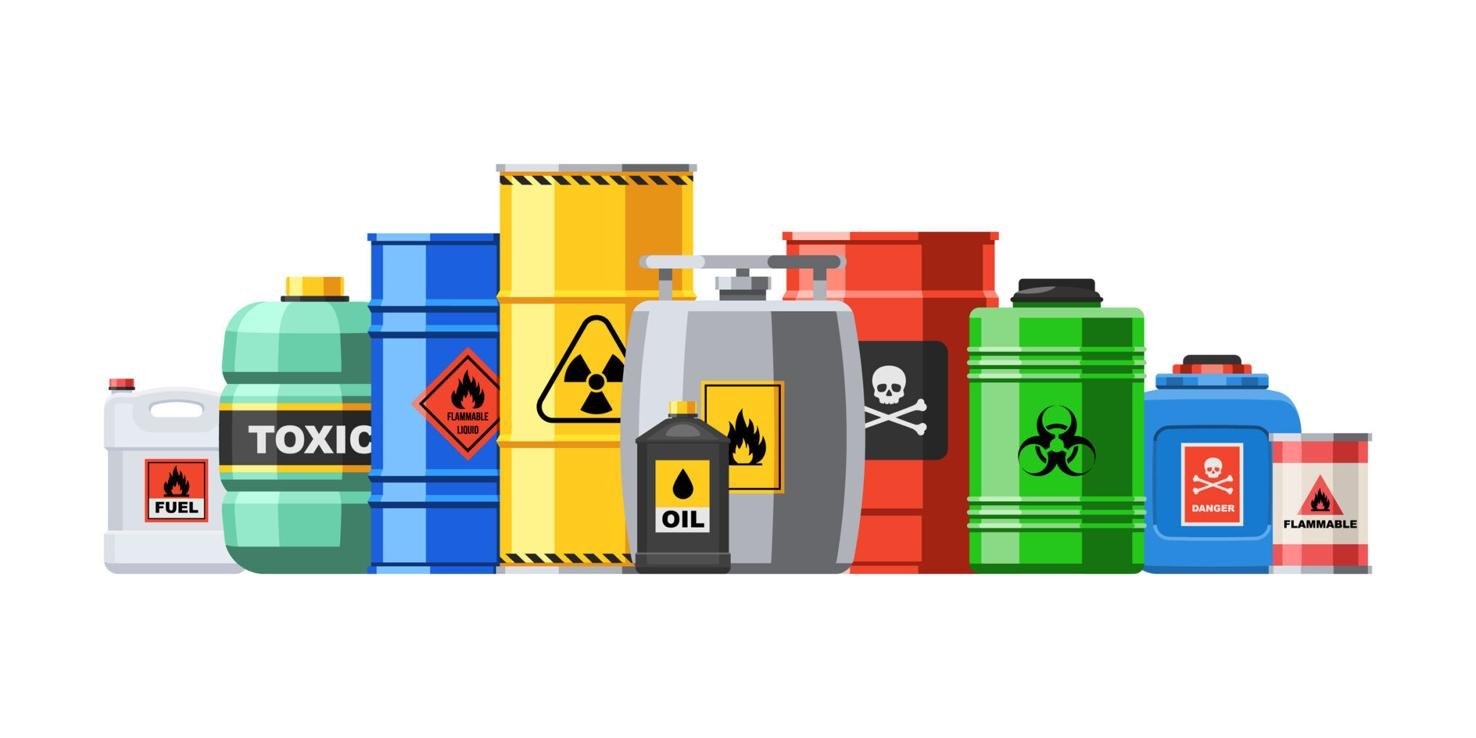
Chemical Safety and Hazardous Waste ManagementCase Study: “Hazardous Waste Treatment: Implementing Sustainable Low and non-Chemical Development in SIDS” The Indian Ocean ISLANDS-Mauritius Project, in cooperation with Business Mauritius and the Indian Ocean Commission, will be executed by the Ministry of Environment, Solid Waste Management and Climate Change, along with the Ministry of Agro-Industry and Food Security and the Ministry of Health and Wellness. With the support of UNDP, this project will contribute to improving the management and disposal of chemical wastes in Mauritius, where approximately 17,000 tons of hazardous wastes are generated annually. |
|
Food Safety RegulationsCase Study: “Food Safety and Quality Act Enforcement” The enforcement of the Food Safety and Quality Act involves regular inspections and quality control of food products at all stages of the supply chain. This ensures that food sold in Mauritius meets high safety standards, reducing foodborne illnesses. | |
Food PoisoningCase Study: “Salmonella Infection Prevention” Salmonella can affect humans. Children are at the highest risk of contracting salmonella infection. Young children, older adults, and people with weakened immune systems are the most likely to have severe infections. If a person consumes infected chicken, and subsequently develops an infection, the person can have symptoms such fever, nausea, pain, weakness. Slaughtering is the only solution to prevent the spread of the salmonella bacteria. It should be noted that 65,000 chickens are consumed daily in Mauritius. | |
Educational Campaigns on Environmental HealthCase Study: “Clean and Green Mauritius Campaign” This campaign educates the public on various environmental health issues such as proper waste disposal, the importance of clean water, and ways to maintain healthy living environments. It involves school programs, community workshops, and media outreach. |
|
Noise Pollution ManagementCase Study: “Urban Noise Control Regulations” New regulations have been implemented to manage noise levels in urban areas, particularly from construction sites and entertainment venues. These measures have improved the quality of life by reducing noise pollution-related stress and hearing problems. | How to reduce noise pollution in cities? | The Quiet Brussels Plan |
AsbestosCase Study: "National plan for Disposal of Asbestos" A protocol for disposal of asbestos waste at Mare Chicose landfill has already been established and is being followed. Provisions laid down in the hazardous waste regulations, including transport, waste manifest system and record keeping should strictly be adhered to. |