
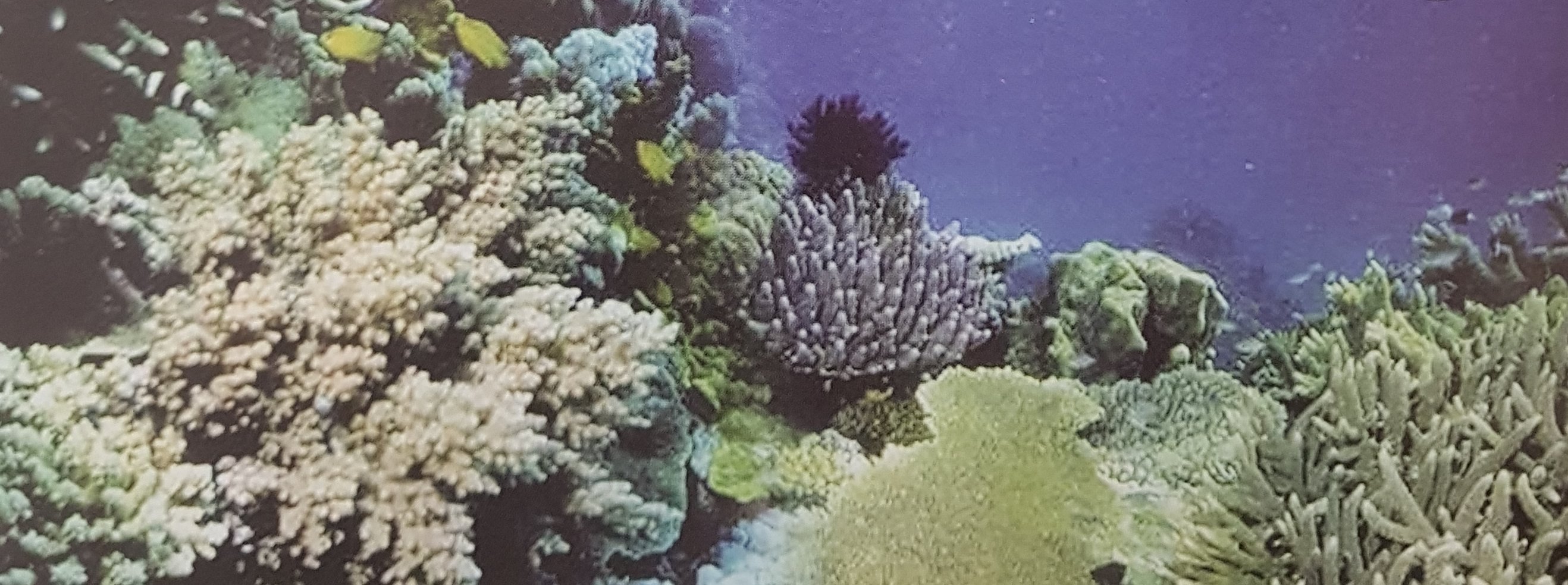
Corals grow very slowly—it takes thousands of years to form a reef. Protecting them requires collective action. Every effort counts to ensure coral reefs continue to offer sustainable benefits for generations to come.
See also 30 April 2007: Corals Mauritius, First Day Cover
What Are Corals?Corals are fascinating marine animals made up of tiny creatures called polyps. Each polyp builds a hard skeleton from calcium carbonate and looks a bit like a small sea anemone, with a mouth surrounded by tentacles. Corals form a special partnership with microscopic algae called zooxanthellae. These algae live inside the polyps, providing them with nutrients through photosynthesis—this relationship helps corals grow and thrive. Corals flourish in shallow, sunlit tropical waters (less than 30m deep), where temperatures range from 22°C to 28°C and salinity stays below 40 parts per thousand. They’re usually found between 30° North and 30° South of the equator. | 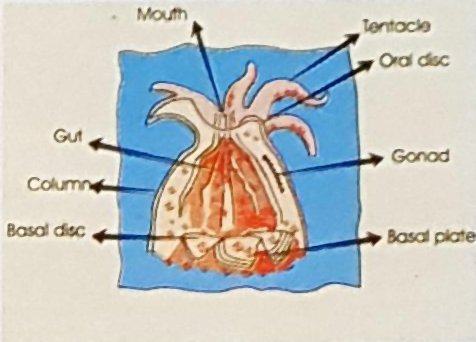 |
Coral Shapes & ColoursCorals can be:
They come in stunning shapes and colors. The vibrant hues—green, yellow, or brown—are thanks to the zooxanthellae living inside them. Just like all living creatures, corals feed, grow, and reproduce. | 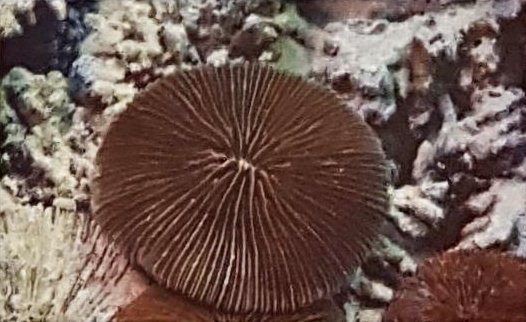
|
How Do Corals Eat?Corals feed on tiny drifting animals called zooplankton. Their tentacles are armed with stinging cells known as nematocysts, which they use to paralyze and capture prey. Most corals feed at night, when zooplankton are more abundant in the water. | |
How Do Corals Reproduce?Corals mostly reproduce by spawning, releasing eggs and sperm into the water. This often happens a few days after the full moon—typically in October/November or March/April, depending on the location. There are two main reproductive strategies:
These larvae, called planula, float for days to months before settling on a surface. Once settled, they grow into new coral colonies by forming skeletons and multiplying through a process called budding. Growth rates vary:
However, only a small number of larvae survive, as many are eaten by fish and other sea creatures. | 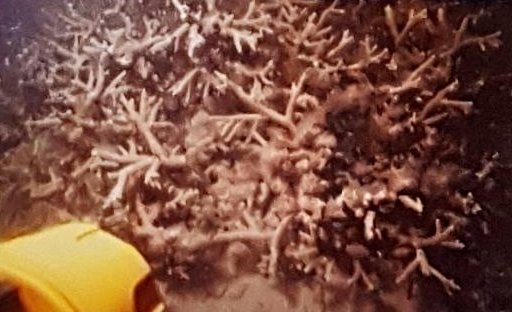 |
How Are Coral Reefs Formed?Over time, old corals die, and new ones grow on top of their skeletons. This ongoing process, happening over thousands of years, leads to the formation of coral reefs. Today, coral reefs cover more than 600,000 square kilometers of the ocean floor. These ecosystems are among the most biodiverse on Earth, with intricate relationships between animals, plants, and the environment. | |
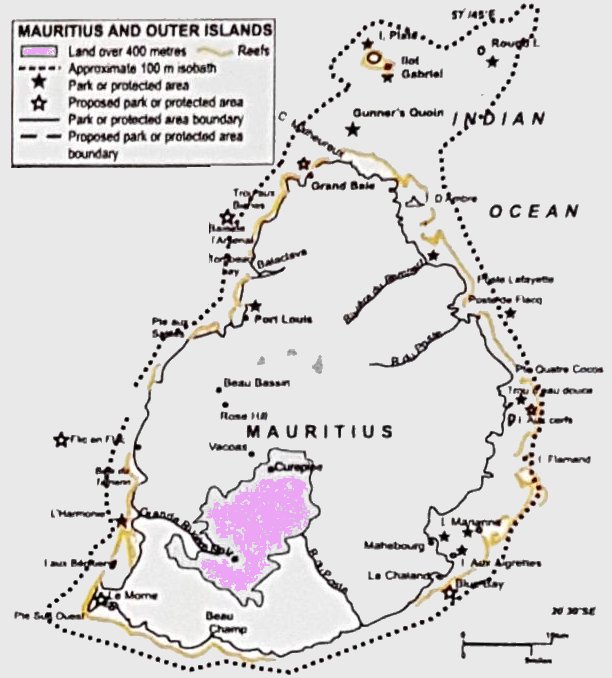
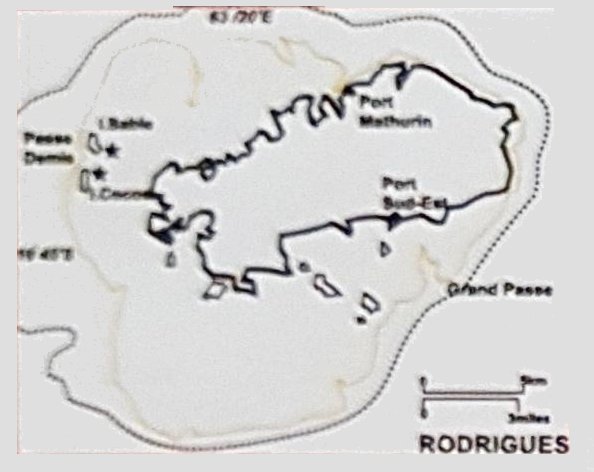
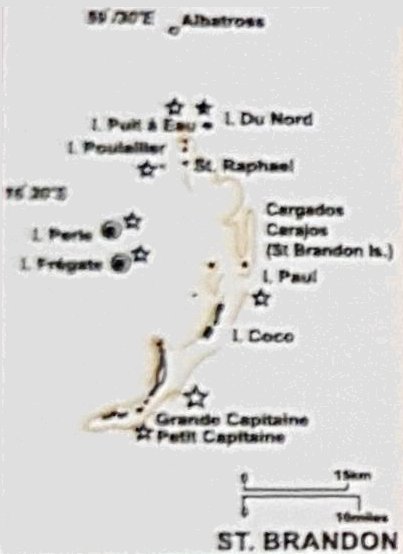
Coral ReefsTypes of Coral ReefsThere are three main types of coral reefs: 1. Fringing Reefs: These form close to shorelines around islands and are marked by a shallow reef flat on the landward side. In some areas, the reef flat rises above sea level to form a reef crest. The fringing coral reef plays a pivotal role in shielding the Mauritian coastline from waves originating in the open ocean, contributing significantly to tropical ocean ecology. 2. Barrier Reefs: These develop along the edge of the continental shelf, between the shore and the open ocean. They are separated from the land by a wide, deep lagoon. 3. Patch Reefs: These occur on the irregular seabed of the continental shelf. Corals settle on raised areas of the seafloor, forming isolated patches. MauritiusMauritius is surrounded by about 150 km of fringing reefs, except for breaks on parts of the southern and western coasts. A short stretch of barrier reef is also found off the southeastern coast near Grand Port. Five types of reefs: fringing, reefs, atolls, reef flats and barrier reefs; 43 genera of hard corals; 159 species from 16 families. Rodrigues & the Outer IslandsIn Rodrigues and St. Brandon, extensive reef systems cover about 200 km² and 190 km², respectively. One endemic coral: acropora rodriguensis. The Agaléga Islands are entirely encircled by fringing reefs, while coral reefs are also present in the Chagos Archipelago.
Acropora rodriguensis
|    |
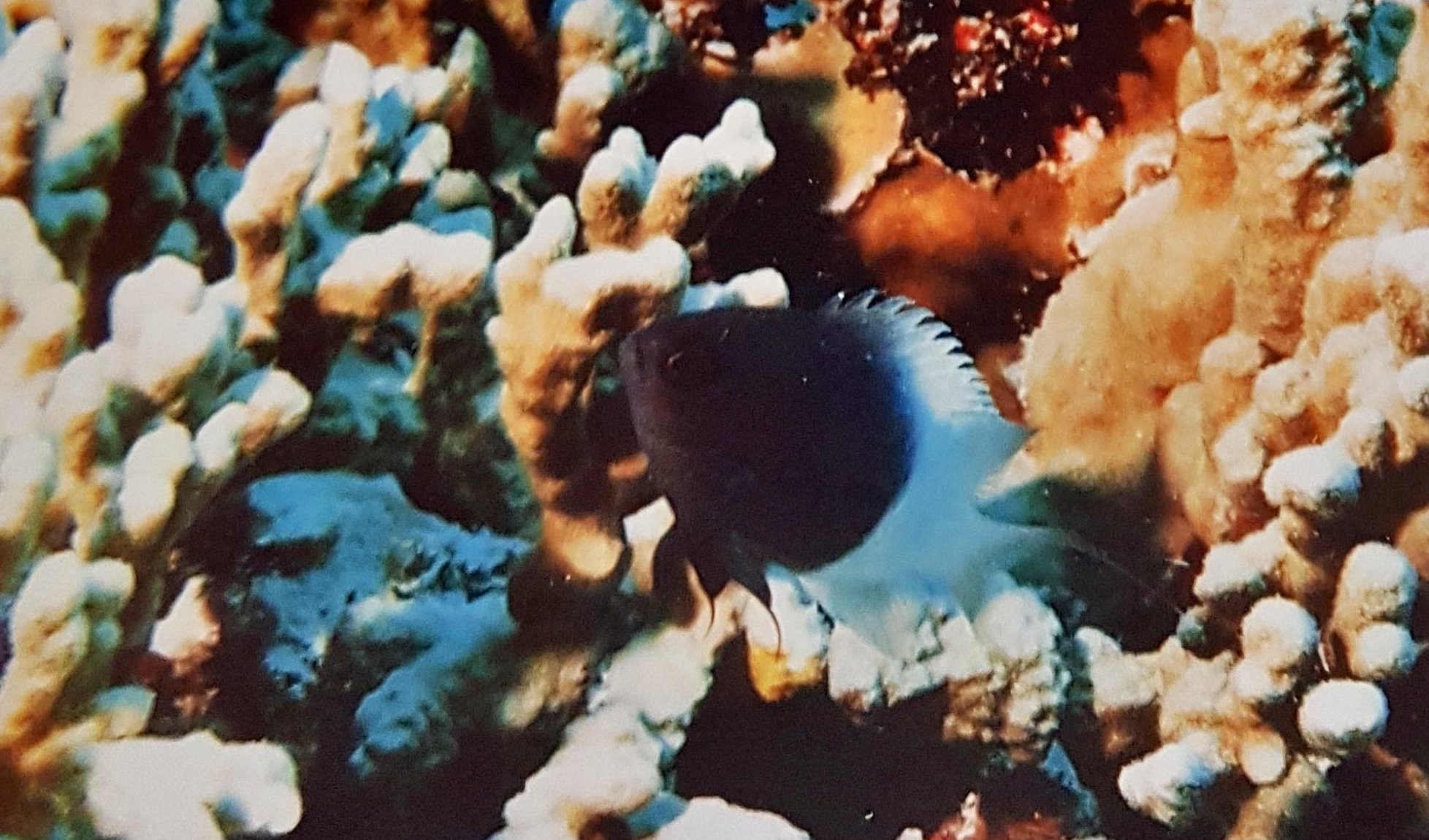
Why Coral Reefs MatterCoral reefs play a vital role in marine ecosystems and human livelihoods for many reasons:
|  |
Coral Reef FishesCoral reefs are home to some of the most colorful and beautifully patterned fishes in the world. These fish come in an astonishing variety of sizes, shapes, and colors. Even within the same species, there can be striking differences between males and females, and between juveniles and adults. Many reef fish—like butterflyfish, parrotfish, and wrasses—are corallivores, meaning they feed on corals.
These feeding behaviors contribute significantly to sediment redistribution and the formation of coral sand. To avoid predators, many reef fish form large schools, making it difficult for predators to single out individuals. Common schooling species seen in Mauritian lagoons include:
Some reef fish may appear attractive but can deliver painful stings. An example is the scorpionfish or laffe volant. | 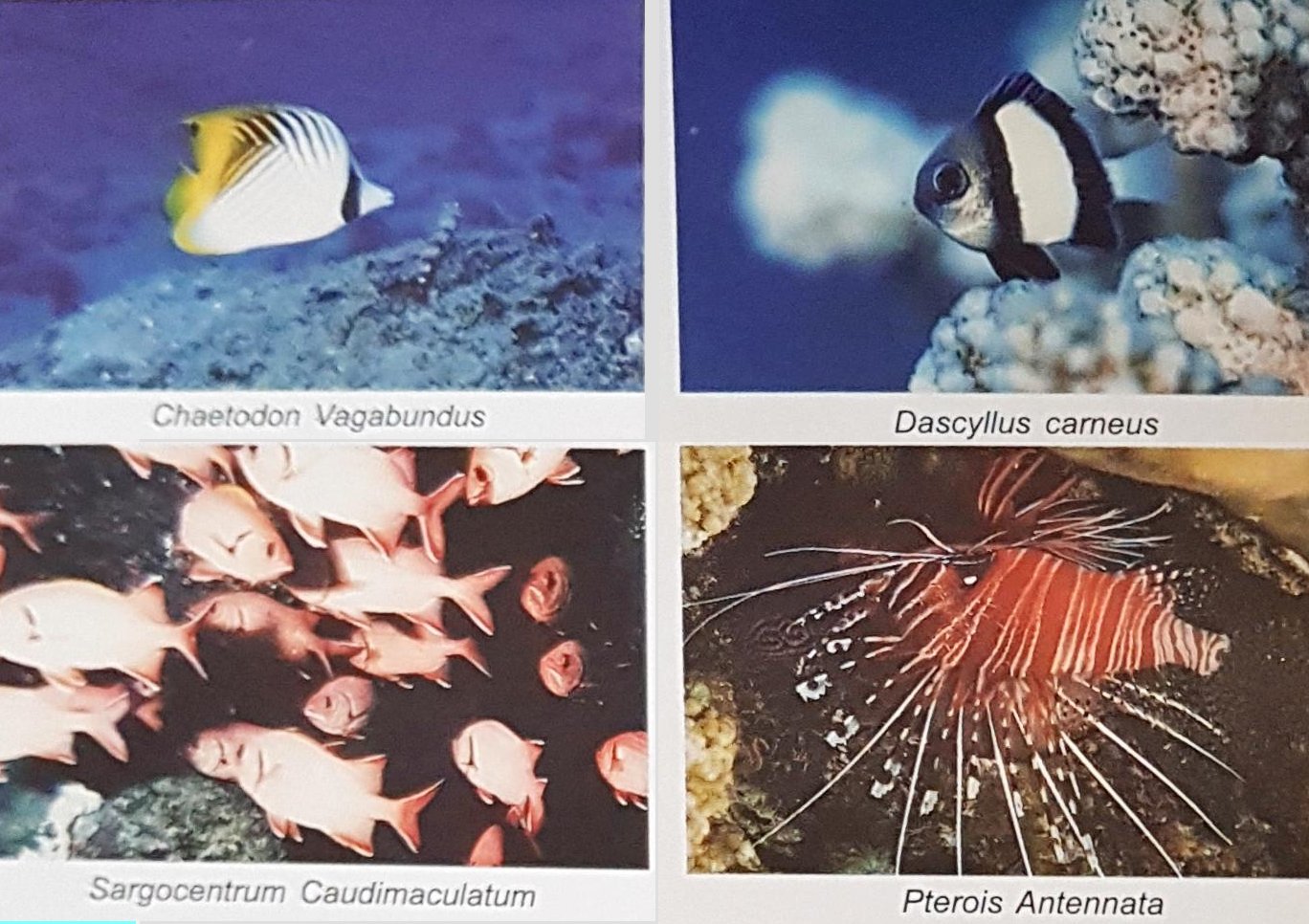 |
Impacts on Coral ReefsCoral reefs worldwide are rapidly degrading. Major threats include:
These threats are pushing reefs beyond their ability to recover naturally. | 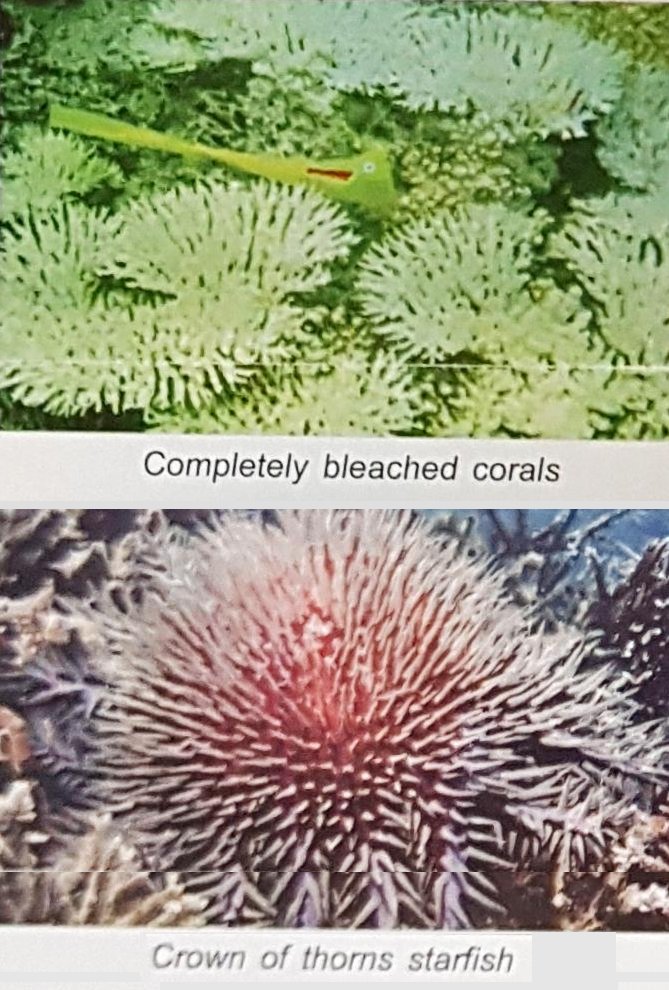 |
Measures to Protect Coral ReefsTo conserve marine life and reef ecosystems, several protective regulations have been implemented: # Ban on coral and shell trade | 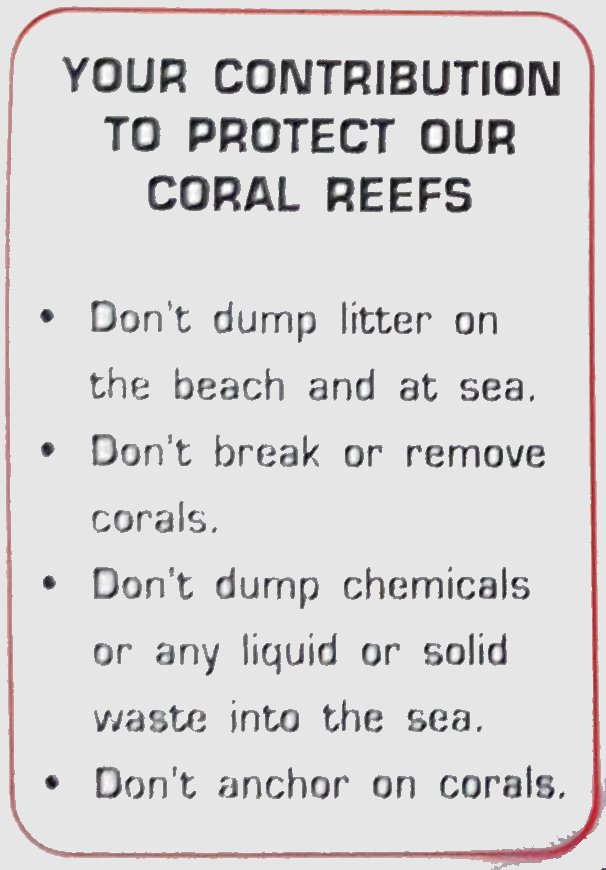 |