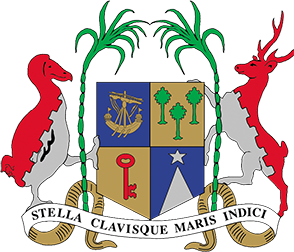
Mauritius Environment
- Mauritius is home to some of the world's rarest plants and animals, previously including the dodo bird, which is now extinct but was native to the island.
- Black River Gorges National Park in Mauritius protects most of the island’s remaining rainforest and is home to over 300 species of flowering plants and nine species of birds unique to Mauritius.
- Mauritius is using cutting-edge technology and international collaborations to combat invasive species and restore its native biodiversity.
- Mauritius was the only known habitat for the now-extinct dodo bird, which became a symbol of man-induced wildlife extinction.
- Government of Mauritius has implemented numerous marine protected areas around the island to preserve its marine ecosystems, which are crucial for the local tourism industry and biodiversity.
- Mauritius is actively engaged in large-scale reforestation projects to combat the loss of forest cover and to mitigate the effects of climate change.
- Mauritius has set ambitious targets to increase its renewable energy output, aiming to reduce dependence on imported fossil fuels and decrease greenhouse gas emissions.
Rodrigues Environment
- Rodrigues has implemented extensive conservation efforts to protect its unique coral reefs, which are crucial for the island’s biodiversity and fishing industry.
- The Francois Leguat Giant Tortoise and Cave Reserve in Rodrigues is not only a major tourist attraction but also plays a critical role in the conservation of endangered species and the restoration of the island’s native flora.
- Rodrigues is pioneering the use of renewable energy within the Mauritian islands, with a significant percentage of its electricity generated from wind and solar power.
- Rodrigues has been actively involved in the reforestation of degraded lands, with thousands of native trees planted to restore ecological balance and reduce soil erosion.
- Rodrigues has its own Environmental Impact Assessment (EIA) legislation, tailored to protect its unique environmental attributes from developmental impacts.
- Rodrigues operates one of the most successful rainwater harvesting programs in the region, which is essential for the island’s water supply given its limited natural freshwater resources.
- Rodrigues has banned plastic bags, plastic plates, cups, and cutlery to combat plastic pollution, becoming a leading example in environmental policy among island nations.
Saint Brandon Environment
- Saint Brandon, also known as the Cargados Carajos Shoals, is a group of over 50 small islands, islets, and reefs under Mauritian sovereignty.
- Saint Brandon is one of the most important nesting sites for seabirds in the Indian Ocean, hosting several species during the breeding season.
- The archipelago of Saint Brandon is recognized for its pristine marine ecosystems, which include some of the healthiest coral reefs in the Indian Ocean, largely untouched by human activity.
- Despite its remote location, Saint Brandon is critically important for the study of climate change effects on coral reefs and marine biodiversity due to its isolation and minimal human impact.
- Saint Brandon serves as a key site for scientific research and conservation projects aimed at understanding marine life patterns and protecting endangered species in the region.
- The waters around Saint Brandon are crucial habitats for the green turtle, which comes to the islands to nest, and efforts are being made to protect these endangered creatures from poaching.
- Saint Brandon's remote and uninhabited nature makes it a critical area for monitoring illegal fishing activities and ensuring sustainable fish populations in the Mauritian exclusive economic zone.
- Saint Brandon's lagoons and their surrounding environments are some of the least explored and studied, offering unique opportunities for discovering new species and understanding marine ecosystems.
Agalega Environment
- Agalega is home to a significant population of coconut crabs, which are the largest terrestrial arthropods in the world and are considered a vulnerable species due to habitat destruction and overharvesting..
- The islands host one of the few remaining intact native hardwood forests in the Indian Ocean, providing critical habitat for a variety of endemic and migratory bird species.
- Agalega has been identified as a key site for climate change research, particularly for studying the impacts of sea level rise on low-lying coral islands.
- Conservation efforts in Agalega focus on preserving its unique marine and terrestrial biodiversity, which includes several species of plants and animals not found anywhere else.
- The coral reefs surrounding Agalega are among the least disturbed by human activity in the Indian Ocean, making them invaluable for marine biodiversity studies and conservation.
- Agalega's isolation has helped preserve its ecological integrity, but it also faces threats from invasive species which can disrupt its delicate ecosystems.
Chagos Archipelago
- Chagos is home to the Great Chagos Bank, which is the largest coral atoll structure in the world and provides critical habitat for myriad marine life forms.
- Conservation efforts in Chagos are primarily aimed at protecting its significant seabird populations and the recovery of island ecosystems from previous human exploitation.
- Chagos plays a vital role in climate change research, providing data crucial for studying oceanic health and global ecological trends due to its isolated location.
- The islands' native vegetation and the surrounding marine environment are crucial for studying natural ecological processes and resilience to environmental changes.
- Chagos is central to biodiversity studies due to its unique position in the Indian Ocean, serving as a living laboratory for scientists studying island ecology and marine conservation.
Tromelin Environment
- Tromelin is the smallest island of the Republic of Mauritius.
- Tromelin is an important nesting site for seabirds, particularly the sooty tern, with its undisturbed beaches providing critical breeding grounds.
- The island serves as a key monitoring station for meteorological and environmental studies due to its strategic location and minimal human impact.
- Tromelin's coral reefs are part of a rich marine ecosystem that supports diverse marine life, despite the island's small size and isolation.
- Conservation projects on Tromelin aim to protect its unique wildlife and habitats, focusing on sustainable practices to minimize human footprint.
- The island is involved in international research projects studying the impacts of climate change and sea level rise, crucial for future conservation strategies in similar environments.
- Tromelin's vegetation is sparse and adapted to harsh, saline conditions, showcasing a unique example of plant resilience and adaptation.
Wildlife
- The Arctic fox can change its fur color with the seasons to blend into its surroundings.
- Elephants can detect rainstorms from up to 150 miles away.
- Frogs absorb water through their skin so they don't need to drink.
- Honeybees communicate through a dance called the "waggle dance" to tell other bees where to find food.
- Sea otters hold hands while sleeping to keep from drifting apart.
- The fastest land animal, the cheetah, can go from 0 to 60 mph in just three seconds.
- Turtles have existed for over 200 million years.
- The Okapi, often called the forest giraffe, is actually more closely related to zebras.
- Some species of whales sing complex songs that can last up to 20 minutes and be heard miles away.
- Pangolins are the most trafficked mammals in the world due to their scales.
Pollution
- Over 1 million seabirds and 100,000 sea mammals are killed by pollution every year.
- Plastic bottles can take up to 450 years to decompose.
- The Great Pacific Garbage Patch is a floating mass of garbage twice the size of Texas.
- Air pollution causes more than 7 million deaths worldwide every year.
- Microplastics are found even in the deepest part of the ocean, the Mariana Trench.
- E-waste is the fastest growing waste stream in the world today.
- More than 80% of urban sewage in developing countries is discharged untreated into water bodies.
- Discarded fishing nets make up for approximately 10% of all marine litter.
- Cigarette butts are the most discarded waste item worldwide, with an estimated 4.5 trillion thrown away each year.
- Over 500 million straws are used every day in the U.S. alone.
Climate Change
- The last decade was the hottest on record, according to multiple global scientific agencies.
- Polar bear weight and reproductive success are declining as Arctic ice melts.
- Climate change could push more than 100 million people into poverty by 2030.
- Glacier retreat is happening so fast that many could disappear this century.
- Rising sea levels are expected to submerge major cities by 2050.
- More than 1/3 of all carbon dioxide emissions are absorbed by the oceans, causing ocean acidification.
- Wildfires are becoming more frequent and intense due to climate change.
- Coral reefs are dying at an alarming rate due to warming seas.
- The number of climate change-related disasters has tripled in the last 30 years.
- Permafrost in the Arctic is thawing, releasing ancient viruses and bacteria.
Renewable Energy and Sustainability
- Solar energy has become the cheapest source of electricity in many parts of the world.
- Wind energy is one of the fastest-growing energy sources globally.
- The first country to use hydroelectric power was Norway in 1885.
- Global investment in renewable energy exceeds $300 billion each year.
- Bamboo can grow up to 35 inches in a single day.
- Recycling one aluminum can save enough energy to run a TV for three hours.
- Geothermal energy, a renewable energy source, comes from the heat within the Earth.
- The world’s largest wind turbine can generate enough electricity to supply about 16,000 homes.
- Around 80% of all rooftops are suitable for solar panels.
- If food waste were a country, it would be the third largest emitter of greenhouse gases after the USA and China.
Water
- Less than 3% of the world’s water is fresh water, and two-thirds of that is tucked away in frozen glaciers.
- The average person unknowingly consumes about 70,000 microplastics each year.
- Over 2 billion people live in countries experiencing high water stress.
- It takes more than 2,400 gallons of water to produce one pound of meat.
- Nearly 1,000 children die every day due to preventable water and sanitation-related diseases.
- The water footprint of an average American is 32,911 glasses per year.
- Water scarcity affects more than 40% of the global population.
- If you shorten your shower by just 1-2 minutes, you can save up to 150 gallons of water per month.
- A running toilet can waste up to 200 gallons of water per day.
- The United Nations expects water shortages to affect nearly half the globe by 2030.
Miscellaneous
- Earth is the only planet in our solar system with liquid water on its surface.
- The world's oldest trees are more than 4,600 years old.
- Ants and termites play a crucial role in our ecosystems by breaking down dead matter.
- Volcanic eruptions can affect climate patterns globally.
- Biodiversity hotspots are regions that contain a great diversity of species but are under threat from humans.
- Invasive species cause more than $1.4 trillion in damage each year.
- Earth loses 18.7 million acres of forests per year, equivalent to 27 soccer fields every minute.
- Over one-third of the world's food is wasted.
- Light pollution affects over 80% of the world's population.