
Includes ship grounding, collision, sinking, and capsizing
MV Benita (2016)Date of Incident: June 16, 2016 | ||
The MV Benita was a bulk carrier that became widely known due to an environmental incident off the coast of Mauritius. On June 16, 2016, the vessel ran aground on the reefs at Le Bouchon, near the southern shores of Mauritius. This grounding led to concerns of an environmental disaster, given the sensitive marine and coastal ecosystems in the vicinity. The MV Benita incident serves as a reminder of the potential environmental hazards associated with maritime activities and the need for preparedness and rapid response to prevent lasting damage to marine ecosystems. |
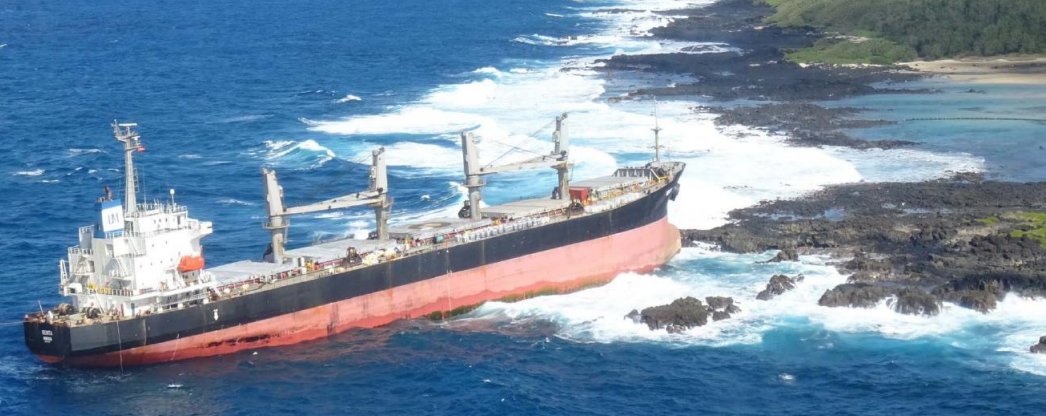 | |
Key Points About MV Benita Incident:Grounding Details: The MV Benita, a Liberian-flagged bulk carrier, was en route from India to Durban, South Africa, when it ran aground. The grounding was reportedly caused by a physical altercation among crew members, which led to a loss of control of the vessel. Response and Salvage Operations: Immediate efforts were made to stabilize the vessel and mitigate any environmental impact. Salvage teams were deployed quickly, and containment measures were set up to manage fuel and oil spill risks. Environmental Impact: The ship carried approximately 145 tons of fuel oil, and there was a significant risk of spillage that could have severely impacted the marine biodiversity and the surrounding coral reefs. Fortunately, prompt response and effective containment minimized the environmental damage. Salvage and Wreck Removal: The salvage operation involved the removal of oil, fuel, and hazardous materials from the ship. After several weeks, the decision was made to scuttle the vessel due to the extensive damage it had sustained and the risks involved in attempting to refloat it. The MV Benita was eventually towed and scuttled in deep waters on July 30, 2016, to prevent further environmental risk to the coastal waters of Mauritius. Lessons and Outcomes: The incident highlighted the importance of swift emergency response and the effectiveness of Mauritius' maritime and environmental protection protocols. It also underscored the need for robust measures to prevent and quickly address maritime accidents, especially in ecologically sensitive areas. | ||
MV Wakashio (2020)Date of Incident: July 25, 2020 | ||
The MV Wakashio was a bulk carrier that became the center of a major environmental disaster in Mauritius. The vessel, which was Japanese-owned and Panama-flagged, ran aground on a coral reef off the southeastern coast of Mauritius on July 25, 2020. This incident led to a significant oil spill, one of the worst ecological disasters in the history of Mauritius. The MV Wakashio disaster not only caused immediate ecological damage but also left long-lasting impacts on the environmental policies and economic activities in Mauritius. The event stands as a somber reminder of the risks posed by maritime traffic to sensitive ecological zones and the importance of preparedness and swift action in mitigating such risks. | 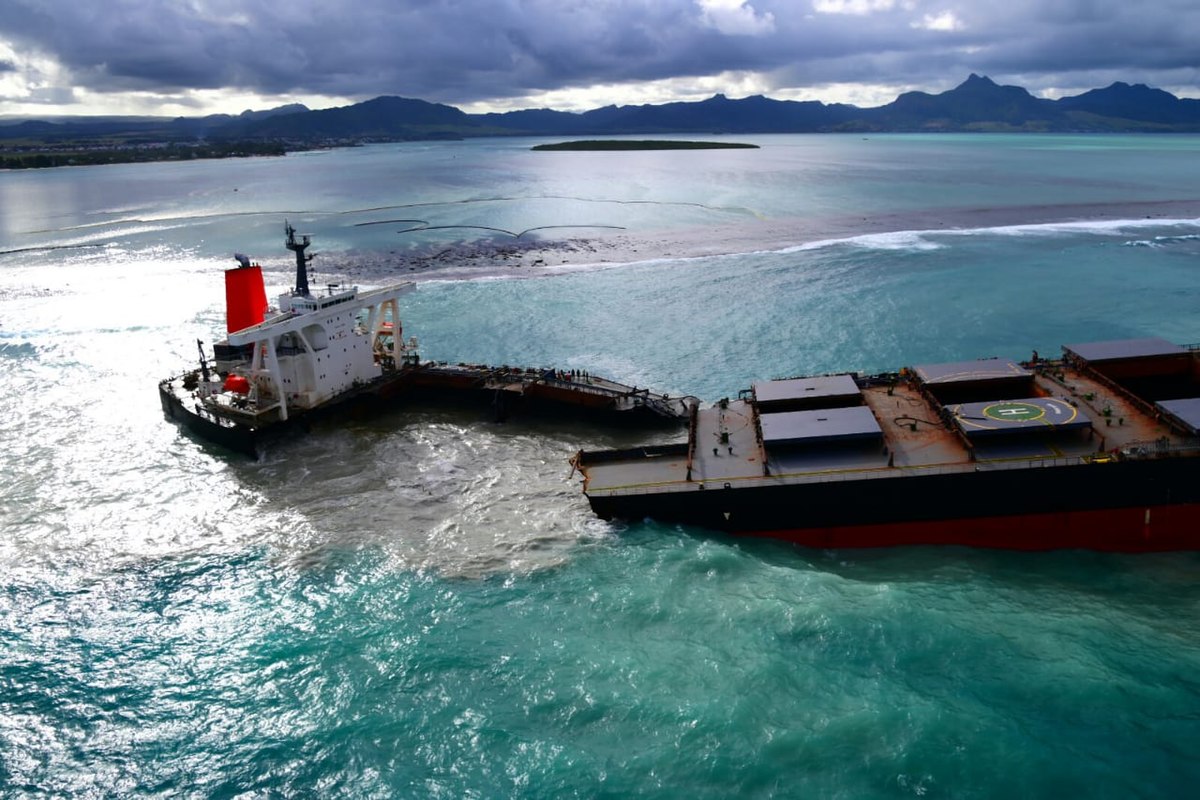 | |
Key Points About the MV Wakashio Incident:Details of the Grounding: The MV Wakashio was en route from China to Brazil carrying approximately 4,000 tons of fuel oil. It grounded on the coral reefs near Pointe d’Esny, close to a marine park and an internationally recognized wetland. Response and Salvage Operations: The grounding prompted an immediate emergency response from the Mauritian government, local volunteers, and international organizations. Efforts focused on containing the oil spill and protecting the coastline, including the deployment of booms and the use of absorbent materials. Environmental Impact: Approximately 1,000 tons of oil leaked into the pristine waters, affecting the marine ecosystems, wildlife, and mangrove forests. The spill posed a severe threat to the diverse flora and fauna of the region, including endangered species and coral reefs that are vital for the local economy and biodiversity. Salvage and Wreck: Removal: Salvage operations included the removal of the remaining fuel from the vessel and attempts to stabilize the ship to prevent further damage. The front section of the ship was eventually towed and sunk in deeper water, while the stern remained on the reef. Legal and Economic Repercussions: The incident caused widespread outrage and led to protests over the handling of the disaster and demands for greater protection of the environment. The owners of the vessel faced legal actions and compensation claims, and the incident sparked discussions about maritime safety and environmental regulations. Lessons and Outcomes: The disaster highlighted the vulnerabilities of marine ecosystems to shipping accidents and the need for stringent international maritime safety and environmental standards. It also prompted Mauritius and other nations to reevaluate and strengthen their strategies for protecting marine environments and responding to environmental crises. | ||