

Aquaculture

Mauritius has transformed its approach to both marine and freshwater aquaculture from experimental activities to a structured and strategic sector, emphasizing sustainability, economic viability, and environmental stewardship, while increasingly focusing on sustainable practices and public-private partnerships to address challenges like market demand and ensure long-term growth.


Aquaculture involves the cultivation of fish, shellfish, and aquatic plants in both fresh and saltwater environments. Products from aquaculture are raised in settings such as earthen ponds, freshwater lakes, bays, and the open ocean. These aquatic organisms are nurtured with proper feeding and care to maintain optimal health and product quality. The primary goals of aquaculture include food production, stock enhancement, and socio-economic development. 

Islands naturally gravitate towards exploiting marine and coastal resources due to their geographical settings. Yet, logistical challenges, elevated production costs, and sometimes a scarcity of coastal areas have historically restricted the aquaculture potential of isolated islands. Mauritius's aquaculture sector stands poised to address the increasing global demand for sustainable seafood, while also preserving marine ecosystems. Mauritius distinguishes itself as a promising contender in the field of aquaculture. This shift is bolstered by several key advantages:

  • A determined governmental push to expand the aquaculture sector,

  • Accumulated technical and commercial expertise from pioneering industrial aquaculture ventures,

  • The operational presence of the Albion Fisheries Research Center,

  • Domestic production of aquaculture feeds, which also supports the shrimp farming industry in Madagascar,

  • A variety of cargo plane routes offering competitive freight options,

  • A skilled and educated local workforce,

  • The presence of a robust, enabling regulatory framework and sustainable governance practices

  • These enhance the sector's appeal, attracting global investors looking for significant growth opportunities. 


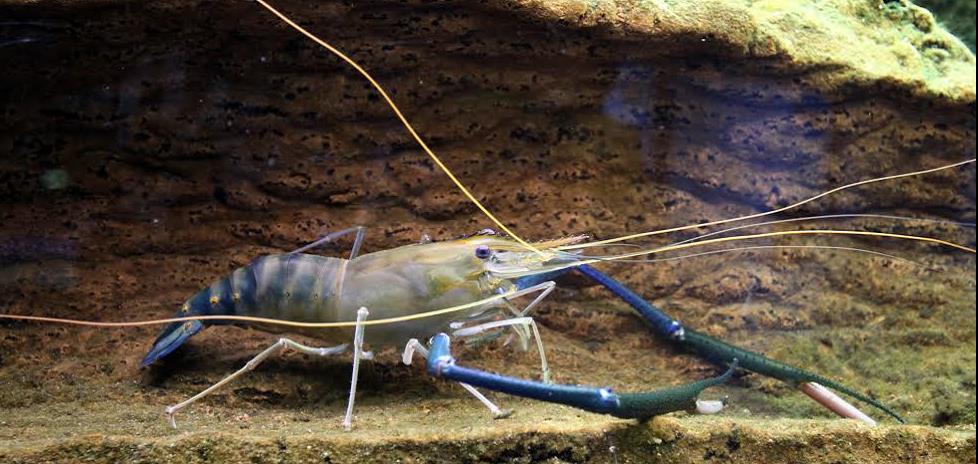
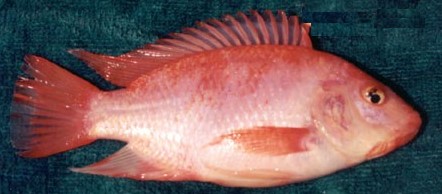
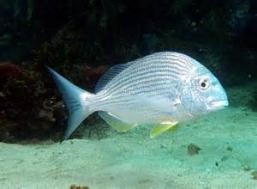
The Aquaculture Division of the Ministry of Blue Economy is responsible for the promotion of aquaculture development to increase fish production through research on different marine and freshwater species.  The division is also involved in seed production of the giant freshwater prawn, red tilapia hybrid, seabream and provides extension services to local farmers.  Opportunities within the Mauritius aquaculture landscape include Off/In Lagoon Aquaculture and Inland Aquaculture.

Chronological Development of Freshwater Aquaculture in Mauritius

  • 1920s: Species such as couscous, tilapias, dame céré, black bass, and gouramier were introduced.
  • 1972: The introduction of freshwater prawn (camaron) brood stock from Hawaii marked the beginning of structured aquaculture in Mauritius. This led to the adoption of green water and clear water rearing techniques, initially by the private sector.
  • Late 1975: Introduction of three species each of Chinese and Indian carps, intended for polyculture with camaron. These species were introduced to enhance local fish production and diversify aquaculture species.
  • 1980s: The 1980s saw continued efforts in the expansion of aquaculture facilities, focusing on optimizing rearing conditions and exploring the feasibility of additional species, although specific milestones are less documented.
  • 1990: Introduction of red tilapia hybrids from Malaysia, incorporating advanced culture techniques like monosex culture for improved yield and quality.
  • 1996: Introduction of freshwater crayfish, aiming to further diversify aquaculture species in Mauritius, although it faced low consumer demand.
  • 2002: The private sector withdrew from the camaron business due to high operational costs and water scarcity, leading to government intervention in hatchery production to support medium and small-scale farmers. The early 2000s also saw the discontinuation of both red tilapia and crayfish culture by the private sector due to various challenges, including market demand and operational viability.
  • 2010s: This period involved significant government efforts to revitalize the aquaculture sector, focusing on sustainable practices and supporting local aquaculturists through improved facilities and technical support.
  • 2020s: The development of the Aquaculture Master Plan aimed at sustainable growth, setting ambitious production targets and emphasizing eco-friendly practices. The plan projected potential annual production increases and sought to establish Mauritius as a hub for sustainable aquaculture.
     

Throughout these decades, Mauritius has navigated various challenges in freshwater aquaculture, including economic viability, environmental sustainability, and market demand. The focus has increasingly shifted towards sustainable practices and leveraging public-private partnerships to ensure the long-term growth and viability of the aquaculture sector.


Chronological Development of Marine Aquaculture in Mauritius 

French colonial period: Fingerlings of various marine fish species were gathered from the lagoon and raised in 'barachois'—coastal ponds designed for fish fattening. 

1970s: The 1970s marked the early exploration into marine aquaculture, primarily focusing on small-scale, experimental cultivation of marine species to assess the feasibility and potential impacts on local ecosystems.
1980s: During the 1980s, there was an increase in institutional support, with the establishment of research facilities dedicated to marine aquaculture. Efforts were primarily aimed at understanding marine ecosystems and developing techniques suitable for the local climate and water conditions.
1990s: The 1990s saw a broadening of species cultured in marine environments, including trials with various shellfish and finfish. The Government and private sectors began to invest more significantly in developing infrastructure and capabilities for marine aquaculture.
2000s: By the 2000s, marine aquaculture began to take a more commercial turn with the establishment of several operational farms producing primarily for local consumption and export. During this period, Mauritius also began to implement regulatory frameworks to ensure sustainable practices within the industry.
2010s: The 2010s were characterized by strategic growth, with Mauritius seeking international partnerships to bolster technological exchange and market expansion. The focus was on high-value species that could enhance the economic viability of the sector.
2020s: In the early 2020s, Mauritius introduced comprehensive plans to promote sustainable marine aquaculture practices. This included initiatives aimed at minimizing environmental impact and enhancing the socio-economic benefits of aquaculture to local communities. The government set ambitious targets for production and sustainability, incorporating advanced technologies and eco-friendly practices.


Throughout these decades, Mauritius's approach to marine aquaculture evolved from experimental activities to a more structured and strategic sector, focusing on sustainability, economic viability, and environmental stewardship. This progression reflects a global trend towards more responsible and sustainable aquaculture practices.

 
Freshwater Prawn (Camaron)
Berri Rouge  (Oreochromis sp.)
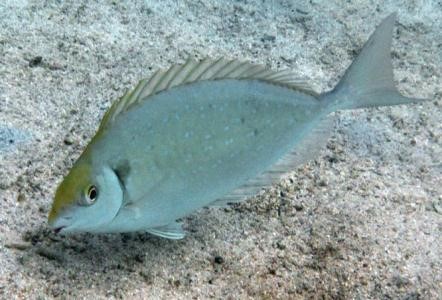
Cordonnier (Siganus Sp )
Silver Sea Bream (Rhabdosargus sarba)