
Context | ||
1. Current Energy LandscapeMauritius relies heavily on imported fossil fuels, with oil and coal supplying more than 80 % of the country’s total annual energy production over the past decade. This dependence leaves the nation exposed to global price fluctuations and supply disruptions. Despite this reliance, renewable energy is steadily growing, with bagasse (sugarcane residue), hydro, and solar power currently making up the main renewable contributions to the national energy mix. 2. Policy and Regulatory FrameworkThe Mauritian energy sector is governed by a comprehensive regulatory framework that facilitates the integration of renewable energy into the national grid. This strong policy environment provides the foundation for a sustainable, low-carbon energy future. 3. Key Challenges
4. Government InitiativesThe Government of Mauritius has launched a range of initiatives to tackle these challenges:
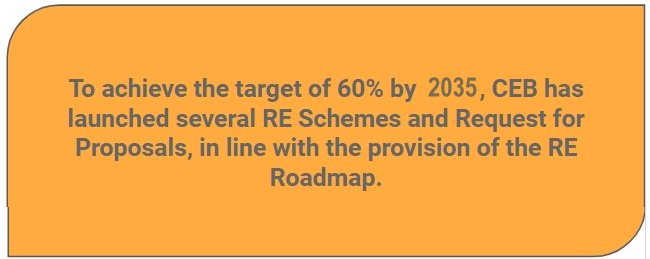
5. Renewable Energy Roadmap 2035Originally introduced in 2019 and updated in 2022, the Renewable Energy Roadmap now targets 60 % renewable electricity by 2035. The revised timeline reflects:
Key projects include:
The Mauritius Renewable Energy Agency (MARENA) will review and update this strategy every five years to guide the country’s transition to clean energy. 6. Mauritius in the Global ContextAlthough Mauritius contributes minimally to global greenhouse gas emissions, the country aims to be a model for small island states by:
By investing in solar, wind, and hydropower, expanding research and development, and participating in global climate initiatives, Mauritius can influence sustainable energy practices beyond its shores. 7. OutlookMauritius’ commitment to renewable energy—supported by robust policies, international cooperation, and ongoing innovation—positions the island to phase out coal by 2030 and achieve a 60 % renewable share by 2035. These actions will not only enhance national energy security but also strengthen the country’s role as a regional leader in clean, sustainable energy. |
For the latest electrical energy production, click HERE. | |