
The coastal and marine environment of Mauritius, which is integral to its identity, features pristine beaches, vibrant coral reefs, and diverse marine life. These ecosystems contribute to the island's cultural and economic fabric, attracting tourists and supporting local fisheries. Mauritius continues to fight challenges like coastal erosion, overfishing, and climate change to safeguard the coastal and marine treasures for future generations. The long term objectives is a coastal zone resilient to natural hazards, anthropogenic and climate change related impacts, where a right balance is struck between our coastal ecosystems and development where the right of the public to enjoy their natural heritage is protected and marine resources including biodiversity are preserved so as to allow the sustainability of livelihoods.
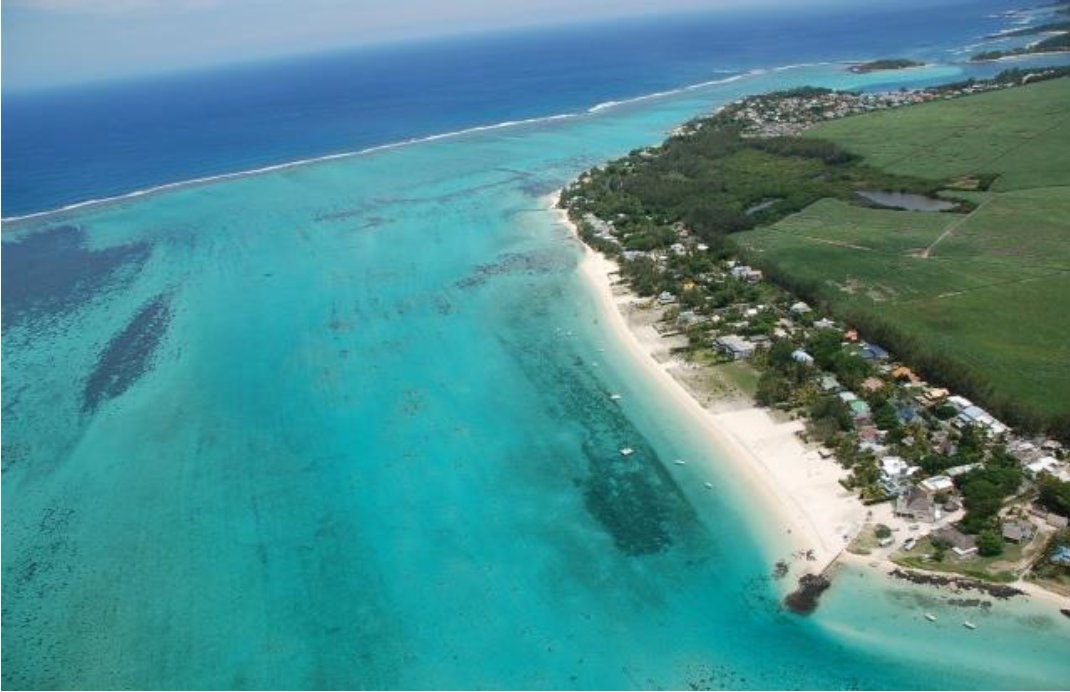 | The coastline plays a vital role in the tourism industry that hosts activities such as swimming, snorkeling, diving, and sailing. The coral reefs, some of the most diverse in the world, harbour a kaleidoscope of marine life, attracting tourists and supporting local fisheries. Fishing communities depend on the abundant marine resources, emphasizing the delicate balance required for sustainable practices. The vital ecosystems of the coastal zone and the ocean, however, face a multitude of challenges, including erosion, pollution, overfishing and the effects of climate change. Erosion is a significant concern, particularly in areas where development and human activities have disrupted natural coastal processes. Pollution from runoff, sewage, and marine debris poses threats to both the environment, the fisheries resources, and public health. Efforts are underway to mitigate these challenges through measures such as beach nourishment, coastal vegetation restoration, and wastewater management initiatives, ensuring they continue to thrive for future generations. Additionally, Mauritius is actively involved in international agreements and partnerships aimed at addressing climate change and protecting marine ecosystems. | ||
Mauritius has an Exclusive Economic Zone (EEZ) that covers about 2.2 million km², providing extensive maritime resources. An additional 0.4 million km² is jointly managed with Seychelles. The coastal zone in Mauritius is one of the most significant natural assets. The coastal zone is characterized by stunning beaches, coral reefs, lagoons, and a diverse range of marine habitats. It is a precious resource that requires careful management to ensure its preservation for future generations to enjoy. With its beaches, coral reefs, and diverse marine life, it's a crucial aspect of both the environment and the economy. The 322 km coastline of mainland Mauritius is made up of hotel and developments, residences, and public beaches. | 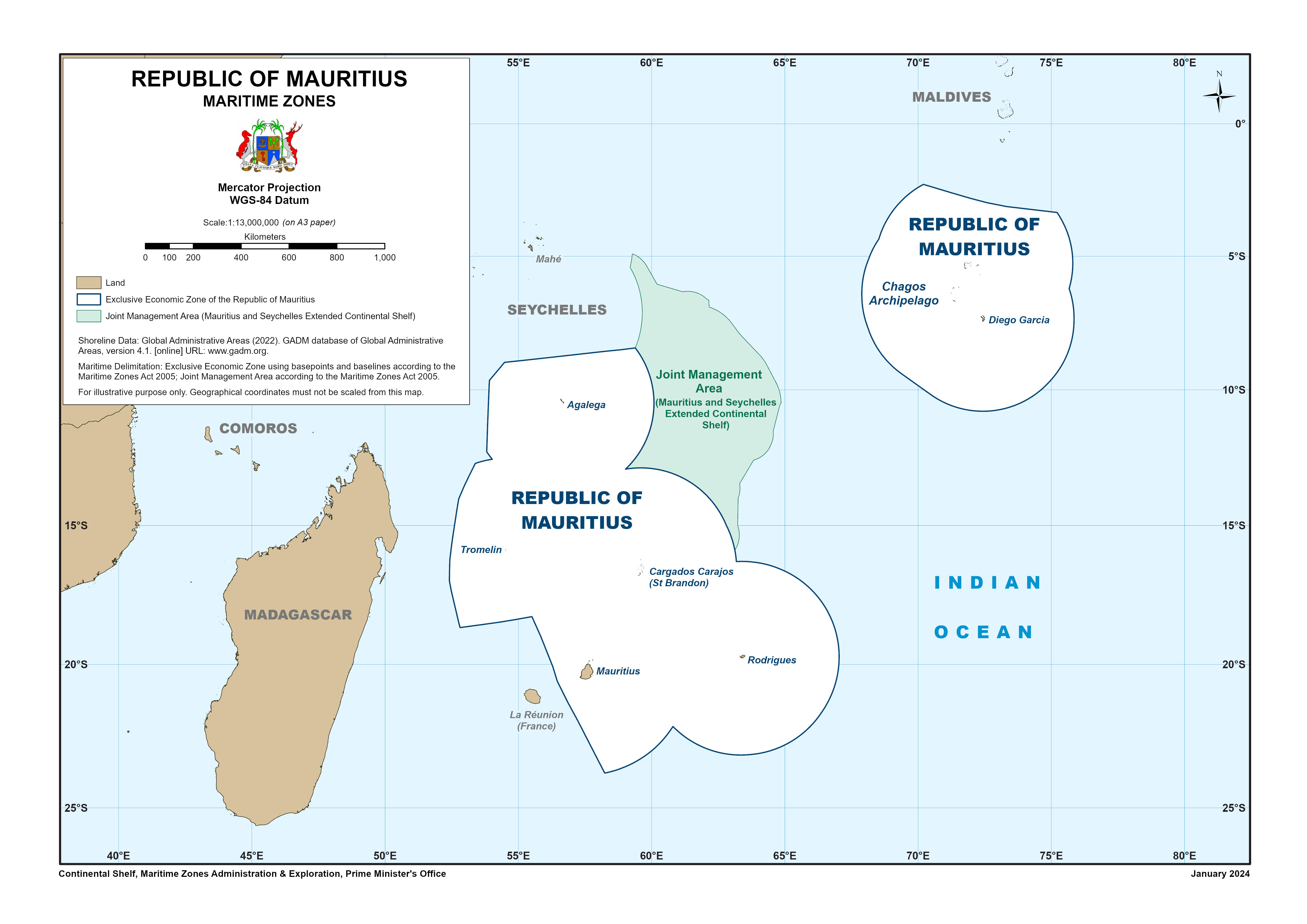 | ||
Key characteristics of the coastal zone of: | |||
The ocean and coastal zones are crucial for the Mauritian economy, supporting key sectors such as tourism, fishing, and shipping. Mauritius also seeks to expand its ocean economy through initiatives like seabed exploration for minerals, hydrocarbons and ocean energy. Economic value of coastal resources (2012): Rs 1 Trillion Mainland Mauritius
Ongoing initiatives to restore coral reefs and manage fisheries sustainably are vital to preserving the marine environment. Rodrigues
| |||
Quick Facts (source: ICZM) | |
Extent & Occupancy:
Marine Biodiversity:
|
Significance of the Coastline | |
|  |
Challenges and Management | |
The majority of coastal properties are state land, leased under "Pas Geometriques" categorization, and are utilized primarily for tourism and private residences. The challenge lies in balancing the intense development pressures with the need to preserve accessible public spaces and protect the environmental integrity of the coastal areas.
Effective management strategies and legal frameworks are urgently required to protect Mauritius' coastline from overexploitation while balancing economic growth with environmental conservation and public access. This will ensure the sustainable use of coastal resources for future generations. |