
Official Name: Rodrigues
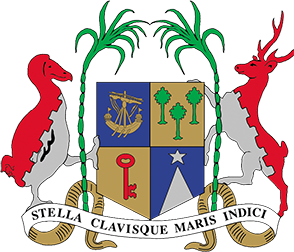
|  Coat of Arms | 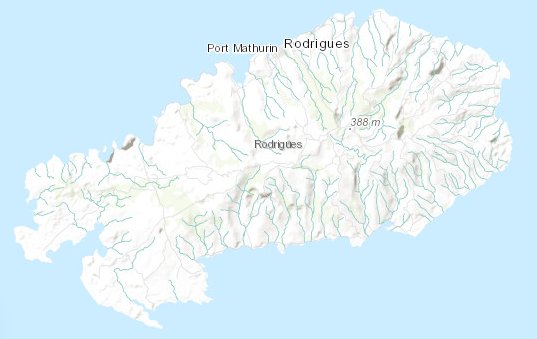 |
|
Rodrigues, an island of 108 km² nestled 625 km east of Mauritius, is located at latitude 19°43”S and longitude 63°25”E. Rodrigues gained independence in union with Mauritius in 1968. Rodrigues is an integral part of the Republic of Mauritius and gained autonomy in October 2001, charting its own course while retaining its close ties. Rodrigues is governed by the Rodrigues Regional Assembly (RRA) and a dedicated Ministry of Rodrigues within the Mauritian Government. It possesses its own Regional Assembly and an Executive Council tasked with formulating and implementing socioeconomic policies. Governance on the island is managed by the Regional Assembly, with elections conducted every five years. For additional information, please visit the Rodrigues Regional Assembly website: http://assembly.rra.govmu.org. |  | |
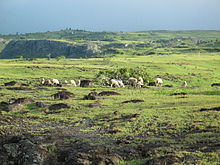
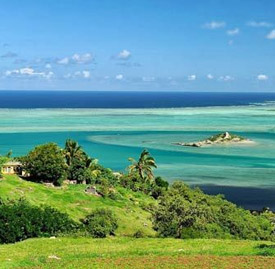
The Natural Environment of RodriguesRodrigues, the youngest and smallest island in the Mascarene archipelago, spans 108 km² and features a rugged, volcanic landscape with a peak at Mont Limon (398 m). Rodrigues island is dominated by a steep central ridge which crosses the island almost throughout from the East to the South-West, over a distance of about 10 km, tapering off in the West into a calcareous coral plain. The island's terrain includes many steep river valleys and a jagged coastline, with a shallow lagoon fringed by about fifteen islets. The island's composition varies, showcasing both basaltic lava and volcanic ash in different regions. It's surrounded by one of the Indian Ocean's largest lagoon (encompassing a staggering 240 km²), fringed by a nearly continuous coral reef platform stretching an impressive 90 km and varying enormously in width from 50 m in the east to 8-10 km in the west. The island measures about 18 km in length and 6.5 km at its widest point. Rodrigues boasts a mild tropical maritime climate year-round, with consistent trade winds providing a refreshing breeze. While Rodrigues enjoys a generally pleasant climate, it is susceptible to extreme weather events like cyclones, droughts, and floods. These events can cause damage to infrastructure and disrupt economic and social activity on the island.
A Blend of CulturesThe population of 44,661 (estimated mid-year 2022, Statistics Mauritius) showcases a diverse blend of cultures from African, Malagasy, French, and Asian descendants, reflecting its rich history and vibrant customs. Whilst the descendants arrived in the 18th and 19th centuries to form the foundation, with French settlers adding to the cultural tapestry during the early colonial period, the 20th century saw a further diversification with the arrival of Asians, particularly from China.
Aspirations and ChallengesRodrigues is determined to transform into an "Île Écologique," reflecting a strong political will and commitment to sustainable development. The island's dependency on its natural resources intertwines its economy and social fabric with the environment, making it highly susceptible to climatic adversities such as cyclones, droughts, and floods. These challenges lead to environmental degradation and diminished agricultural productivity. Key infrastructures like roads, educational facilities, ports, and water systems are particularly vulnerable. Moreover, unsustainable practices like overfishing, uncontrolled grazing, and disorderly construction exacerbate these issues.
Strategic Environmental InitiativesRodrigues has embarked on significant initiatives to mitigate environmental impacts and promote sustainability. The island adopted the Sustainable Integrated Development Plan in 2009, which lays out strategies for sustainable growth. The Rodrigues Regional Assembly further reinforced this commitment by establishing the Sustainable Development Goal Committee in 2020, focusing on integrating and executing the Sustainable Development Goals (SDGs). These efforts are supported by substantial investments, including a Rs1 billion allocation detailed in the broader Rodrigues Master Plan, which aligns with the Republic of Mauritius Master Plan for the Environment.
Regulatory and Institutional FrameworkThe Environment Act 2024 of Mauritius, which extends to Rodrigues, serves as the backbone of the island's environmental policies. Under this Act, the Rodrigues Environment Committee, supplemented by an Environment Unit, takes the lead in environmental management and protection. This setup ensures that the Rodrigues Regional Assembly can enact and manage local environmental regulations effectively.
Environmental Challenges and Sustainability EffortsMajor environmental challenges include significant land degradation due to uncontrolled agricultural practices and deforestation, a decline in native biodiversity from invasive species, water scarcity exacerbated by decreased rainfall and saline intrusion, and coastal erosion threatening infrastructure and livelihoods.
Commitment to Ongoing Environmental StewardshipDespite these obstacles, Rodrigues remains steadfast in its pursuit of sustainable development. The island is taking proactive steps to mitigate climate-related risks, such as establishing the Rodrigues Disaster Risk Reduction and Management Centre and appointing a Commissioner of Environment. Efforts to restore degraded ecosystems, protect coastal zones, and promote sustainable agricultural practices are underway. To have a better comprehension of the environmental management, more resources, relevant data, capacity building, public engagement are required. |
| |

DPSIR analysis for Rodrigues Island |
The Driver-Pressure-State-Impact-Response (DPSIR) framework offers a comprehensive way to analyze environmental issues by linking causes, effects, and interventions. This DPSIR analysis for Rodrigues Island underlines the interconnected nature of environmental issues and the need for integrated responses that encompass policy adjustments, community involvement, and sustainable practices to ensure the long-term health of the island's ecosystems.
Drivers | Pressures | State | Impact | Response |
| Economic Development: Expansion in agriculture, fisheries, tourism, infrastructure, and small-scale industries. Economic activities are intensifying to improve living standards and boost economic growth. | Resource Extraction: Increased agricultural and fishing activities strain local ecosystems. Tourism expansion necessitates the construction of more hotels, increasing the demand for land, water, and energy. | Environmental Degradation: Unsustainable practices like overfishing and uncontrolled land use change are leading to the degradation of coastal and marine environments as well as terrestrial ecosystems. | Biodiversity Loss: Over-exploitation and habitat loss threaten Rodrigues' rich biodiversity, with negative impacts on marine life and terrestrial fauna and flora.
| Environmental Governance and Policies: Implementation of strategies for sustainable development, waste management, water conservation, and protection of biodiversity. For instance, efforts to manage waste effectively and rehabilitate land and coastal zones. |
| Population Growth: As of 2020, Rodrigues' population was about 43,819, projected to increase to approximately 49,600 by 2058. This growth drives higher consumption of natural resources. | Infrastructure Development: Building new infrastructure and facilities places physical pressure on the natural landscape, leading to habitat disruption and increased pollution. | Resource Depletion: Increased demand from tourism and local consumption is leading to the overuse of water resources and potential overfishing, affecting the health of the marine and terrestrial biodiversity. | Reduced Ecosystem Services: Degradation of ecosystems impairs their ability to provide essential services, such as water purification, flood protection, and fish nurseries, which are vital for the community's livelihood and well-being. | Community Engagement and Education: Initiatives to raise public awareness about sustainable practices and the importance of preserving the environment. This includes educational programs and community-based management approaches to conservation. |