
Mauritius, located in the Southwest Indian Ocean, is vulnerable to many natural disasters and severe weather events as well as man-induced disasters.
Disasters: A Global Concern | Disaster Management Cycle |
Disasters are inevitable; it is not a question of if the next one will occur but when it will occur. Some statistical data to emphasize the gravity of this issue:
Understanding and effectively addressing disasters is of paramount importance as our global community faces ongoing and emerging challenges. Over the years, there has been a growing awareness of the need to reduce the risk and impact of disasters, fostering preparedness, response, and recovery strategies. The study and management of disasters have become interdisciplinary fields, drawing on science, technology, social sciences, and public policy to develop proactive approaches to minimize the impact of these catastrophic events on individuals, societies, and economies. As we navigate a rapidly changing world, it is crucial to examine the evolving landscape of disasters and the strategies we employ to mitigate their effects. This includes recognizing the shifting patterns of disaster occurrence, understanding the underlying causes, and identifying innovative solutions to build resilience in the face of adversity. | The UN Office for Disaster Risk Reduction (UNDRR) emphasizes a proactive approach to disaster management that shifts focus from managing disasters to managing risk, emphasizing preparedness, prevention, mitigation, and recovery to build resilience. The cycle involves understanding risks, strengthening governance, investing in risk reduction, and enhancing preparedness to achieve the substantial reduction of disaster losses, as outlined in the Sendai Framework for Disaster Risk Reduction 2015-2030. 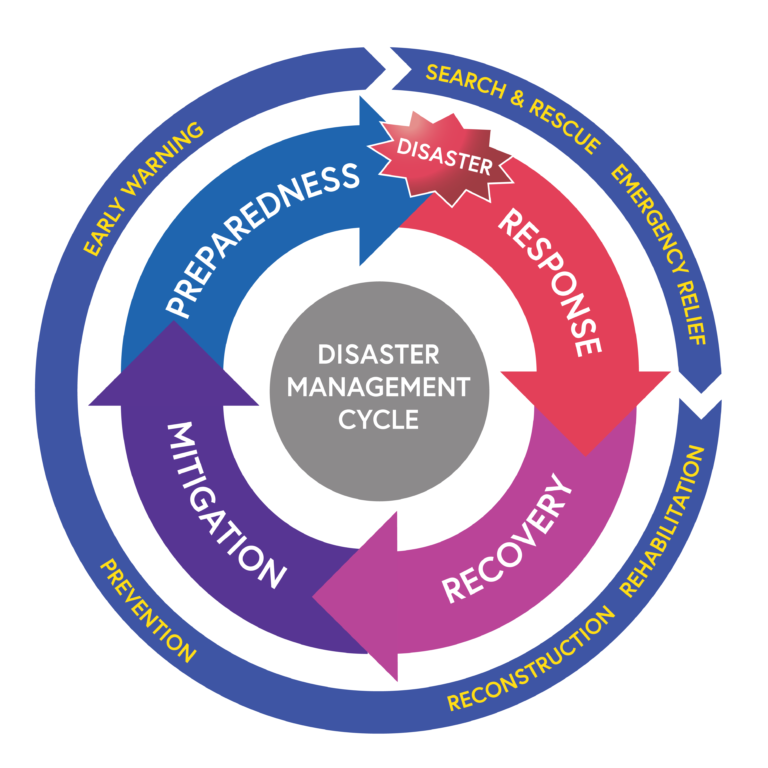 (Source: UNDRR) |
Disasters: Mauritius concern | ||
The Republic of Mauritius is vulnerable to a variety of natural and human-induced hazards, including tropical cyclones, intermittent droughts, sea level rise, and maritime incidents such as oil spills. Despite significant socio-economic progress and investments in reducing vulnerabilities and enhancing resilience, the risk of major disaster events causing extensive damage remains high. Development has also led to the accumulation of valuable infrastructure and properties that are expensive to repair when damaged. The geographic isolation of the Republic and the dispersion of its islands pose additional challenges to disaster management efforts. Tropical cyclones, heavy rains, and floods are frequent threats, while fires and various technological hazards like gas and oil spills or accidents involving aircraft and boats represent over 10% of all hazard events. Furthermore, large-scale disasters from neighboring regions, such as tsunamis from the Indian Ocean or global pandemics, could also significantly impact the nation. Due to Mauritius's small geographic and population size, the repercussions of these events are national in scope. Historical records covering 60 years reveal that approximately 98% of the population affected by disasters has been impacted by tropical cyclones, according to the Disaster Management & Climate Change Handbook, June 2024.
| Reported Disaster Events 1960-2018 (Total Events: 2,892) 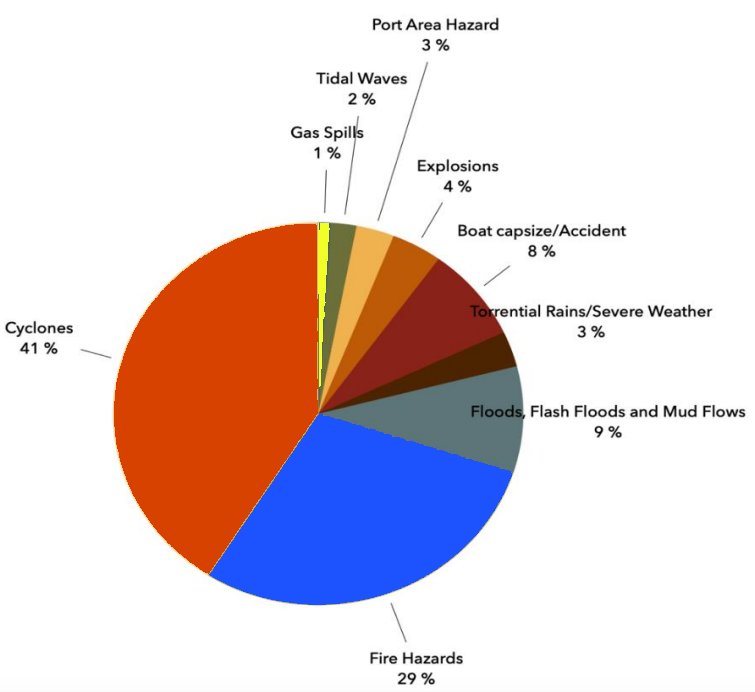 | |
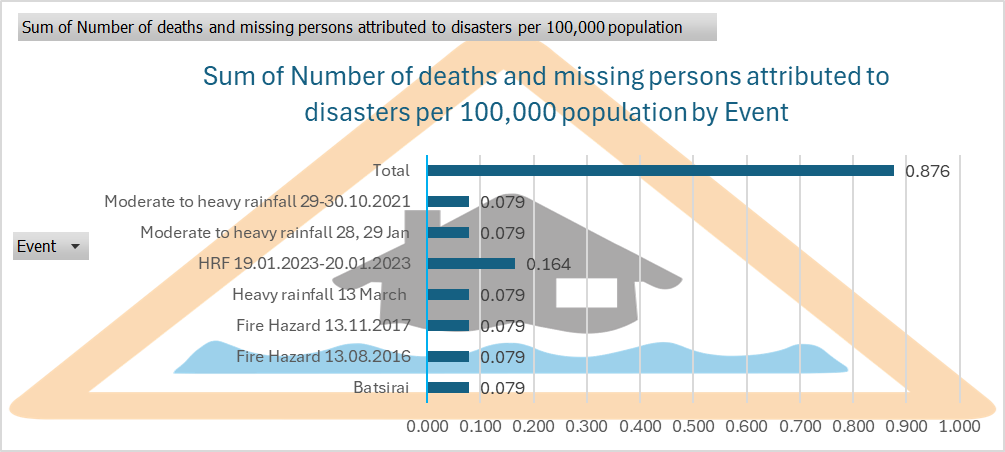
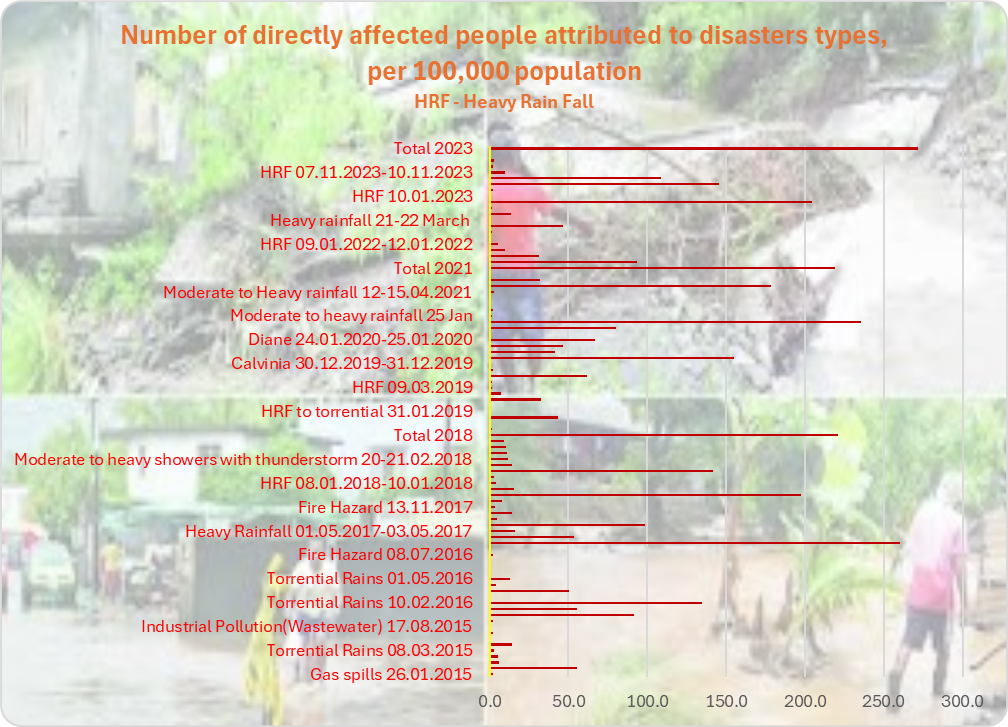
Disaster Risk Reduction Strategic Framework and Action Plan | ||
In line with the Hyogo Framework for Action (HFA) 2005-2015 and the Sendai Framework for Disaster Risk Reduction (2015 – 2030), a Strategy and Action Plan for Disaster Risk Reduction, mainstreaming the likely effects of climate change was prepared under the AP. The 2013 DRR Strategic Framework and Action Plan takes into consideration the substantial area of RoM, which is exposed to inland flooding, coastal inundation and landslides. It includes a comprehensive legal, policy, and strategic framework that aligns with the Sendai Framework. These efforts have established a solid foundation for incorporating disaster risk reduction and management across all sectors. The National Disaster Risk Reduction and Management Policy, Strategic Framework, and Action Plan (NDRRMPSFAP) 2020-2030, formulated in collaboration with the Capacity for Disaster Reduction Initiative (CADRI Partnership) and finalized in January 2021, provides a detailed roadmap for disaster risk reduction activities over the next decade. | The NDRRMPSFAP 2020-2030 outlines 189 actions under four strategic objectives, as follows:
| |
| The Sendai Framework | ||
The Sendai Framework for Disaster Risk Reduction 2015-2030, adopted at the Third UN World Conference in Sendai, Japan, in March 2015, serves as the successor to the Hyogo Framework for Action (HFA) 2005-2015. Developed through extensive consultations and inter-governmental negotiations led by the United Nations Office for Disaster Risk Reduction, the framework represents a shift from disaster management to disaster risk management. It introduces seven global targets focused on preventing new risks, reducing existing risks, and enhancing resilience. The framework also expands the scope of disaster risk reduction to cover natural and man-made hazards, as well as environmental, technological, and biological risks, while emphasizing health resilience, governance, accountability, preparedness, and the mobilization of risk-sensitive investment. The Sendai Framework underscores the importance of understanding the multifaceted dimensions of disaster risk and recognizes the roles of various stakeholders in disaster risk reduction. It emphasizes international cooperation and calls for stronger governance structures and accountability mechanisms to enhance preparedness and resilience. The framework also highlights the role of the Global Platform for Disaster Risk Reduction and regional platforms in providing coherence, monitoring progress, and supporting periodic reviews by UN governance bodies. Overall, the Sendai Framework aims to create a comprehensive, all-encompassing approach to managing disaster risks and enhancing resilience globally. The Sendai Framework for Disaster Risk Reduction 2015-2030 is a global strategy to reduce disaster risk and enhance resilience by 2030. Seven Global Targets are set to substantially reduce disaster risks and losses, prevent new risks, and build resilience. Four Priorities for Action:
This emphasizes a comprehensive approach, addressing natural, human-made, and environmental risks, and promotes an inclusive, all-of-society involvement.
The Sendai Framework operates a database and data platform for query, analysis and other operations and visualisations for country profiles and data. This can be accessed here. | ||
Disaster Risk Reduction and Management in Mauritius | ||
The need for a comprehensive, multi-hazard approach to disaster management in Mauritius has been underscored by historical incidents and potential future threats. The catastrophic flash flood in Port Louis in 2013, which claimed 11 lives, prompted the Government of Mauritius to recognize the urgent need for a permanent disaster management structure. This led to the establishment of the National Disaster Risk Reduction and Management Centre (NDRRMC) in October 2013, under the Prime Minister’s Office. The NDRRMC has since adopted an integrated approach to disaster risk management, covering prevention, preparedness, response, and recovery. The NDRRMC caters for the disaster risk reduction and disaster management aspects of both natural and human-caused hazards. The NDRRMC acts as the main institution in Mauritius for coordinating and monitoring the implementation of disaster risk reduction and management activities as per the National Strategic Framework and National Plan. As per World Risk Report 2024, Mauritius is now ranked 104th (from 193 countries) as most at risk to disasters. | 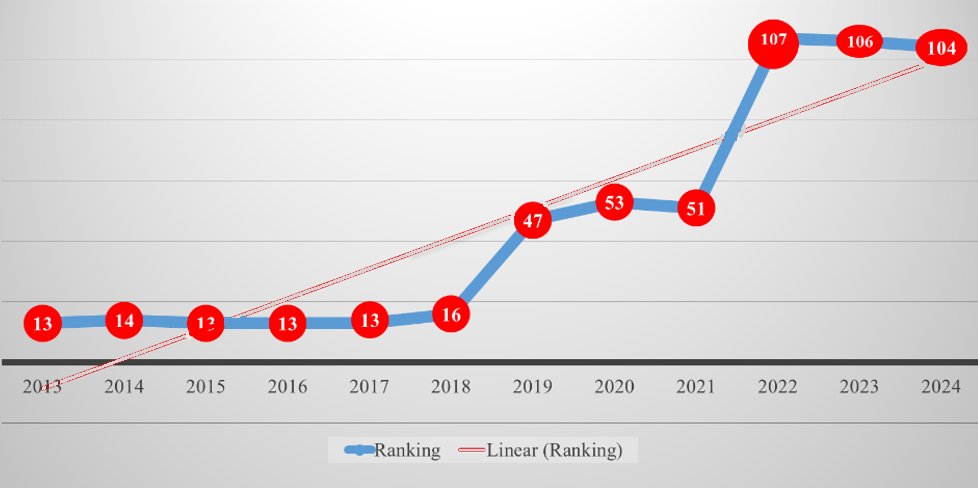 | |
DRRM-related Legal Frameworks | ||
The National Disaster Risk Reduction and Management Act 2016 (NDRRM Act 2016) provides the legal mandate for coordination at the executive level and the establishment of the institutional framework for disaster management. The National Disaster Risk Reduction and Management Act provides for a legal framework to the National Disaster Risk Reduction and Management Centre (NDRRMC) for:
Enhancing disaster resilience, preventing climate and disaster-related risks, and protecting those left furthest behind are essential strategies that would prevent derailing progress towards achieving the SDGs. The National Disaster Risk Reduction and Management Act also provides for the setting up of a National Disaster Risk Reduction and Management Council, which will lay down national guidelines and oversee the implementation of the Management Policy, Management Plan and Strategic Framework related to National Disaster Risk Reduction. The NDRRMC has been set up with the following additional structures: o a National Disaster Risk Reduction and Management Council that would oversee disaster management activities in Mauritius and the outer islands; o a Local Disaster Risk Reduction and Management Committee in the Municipal City Council, the Municipal Town Councils and the District Councils to manage disaster risk reduction in the respective localities; o a Rodrigues Disaster Risk Reduction and Management Committee to assist in the preparedness, response, rehabilitation and recovery operations before, during and after the occurrence of a disaster or an emergency in Rodrigues; and o a Rodrigues Disaster Risk Reduction and Management Centre which would be responsible for the planning, coordinating and monitoring of disaster risk reduction and management activities in Rodrigues.
Key elements of the legislative framework for disaster risk reduction in the Republic of Mauritius • Animal Diseases Act (1925) • Rivers and Canals (Amendment) Act (1868) | As per the MMS Act 2019 , MMS is the sole official authority responsible for monitoring the general weather and climate conditions, including extreme weather events, throughout Mauritius and for providing weather forecasts, warnings and advisories for the welfare and safety of the general public and for the protection and safety of maritime and aeronautical navigation. The Republic of Mauritius is the first Small Island Developing State (SIDS) in the Indian Ocean with its own Early-Warning System for improving preparedness and resilience. The Building Control Act (2012) sets fundamental requirements for buildings, encompassing safety specifications and the responsibilities of developers and design teams to secure permits. It also establishes the Building Control Advisory Council, tasked with advising on permits and policy formulation. The Act includes provisions for the elderly, disabled, and gender-specific needs. However, the building code lacks specific provisions for addressing risks related to floods, landslides, or earthquakes. The Land Drainage Authority (LDA) Act of 2017 charges the LDA with crafting and executing a comprehensive land drainage master plan. Central to this role is the coordination of drainage infrastructure construction and collaboration with local authorities, the National Development Unit, the Road Development Authority, and other key stakeholders. The LDA is also tasked with routine and periodic updates and maintenance of drainage systems. The Local Government Act (2011) assigns specific disaster risk reduction responsibilities to local authorities, whether municipal or district councils. These responsibilities include issuing building and land use permits (BLUP), enforcing building codes, managing waste, and constructing and maintaining drainage systems. For example, the Act empowers a Municipal City Council, Municipal Town Council, or District Council to authorize the construction of drainage systems on private land where storm-water accumulation poses a flood risk. The Local Government (Amendment) Act of 2018 tackles issues related to illegal construction and development by granting additional powers to local authorities. It introduces stricter penalties for unauthorized construction and development activities and empowers district courts to issue demolition orders for such constructions, thereby strengthening enforcement measures. The Climate Change Act of 2020 (No. 11/2020) establishes Mauritius’ primary legislative framework for addressing climate change. It delineates the responsibilities of the Inter-Ministerial Council on Climate Change, tasked with setting national objectives to transition Mauritius towards being a climate-resilient and low-emission country. Additionally, the Climate Change Committee is assigned the roles of coordination and providing recommendations. The Climate Change Act supports the coordination of disaster risk reduction measures to ensure Mauritius effectively addresses the impacts of disasters. In line with this, the Mauritius CADRI Report and the National Disaster Risk Reduction and Management (NDRRM) Policy, Strategic Framework, and Action Plan have been developed, aligning with the Sendai Framework 2020-2030, the Sustainable Development Goals (SDGs), and the Paris Agreement. The 'Cyclone and Other Natural Disasters Scheme', previously published annually, has been replaced by the National Disaster Scheme (2015) following Cabinet approval. This document now serves as the main reference for stakeholders, agencies, and individuals at the national level, aiding in the preparation for and response to natural disasters. It is designed to help users quickly understand and perform their roles during emergencies. The Policy and Planning Guidances (PPG) under the Planning Development Act (2004) form a crucial part of the legal framework for disaster risk reduction (DRR). These guidances include provisions for risk analysis and risk assessment across various domains: the PPG on Land Use Design Guidance (2004, revised 2006), the PPG on Hotels and Integrated Resort Development (2011), and the PPG on Development on Sloping Sites and Landslide Hazard Areas (2016). The National Development Strategy, which provides the National Planning Framework of Mauritius includes Disaster Risk Reduction (DRR) considerations. The National Disaster Risk Reduction and Management (NDRRM) Policy, Strategic Framework, and Action Plan 2020-2030 now call for all sectors to embed DRR in their policies and operational activities. The National Migration Policy and Action Plan (2018), led by the Prime Minister’s Office and guided by an inter-ministerial Migration & Development Steering Committee, underscores the importance of establishing and maintaining governance and management structures for sustainable tourism and human settlements. This initiative aligns with the SIDS Accelerated Modalities of Action (SAMOA) Pathways and calls for an integrated approach that combines expertise in tourism, environment, health, disaster risk reduction, culture, land and housing, transportation, security and immigration, and planning and development. It emphasizes fostering meaningful partnerships across public and private sectors and local communities." | |
Implementation Progress | ||
Mauritius has significantly advanced in disaster preparedness and response through the implementation of various strategic measures:
| ||
Implementation Challenges - Refer to this Document | ||