
This page provides a detailed overview of energy consumption and efficiency trends in Mauritius, highlighting ongoing efforts and future plans to enhance energy use across various sectors.
Consumption PatternsMauritius depends on imported fossil fuels, primarily oil and coal, to meet much of its energy needs. These fuels power the transport sector and thermal power plants, which also generate electricity from renewables such as biomass, wind, solar, and landfill gases (LFGs). In this context, LFGs are treated as renewables because they are continuously produced from waste decomposition. Energy consumption is distributed across different sectors—residential, commercial, and industrial—with each exhibiting distinct characteristics and drivers.
| |
| |
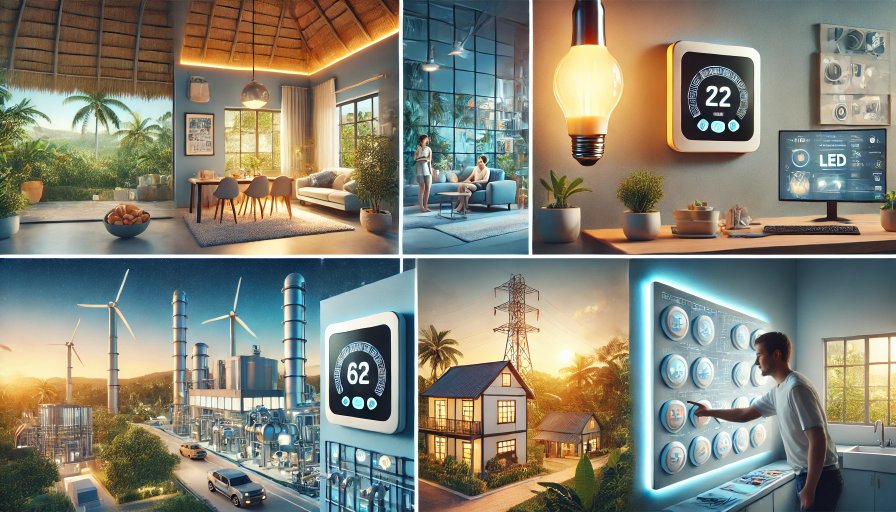
Efficiency Programmes and TechnologiesMauritius has implemented several initiatives aimed at improving energy efficiency across all sectors. Significant investments have been made in smart grid technologies that optimize electricity distribution and reduce wastage. Residential and commercial buildings are increasingly adopting energy-saving appliances certified by energy-efficient standards. In the industrial sector, there has been a push towards process optimizations and the adoption of technologies that reduce energy consumption per unit of output.
| 
|
Public EngagementThe government, in collaboration with various stakeholders, has launched educational campaigns aimed at raising awareness about the importance of energy conservation. These campaigns use a mix of online platforms, public workshops, and school programs to educate the public on simple energy-saving measures. Incentives such as rebates on energy-efficient appliances and lower tariffs during off-peak hours are also provided to encourage energy-saving behaviors among consumers.
| |
Future DirectionsMauritius is committed to further reducing energy consumption through more advanced efficiency measures. Upcoming projects include the expansion of smart grid applications and the introduction of more stringent energy standards for appliances and building codes. These efforts are expected to help Mauritius achieve its goal of reducing energy consumption by 10% in the next five years. | |