
Indoor air quality is a significant environmental influencer of health and well-being. As we continue to spend much of our time indoors, the necessity for effective management of indoor air quality becomes more critical. Awareness, proper ventilation, regular maintenance of HVAC systems, use of non-toxic building materials and cleaning products, and adherence to established IAQ guidelines can significantly improve indoor air environments.
Indoor air quality (IAQ) in Mauritius pertains to the quality of air within buildings and surrounding environments, focusing on its impact on the health and comfort of the people inside. Given that Mauritians spend much of their time indoors, whether at home, work, or in public spaces, ensuring clean indoor air is crucial to prevent health issues associated with pollution. The quality of indoor air in Mauritius is a significant concern that requires coordinated efforts from individuals, communities, and government authorities. By understanding the sources and effects of indoor pollutants and implementing robust monitoring and regulation, Mauritius can ensure safer indoor environments for all its inhabitants. In Mauritius, the indoor air quality (IAQ) and workplace ventilation are regulated and enforced by the Occupational Safety and Health Division of the Ministry of Labour, Human Resource Development and Training.
Understanding Indoor Air QualityIndoor air quality is determined by the presence and levels of various pollutants in the air inside buildings. Common pollutants include microbial contaminants like mold and bacteria, chemical substances such as carbon monoxide and radon, allergens, or any mass or energy stressor that can induce adverse health conditions.. These pollutants can originate from a variety of sources and significantly impact health if not properly managed. Causes of Poor Indoor Air QualityPoor indoor air quality can result from inadequate ventilation, where there is insufficient intake of fresh air to dilute emissions from indoor sources and carry indoor air pollutants out of the area. High temperature and humidity levels can also increase concentrations of some pollutants. Major sources of indoor air pollution include:
|  Health Implications for MauritiansExposure to poor indoor air quality can lead to a range of symptoms such as headaches, dizziness, fatigue, and irritation of the eyes, nose, and throat. Prolonged exposure poses serious health risks including respiratory diseases, heart disease, and even cancer, making it a critical public health issue. |
Regulations and Standards
There are various standards and guidelines set by organizations to regulate indoor air quality. For instance, the United States Environmental Protection Agency (EPA) and the Occupational Safety and Health Administration (OSHA) have guidelines and standards that provide exposure limits to various indoor air pollutants. The World Health Organization (WHO) also provides guidelines that serve international reference points. Mauritius, along with guidance from such international bodies, adheres to various standards and guidelines to regulate IAQ. These standards are designed to limit exposure to harmful indoor air pollutants and ensure the health and safety of the population.
Monitoring Indoor Air Quality
To manage IAQ effectively, various monitoring techniques are employed:
Sensor technology for continuous tracking of air quality.
Air sampling methods, both short-term and long-term, to assess pollutant levels.
Regular inspections of ventilation and building systems to ensure they are functioning properly and not contributing to indoor pollution.
Types of Indoor Air Pollutants
Indoor air pollutants in Mauritius can be categorized into:
Physical Pollutants: Dust, pollen, and smoke particles.
Chemical Pollutants: Substances like VOCs, carbon monoxide, and radon.
Biological Pollutants: Molds, bacteria, viruses, and other allergens.
Local Context and IAQ
In Mauritius, the approach to IAQ considers the unique environmental, social, and health needs of its residents. Efforts to improve IAQ not only focus on reducing harmful pollutants but also on promoting environments that support overall well-being.
Mitigation Measures
see also Environmental Health
Mitigation measures for improving air quality (both outdoor and indoor) typically involve a combination of strategies aimed at reducing the emission of pollutants and enhancing the cleanliness of the air.
Key measures include:
- Source Control: Eliminate or reduce the sources of pollution through the use of cleaner fuels, stricter emission standards for vehicles and industries, and banning or restricting harmful chemicals.
- Energy Efficiency: Promote energy-efficient practices and technologies in homes, offices, and industries to reduce emissions from power generation.
- Urban Planning: Design cities to minimize air pollution through green zoning, promoting public transport, cycling, and walking over personal vehicle use, and integrating green spaces that absorb pollutants.
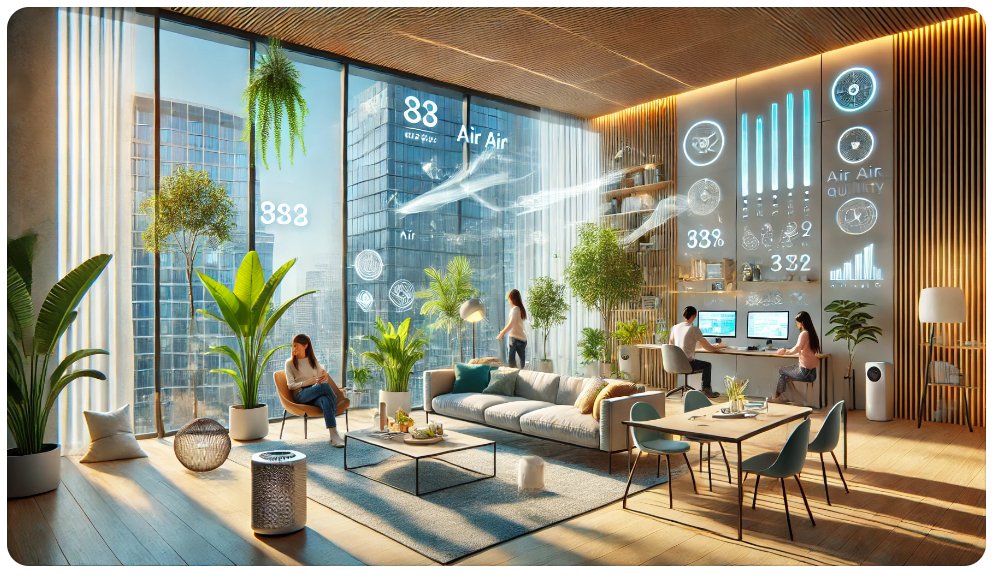
- Air Purification: Utilize air purifiers and increase indoor plants to remove contaminants from indoor environments.
- Legislative Actions: Enforce laws and regulations that limit emissions from major polluters, including industrial plants and motor vehicles, and monitor compliance.