
Food-borne & Food related Diseases


 Overview of Food-Borne Diseases in Mauritius

Public Health Challenges

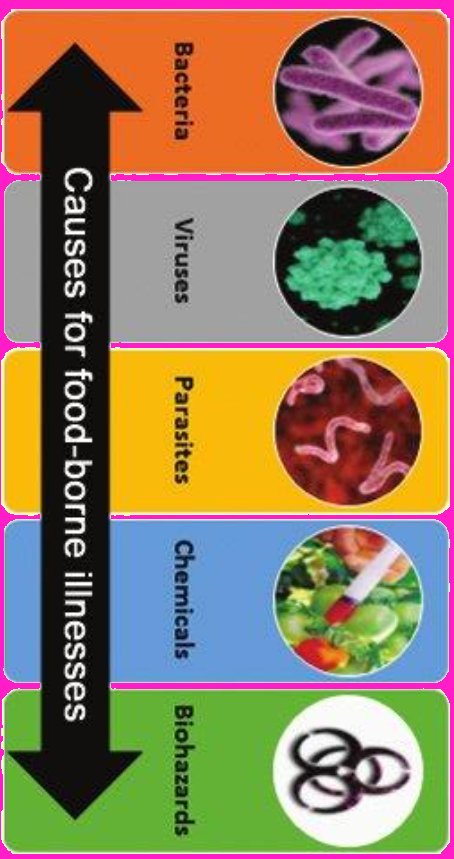
Food-borne diseases represent a significant public health issue in Mauritius, affecting individuals of all ages and backgrounds. These diseases result from the ingestion of food or beverages contaminated with harmful pathogens such as bacteria, viruses, or parasites. Contamination can occur at multiple stages, including production, processing, distribution, and preparation, making it a complex challenge to manage.

Economic and Tourism Impact

The impact of food-borne diseases is not limited to health alone but extends to economic consequences, particularly affecting the tourism sector—a crucial component of Mauritius's economy. Tourists may be particularly vulnerable to food-borne diseases due to exposure to new cuisines and different food handling practices. The prevalence of these diseases can deter tourists, impacting the reputation of Mauritius as a safe travel destination.

Environmental Contributions to Risk

Environmental factors in Mauritius, such as its tropical climate, can also contribute to the prevalence of these diseases. High temperatures and humidity are ideal conditions for the growth and proliferation of many pathogens, thereby increasing the risk of food spoilage and contamination. Seasonal variations influence the rate of food-borne infections, with a higher incidence typically observed during the warmer months when bacteria grow more rapidly.

Globalization and Food Safety

The food supply chain in Mauritius is diverse, involving local production and international imports, which introduces multiple points where contamination can occur. The globalization of food trade means that food-borne pathogens can easily cross national boundaries, necessitating stringent controls on food imports and exports.

Regulatory and Preventive Measures

Mauritian authorities are tasked with continuously updating and enforcing food safety regulations to keep pace with these challenges. This involves not only managing local food production practices but also overseeing the safety of imported foods. Public awareness and education about safe food handling practices are crucial for preventing food-borne diseases and ensuring that both residents and visitors can enjoy the local cuisine without health risks.


Environmental factors in Mauritius, such as its tropical climate, can also contribute to the prevalence of these diseases. High temperatures and humidity are ideal conditions for the growth and proliferation of many pathogens, thereby increasing the risk of food spoilage and contamination. 


Status of Environmental Health in terms of Food-borne Diseases

Continual efforts are made in Mauritius to improve food safety and prevent foodborne illnesses.

The implementation of comprehensive regulations, regular inspections, food safety training, surveillance systems, and consumer education contribute to maintaining a high level of environmental health in relation to foodborne illnesses in the country.


The status of environmental health in Mauritius with regard to foodborne illnesses and their prevention can be described as follows:

1. Regulatory Framework: Mauritius has established a robust regulatory framework to ensure food safety. The Food Act of 2022, the Food Regulations of 2022 and the Food Standards Agency Act 2022 set standards and guidelines for food processing, transportation, storage, and handling. The Ministry of Health and Wellness, in collaboration with the Food Safety Authority, oversees the implementation and enforcement of these regulations.

2. Inspections and Monitoring: Regular inspections of food establishments, including restaurants, hotels, and food processing facilities, are carried out to assess their compliance with food safety standards. These inspections help identify potential risks and ensure that proper food handling practices are followed. Monitoring is also conducted to detect any outbreaks of foodborne illnesses and initiate timely intervention.

3. Food Safety Training: Efforts are made to enhance the knowledge and skills of food handlers in Mauritius. Training programs and workshops are conducted to educate food industry workers about proper hygiene, safe food handling practices, and the prevention of cross-contamination. This helps minimize the risk of foodborne illnesses caused by mishandling of food.

4. Hazard Analysis and Critical Control Points (HACCP): Implementation of the HACCP system is encouraged in various food establishments in Mauritius. This internationally recognized system identifies potential hazards in the food production process and establishes critical control points to ensure the prevention, reduction, or elimination of those hazards. HACCP helps ensure that foodborne illness risks are systematically managed and controlled.

5. Surveillance and Outbreak Response: Surveillance systems are in place to monitor and identify foodborne illness outbreaks in Mauritius. When outbreaks occur, prompt investigation, including laboratory testing, is conducted to identify the source of contamination and take appropriate measures to prevent further spread. This involves collaboration between the Ministry of Health and Wellness, the Food Safety Authority, and other relevant agencies.

6. Consumer Education: Mauritius promotes consumer education and awareness about safe food practices. Information campaigns, public service announcements, and educational materials are used to educate the public on proper food handling, storage, and preparation. This empowers consumers to make informed choices and take necessary precautions to prevent foodborne illnesses.

7. Food Import Controls: Mauritius implements strict controls on imported food items to ensure their safety. Inspections are carried out at ports of entry to verify compliance with import regulations and standards. This helps prevent the introduction of contaminated or unsafe food products into the country.

8. Collaboration and International Standards: Mauritius actively participates in regional and international networks related to food safety. It collaborates with organizations such as the World Health Organization (WHO) and the World Trade Organization (WTO) to strengthen its food safety systems and align them with international standards.


The Role of Environmental Factors in Food Safety

In Mauritius, environmental factors play a significant role in the prevalence and spread of food-borne diseases. The island's tropical climate, seasonal variations, and geographical characteristics influence the conditions that promote the growth of pathogens in food. Understanding these environmental factors is crucial for implementing effective preventive measures and safeguarding public health.
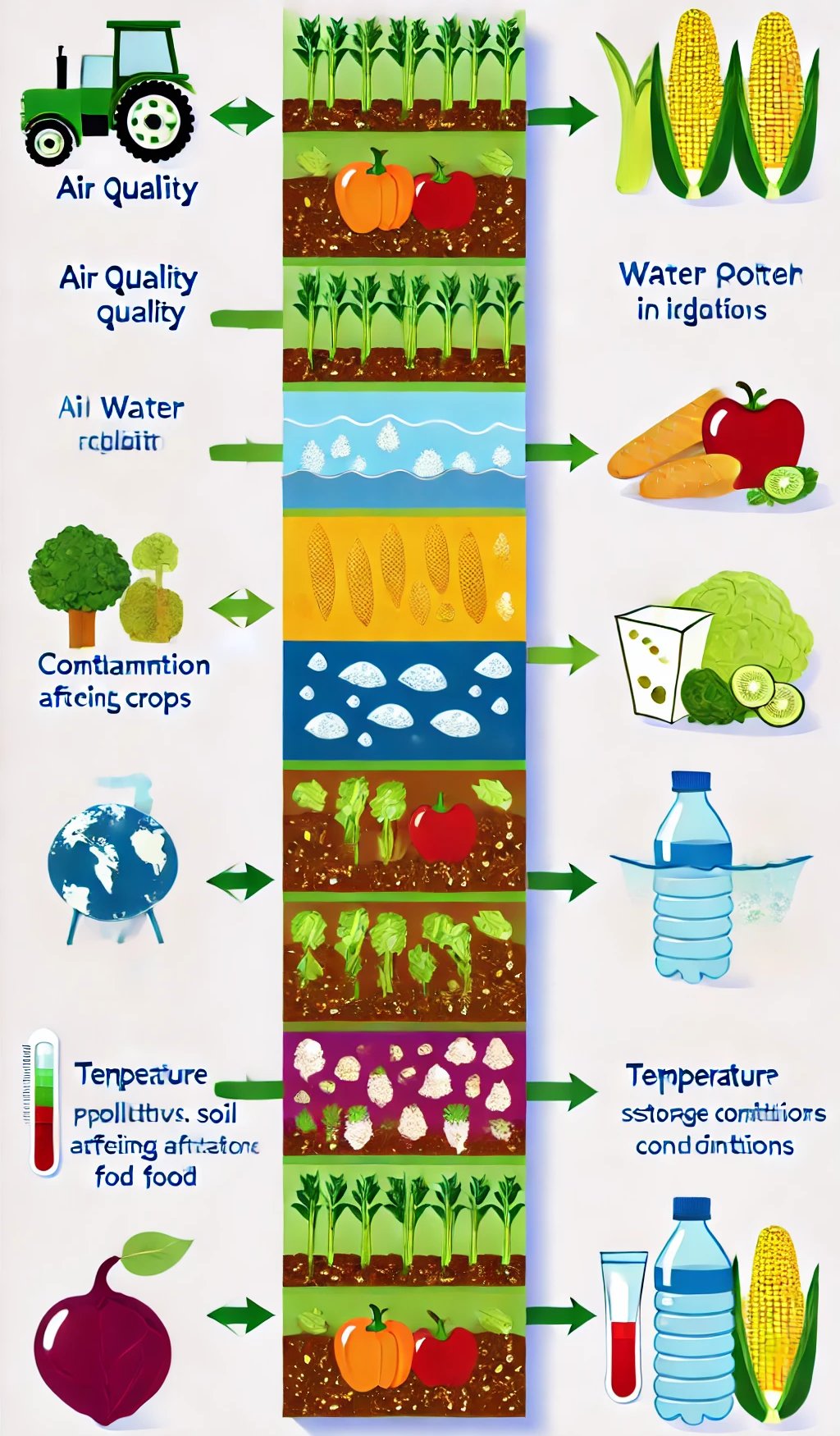
 

The interaction between environmental factors and food-borne diseases in Mauritius is complex and multifaceted. Addressing these issues requires a comprehensive approach - see below.  t

Key Environmental Factors Influencing Food-Borne Diseases

1. Climate Conditions

  • Temperature and Humidity: Mauritius’s warm temperatures and high humidity levels create ideal conditions for the rapid growth of bacteria and other microorganisms. Foods, particularly those left unrefrigerated, can quickly become breeding grounds for pathogens.
  • Seasonal Variations: The risk of food-borne diseases tends to increase during the warmer months when temperatures are consistently high. Additionally, the rainy season can exacerbate conditions as increased moisture further promotes bacterial growth.

2. Water Supply and Quality

  • Water Contamination: Contaminated water sources can lead to the spread of food-borne pathogens. During periods of heavy rainfall, especially in cyclone-prone seasons, water systems may become contaminated with agricultural runoff, sewage, and other pollutants, posing a risk not only to drinking water but also to irrigation water used in agriculture.
  • Water Management: Inadequate water treatment facilities and infrastructure can also contribute to the problem, especially in rural or underserved areas where access to clean water is limited.

3. Agricultural Practices

  • Use of Contaminated Water: Using contaminated water for irrigation can introduce pathogens to crops right from the field. Crops such as fruits and vegetables consumed raw are particularly vulnerable.
  • Pesticides and Chemicals: The misuse or excessive use of pesticides and fertilizers can also impact the microbiological quality of food products, indirectly influencing the incidence of food-borne illnesses.

4. Waste Management

  • Disposal and Sanitation: Poor waste management practices can lead to environmental contamination, affecting both soil and water quality. Open dumps and inadequate disposal of human and animal waste can be sources of food-borne pathogens that eventually make their way into the food supply chain.

5. Environmental Changes and Natural Disasters

  • Impact of Natural Disasters: Natural disasters such as cyclones and floods can disrupt the food supply chain, damage infrastructure, and increase the risk of food contamination through the introduction of pathogens into new areas.
  • Climate Change: Ongoing climate change may alter weather patterns, potentially leading to increased temperatures and more frequent and severe weather events, further complicating the management of food safety.
 

Common Food-Borne Pathogens

Managing these pathogens requires a comprehensive approach that includes public health education, regulatory enforcement on food safety standards, and cooperation between food suppliers and consumers. Awareness and education about these common food-borne pathogens are vital to reducing the incidence of food-borne diseases in Mauritius, safeguarding both public health and the tourism industry.
 

1. Salmonella

  • Source and Transmission: Salmonella bacteria are commonly found in raw poultry, eggs, beef, and sometimes in unpasteurized milk or juice. They can also contaminate vegetables and fruits through contact with animal feces. Human infection typically occurs through the consumption of raw or undercooked contaminated food, or via cross-contamination where cooked food comes into contact with surfaces that held raw food.
  • Symptoms and Treatment: Symptoms of Salmonella infection include diarrhea, fever, abdominal cramps, and vomiting, usually appearing 6 hours to 6 days after ingestion and lasting 4 to 7 days. Most people recover without specific treatment, but severe cases may require hydration and antibiotics.

2. Campylobacter

  • Source and Transmission: This bacterium is most commonly associated with raw or undercooked poultry. It can also be found in unpasteurized milk and contaminated water. Campylobacteriosis, the disease caused by these bacteria, is often the result of eating contaminated food or drinking contaminated water.
  • Symptoms and Treatment: Symptoms include diarrhea (often bloody), fever, and abdominal cramps, appearing two to five days after exposure and can last about a week. Like Salmonella, treatment generally involves hydration, but severe cases might need antibiotic treatment.

3. Escherichia coli (E. coli)

  • Source and Transmission: Certain strains of E. coli are pathogenic and can cause illness. Transmission occurs through the consumption of contaminated water or food, particularly raw vegetables and undercooked ground beef. Improperly cooked meat and raw milk are common sources.
  • Symptoms and Treatment: Symptoms include severe stomach cramps, diarrhea (often bloody), and vomiting. Most people recover within 5 to 7 days, but some infections can be severe and warrant antibiotic treatment and hospitalization, especially in cases of E. coli O157, which can cause a severe complication like hemolytic uremic syndrome (HUS).

4. Listeria

  • Source and Transmission: Listeria monocytogenes can be found in unpasteurized dairy products, ready-to-eat deli meats, and smoked seafood. The bacteria can thrive even in refrigerated temperatures, which makes controlling its spread challenging.
  • Symptoms and Treatment: Listeria can cause listeriosis, a serious infection that primarily affects pregnant women, newborns, the elderly, and adults with weakened immune systems. Symptoms include fever, muscle aches, and sometimes nausea or diarrhea. If the infection spreads to the nervous system, symptoms such as headache, stiff neck, confusion, loss of balance, or convulsions can occur. Listeriosis is treatable with antibiotics, but early diagnosis is critical for effective treatment.
 

Challenges in Managing Food-Borne Diseases in Mauritius

Addressing the challenges of managing food-borne diseases in Mauritius requires a multi-dimensional approach that includes strengthening infrastructure, enhancing public education, improving regulatory frameworks, and embracing technological advancements. Collaborative efforts across government, industry, and community levels are essential to effectively mitigate these risks and protect public health. 

1. Infrastructure Limitations

  • Rural and Remote Areas: Infrastructure in rural and remote areas often lags behind that in urban centers. Limited access to adequate refrigeration, clean water, and proper sanitation facilities can significantly increase the risk of food contamination and subsequent food-borne illnesses.
  • Waste Management: Inadequate waste disposal systems can lead to environmental contamination, affecting both water sources and agricultural land, which in turn can contaminate food products.

2. Climate and Environmental Factors

  • Tropical Climate: Mauritius's warm and humid climate is conducive to the rapid growth of bacteria and other pathogens in food. Managing food safety becomes more challenging during the hotter months when the risk of food spoilage is highest.
  • Extreme Weather Events: Cyclones and floods can disrupt the food supply chain, damage infrastructure, and create conditions ripe for the spread of food-borne diseases due to the displacement of populations and the potential contamination of water supplies.

3. Economic and Resource Constraints

  • Resource Allocation: Limited resources can restrict the ability of health and food safety agencies to conduct thorough inspections, enforce regulations, and carry out public health campaigns.
  • Tourism Dependency: The economy's significant reliance on tourism can complicate food safety management. Catering to a diverse array of dietary preferences and practices can increase the risk of food safety incidents, impacting the sector’s reputation and economic performance.

4. Public Awareness and Behavior

  • Knowledge Gaps: There may be significant gaps in the general public’s understanding of food safety, including the best practices for handling and preparing food safely. This lack of awareness can lead to practices that increase the risk of food-borne illnesses.
  • Cultural Practices: Traditional food preparation and preservation methods may not always align with safe food handling practices, thereby increasing the risk of contamination.

5. Regulatory and Enforcement Challenges

  • Compliance Issues: Ensuring that all food operators—from small street vendors to large food processors—comply with food safety standards is a continuous challenge. Small-scale operators, in particular, may lack the knowledge or resources to implement necessary safety measures.
  • Inconsistent Enforcement: Enforcement of food safety regulations can be inconsistent, with some areas receiving less frequent inspections and oversight due to staffing or logistical issues.

6. Globalization of Food Supply

  • Imported Food Risks: As Mauritius imports a significant portion of its food, controlling the quality and safety of these imports is crucial. However, monitoring the vast array of imported products for compliance with local safety standards is complex and resource-intensive.
  • Supply Chain Complexity: The complexity of global food supply chains can make traceability and accountability challenging, complicating efforts to quickly address and manage food safety issues when they arise.

7. Technological and Innovation Gaps

  • Adoption of Technology: While technology can greatly enhance food safety management through better tracking and diagnostics, the adoption of such technologies in Mauritius is often hindered by high costs and a lack of technical expertise.
  • Research and Development: Limited local research and development in the field of food safety can impede the creation of tailored solutions that address the unique challenges faced by Mauritius.
 

Preventive Measures

The prevention of food-borne diseases in Mauritius relies on a robust and proactive approach that encompasses regulatory oversight, public education, infrastructure improvements, and the adoption of new technologies. By strengthening these areas, Mauritius can better protect its citizens and visitors from the risks associated with food-borne pathogens, thereby supporting public health and maintaining the integrity of its tourism industry.


Preventing food-borne diseases requires a multi-faceted approach that involves the combined efforts of government agencies, food industry stakeholders, and the general public. Here are some expanded preventive measures to mitigate the risk of food-borne illnesses in Mauritius:

1. Regulatory Enforcement and Compliance

  • Inspections and Audits: Regular and rigorous inspections of food establishments, including restaurants, markets, and processing facilities, ensure compliance with national food safety standards.
  • Certification and Training: Mandatory food safety training and certification for all food handlers can improve handling practices and reduce the incidence of contamination.
  • Legislation and Policies: Strengthening food safety legislation, and ensuring these laws are up to date with international standards, helps in managing risks associated with food-borne pathogens.

2. Public Health Education and Awareness

  • Awareness Campaigns: Launching public awareness campaigns to educate consumers about the risks of food-borne diseases and the importance of safe food handling practices.
  • School Programs: Integrating food safety education into school curricula to instill good hygiene practices from a young age.
  • Community Workshops: Conducting workshops in community centers that focus on specific practices such as safe cooking temperatures, the importance of washing hands, and the correct storage of food.

3. Infrastructure Improvements

  • Safe Water Supply: Ensuring a safe and clean water supply for all communities, as contaminated water is a common source of food-borne pathogens.
  • Proper Waste Disposal: Developing and maintaining proper waste disposal systems to prevent contamination of food and water sources.
  • Refrigeration Facilities: Expanding access to adequate refrigeration facilities in markets and homes to keep perishable goods at safe temperatures.

4. Technological Innovations

  • Tracking and Traceability: Implementing advanced tracking and traceability technologies in the food supply chain to quickly identify and isolate contaminated food sources.
  • Rapid Testing Kits: Utilizing rapid microbial testing kits in food processing and retail establishments to detect pathogens before products reach consumers.
  • Mobile Apps: Developing mobile applications that provide real-time information on food recalls, safety alerts, and proper food handling tips.

5. Personal Hygiene and Safe Food Practices

  • Hand Washing: Encouraging frequent and proper hand washing with soap and water before handling food, after using the bathroom, and after touching raw food.
  • Cross-Contamination Prevention: Using separate cutting boards, utensils, and containers for raw and cooked foods to prevent cross-contamination.
  • Proper Cooking and Storage: Cooking food to the right temperature to kill harmful bacteria and storing food at safe temperatures to prevent bacterial growth.

6. Collaboration and Partnership

  • Stakeholder Engagement: Engaging food industry stakeholders, including farmers, manufacturers, and retailers, to collaborate on improving food safety.
  • International Cooperation: Collaborating with international food safety organizations to adopt best practices and improve food safety standards in Mauritius.


CHECKLIST  for safe food shopping, storage, and preparation

Shopping

  • Choose Fresh: Look for fruits and vegetables that are free from bruises or signs of mold. Freshness ensures the food is in its best condition.
  • Check Expiry Dates: Always inspect the expiration dates on packaged and perishable goods to ensure you're buying the freshest products available.
  • Separate Raw and Cooked: Use separate bags for raw meat, poultry, and seafood to prevent their juices from contaminating your other groceries.

Storage

  • Refrigerate Promptly: Perishable items, prepared dishes, and leftovers should be refrigerated or frozen within two hours of purchase or preparation to prevent bacterial growth.
  • Keep It Cool: Monitor the temperature of your refrigerator and freezer, keeping the fridge at or below 40°F (4°C) and the freezer at 0°F (-18°C) for optimal food safety.
  • Use Containers: Employ clean, sealed containers for food storage to avoid contamination and to keep foods fresh longer.

Preparation

  • Wash Hands and Surfaces: Prioritize cleanliness by washing your hands, cutting boards, utensils, and countertops with hot soapy water before and after handling food, particularly raw meats.
  • Cook Thoroughly: Ensure that foods are cooked to the right temperature to kill any harmful bacteria present. Using a food thermometer can help verify that meats have reached a safe internal temperature.
  • Avoid Cross-Contamination: Dedicate separate cutting boards and knives for raw meats and another set for fruits and vegetables to prevent cross-contamination during meal preparation.