
Leptospirosis
Leptospirosis, commonly known as "leptospirose" in Mauritius, is a bacterial disease that poses significant health risks to both humans and animals. This zoonotic disease is caused by bacteria of the genus Leptospira. In Mauritius, leptospirosis is of concern due to the island's tropical climate, which can create ideal conditions for the bacteria to thrive. | ||
Key Points About Leptospirosis in Mauritius:Transmission and Risk FactorsLeptospirosis is not considered a vector-borne disease in the traditional sense, as it does not typically involve transmission via an insect vector like mosquitoes or ticks. Instead, leptospirosis is primarily a waterborne or direct contact disease. It is caused by bacteria from the genus Leptospira, which are spread through the urine of infected animals, particularly rodents. Transmission to humans usually occurs through contact with water, soil, or food contaminated with the urine of these infected animals. This can happen through:
While direct vector transmission isn't a factor with leptospirosis, the disease is still significantly influenced by environmental conditions that facilitate the survival and spread of the bacteria in water or moist soil. The risk of transmission increases during the rainy season when flooding and standing water can help spread the bacteria. Activities such as swimming, wading in water, and agricultural work can expose individuals to contaminated water. Symptoms of LeptospirosisThe disease can range from a mild, flu-like illness to severe and possibly life-threatening conditions. Symptoms typically appear after a 5-14 day incubation period and can include high fever, severe headache, muscle aches, vomiting, jaundice, red eyes, abdominal pain, diarrhea, and rash. Incidence and Public Health ResponseLeptospirosis is considered an endemic disease in Mauritius, with several cases reported annually. Outbreaks are more likely to occur in conditions of poor sanitation, close contact with animals, and after natural disasters such as cyclones and floods. Prevention and Control MeasuresPublic health measures include controlling rodent populations, promoting good hygiene practices, and educating the public about the risks of contaminated water. TreatmentEarly diagnosis and treatment are crucial for effective management of leptospirosis. Antibiotics such as doxycycline or penicillin, administered early in the course of the disease, can reduce the severity and duration of the illness. ChallengesThe main challenges in controlling leptospirosis in Mauritius include urbanization that leads to increased human-animal contact, climatic changes increasing rainfall and humidity, and public awareness about the disease's transmission and prevention. | Leptospirosis is primarily transmitted through contact with water or soil contaminated with the urine of infected animals, particularly rodents, which are prevalent carriers. 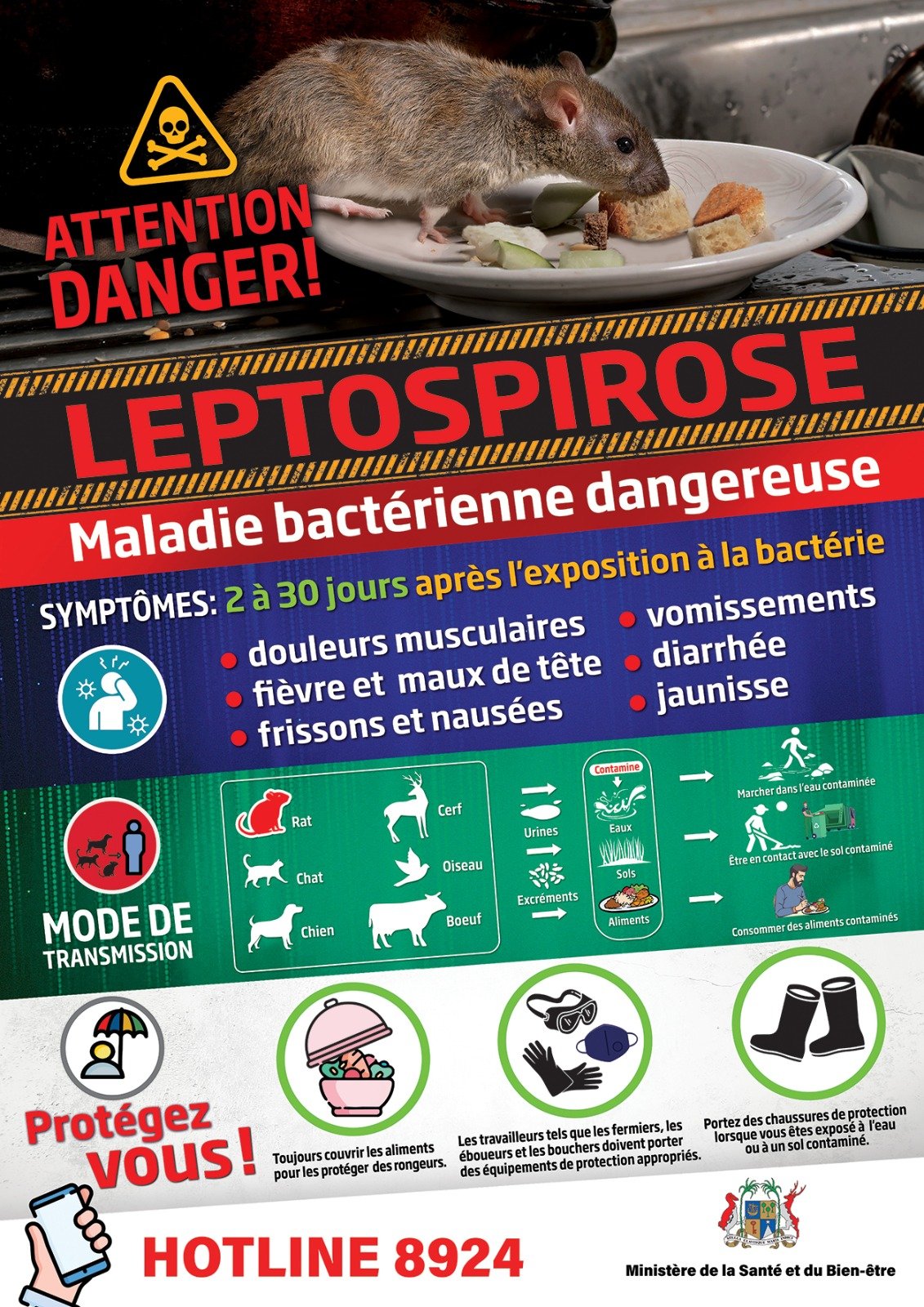 The most recent outbreaks of leptospirosis in Mauritius occurred in 2024. As of the beginning of the year, there were significant increases in reported cases. By April 2024, there were 20 reported cases, with five of these cases occurring in that month alone. This surge in cases prompted warnings from the Ministry of Health and Wellness, urging the public to take heightened precautions to prevent further spread of the disease. The ongoing efforts by health authorities in Mauritius to combat leptospirosis involve a combination of surveillance, public education, and medical intervention to effectively reduce the incidence and impact of this potentially severe disease. | |