
The sugarcane industry has long been a cornerstone of Mauritius's economic history, shaping its landscape and contributing significantly to national development. For more than three centuries, sugarcane cultivation has been intertwined with the identity and economic prosperity of the island, making the industry a symbol of resilience, adaptability, and growth.
The Sugarcane Industry in Mauritius | ||
Historical Roots of the Sugarcane IndustrySugarcane cultivation in Mauritius dates back to the colonial era when the French and later the British established plantations. The island's favourable climate, rich volcanic soil, and strategic location in the Indian Ocean created optimal conditions for sugarcane cultivation. Over time, Mauritius became one of the world's leading sugar exporters. | ||
Socio-Economic ContributionsThe sugarcane industry has played a crucial role in shaping the socio-economic fabric of Mauritius. It has provided employment to a significant portion of the population and contributed substantially to export earnings, generating foreign exchange and supporting economic growth. Despite its declining share in the national economy, the sector remains a key pillar of Mauritius’s agricultural landscape. Challenges and TransformationsThe industry has undergone significant transformations to adapt to shifting global market dynamics. Historically, sugar was Mauritius's primary export commodity, but challenges such as fluctuating global sugar prices, changing trade policies, and diversification efforts have reshaped the sector. The 2006 European Union (EU) Sugar Regime reform, which reduced guaranteed preferential access and prices, led to a 36% decline in sugar prices, triggering a major transformation. Modernisation and DiversificationIn response, the Government of Mauritius has implemented strategies to modernise the industry. Productivity enhancement, sustainable agricultural practices, and value-added product development are key focus areas. The industry has evolved into a diversified cluster, maximizing the use of sugarcane by-products such as bio-energy, ethanol, and specialty sugars. While diversification into high-value crops is being promoted, it is intended as a complementary measure rather than a replacement for sugarcane cultivation. Technological Advancements and Renewable EnergyScientific innovations have improved crop yields, refined production processes, and reduced environmental impacts. A major development has been the use of sugarcane by-products for renewable energy generation. Bagasse and cane trash (sugar cane residue) are used for electricity production, with co-generation contributing significantly to national energy needs. Over the last ten years, subject to the vagaries of nature, bagasse-based electricity accounts for approximately 13 – 17% of the country’s power supply, demonstrating the industry's role in sustainable energy production. Fair Trade Certification and Small PlantersMauritius has already adopted fair trade certification, benefiting small and medium sugarcane planters. This initiative enhances market access and ensures sustainable farming practices. Future strategies focus on expanding these certifications to further improve industry sustainability and socio-economic benefits. Adapting to Market RealitiesWhile no longer as dominant as it once was, the sugarcane industry remains an integral part of Mauritius’s economy, facing challenges and requiring continuous adaptation to evolving market dynamics. Sugar production has seen a declining trend, prompting shifts in cultivation practices. Sugarcane is grown on a mix of large commercial estates and small farms, sustaining livelihoods across the sector. Although its share in export revenue has diminished over time, sugar remains an important commodity for Mauritius. The industry has had to respond to global trade changes, with support from public, private, and civil society institutions. The sector includes a range of stakeholders, including planters, millers, refineries, independent power producers, and distilleries, working together to navigate the industry's evolving landscape. Future Outlook and SustainabilityDespite diversification efforts, the sugarcane industry remains a vital part of Mauritius's agricultural sector, providing employment, supporting rural communities, and preserving cultural traditions. Moving forward, industry stakeholders are focused on enhancing sustainability through improved resource management, climate resilience strategies, and exploring new opportunities in biofuels and sustainable packaging. These measures aim to ensure the long-term viability of the Mauritian sugarcane industry while minimizing environmental impacts. | 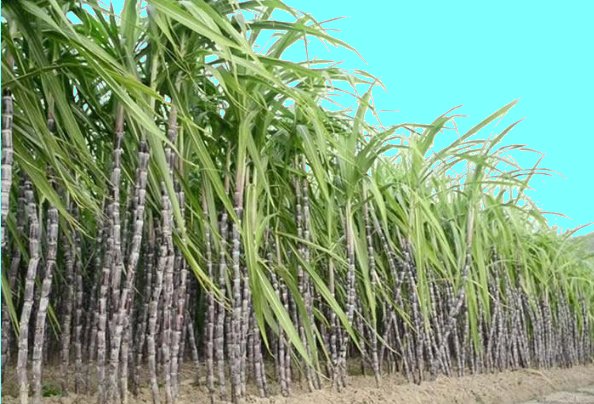  The Mauritius Cane Industry Authority (MCIA) plays a central role in regulating, supporting, and modernising the sugarcane sector in Mauritius, ensuring its sustainability through research, development, and collaboration with stakeholders across the value chain. | |
Enduring Legacy and AdaptationThe sugarcane industry of Mauritius exemplifies adaptability and resilience, evolving through economic and environmental challenges. While no longer the dominant force in the economy, it continues to contribute significantly through diversification, technological innovation, and sustainability-driven initiatives. The ongoing modernisation efforts highlight Mauritius's commitment to a balanced approach between economic growth and environmental stewardship. | ||
Sugarcane Statistics |
This graph tracks the area harvested for sugarcane over several decades categorized into three groups: Estates, Metayer (tenant farmers), and Owner, alongside the total harvested area. All categories, as well as the total area harvested, show a downward trend over the given period. This suggests a significant reduction in sugarcane farming activities across all types of ownership. The total area harvested shows a steady decline from about 80,000 hectares in 1975 to now below 36,000 hectares. This overall trend underscores the same challenges and changes hinted at in the individual categories—possibly including economic shifts, alternative land uses, environmental concerns, or market dynamics affecting sugarcane's viability. The sustained reduction in harvested area across all categories could have significant implications for the local economy. It might also reflect broader agricultural or economic trends, such as diversification of crops, shifts towards more sustainable or profitable crops, or repercussions from global market changes. |
Mauritius Chamber of Agriculture sugar and non-sugar sector page
Mauritius Chamber of Agriculture sugar statistics page