
The aim is to promote informal environmental education to change attitudes and behaviours of people. The sensitization programmes are aimed at different target groups, namely: children, youth, senior citizens, private sector, NGO’s, public in general and the women community.
There are several projects in Mauritius that focus on the environment and culture:
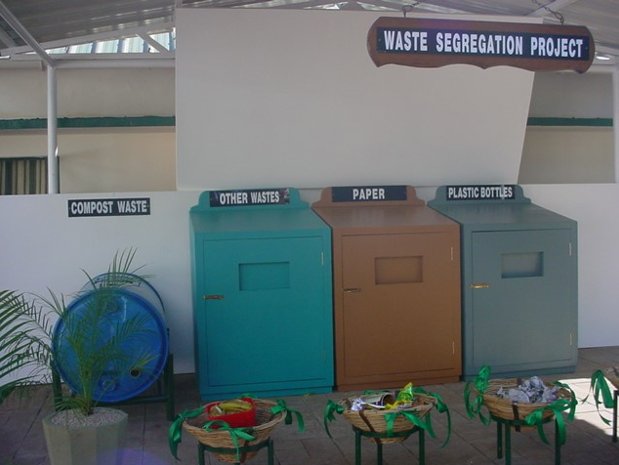
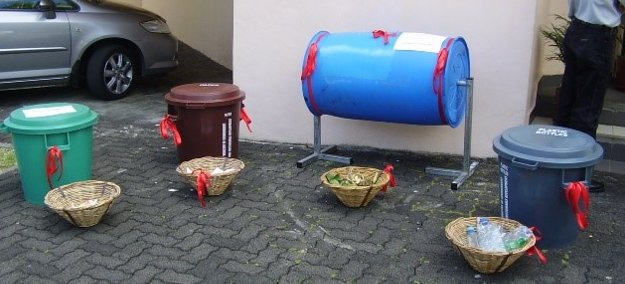
Waste segregation projects in primary schools, secondary schools and tertiary institutionsThe Waste Segregation Project was launched in June 2010 in all primary schools with main objectives to:
The project has been extended to all secondary schools in Mauritius in September 2011, to all schools in Rodrigues in January 2013 and to tertiary institutions in September 2013. Compost bins and waste segregation bins were distributed to all primary and secondary schools in Mauritius to inculcate the concept of sorting of waste at source and promoting the 3R’s principle, i.e. Reduce, Reuse and Recycle amongst our youngsters and children at a tender age. |
  |
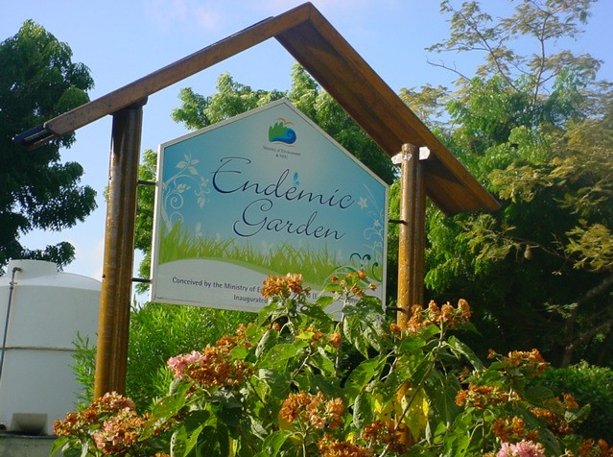
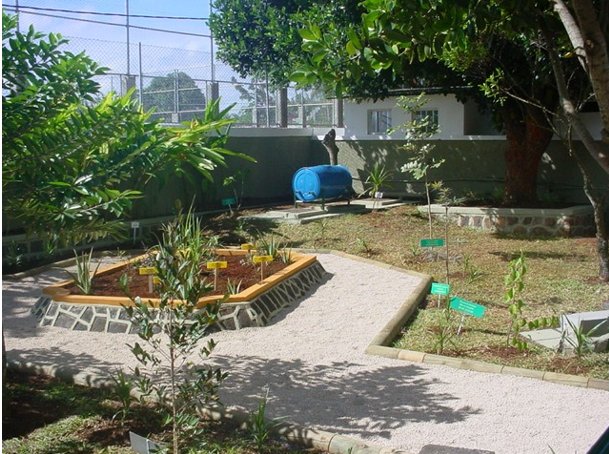
School endemic garden projects in all primary and secondary schoolsTo enhance the knowledge of our younger generation on the importance of biodiversity and to encourage the nurturing of endemic plants amongst the younger generations, the then Ministry of Environment in collaboration with the then Ministry of Education had launched the School Endemic Garden on a national scale, in all primary and secondary schools in 2010. |
  |
Creation of Environment Clubs in SchoolsClubs in schools to promote environmental stewardship among the youth through awareness raising activities, workshops, exhibitions, competitions and appropriate resource materials. |
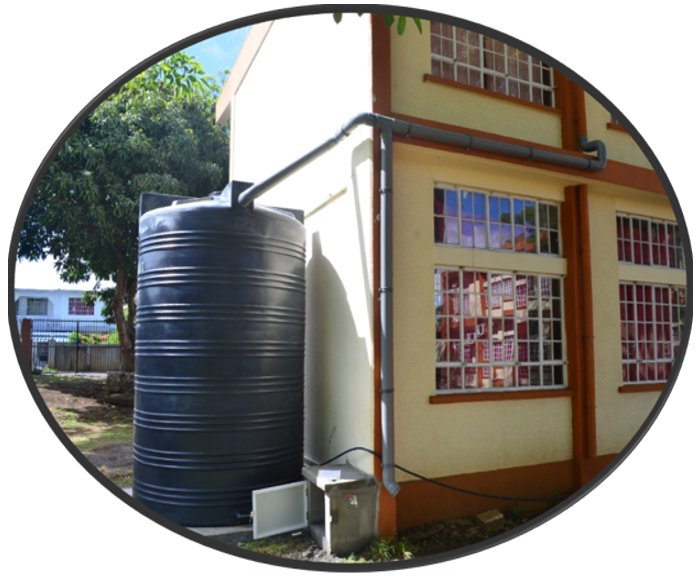
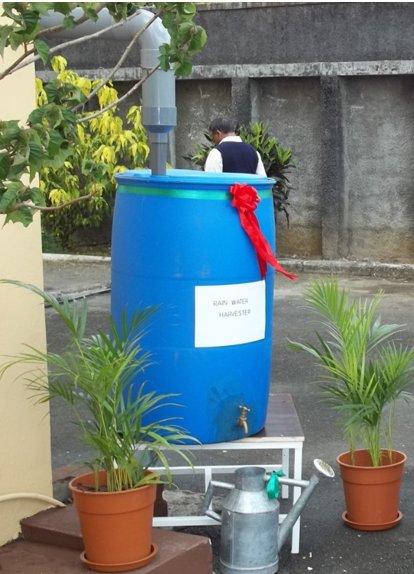
Rainwater harvesting systemsA Rainwater Harvesting Grant Scheme was introduced by Government since 2016, to enhance sustainable lifestyle through change of behaviour and adoption of responsible attitudes towards water consumption. The objectives of the Scheme were to encourage government agencies to use rainwater for non-potable water needs like washing yards, toilet and watering; reduce water bills; and improve public awareness of rainwater harvesting in Mauritius. |
  |
Toolkit on good environmental practicesTraining-of-trainers programmes and distribution of resource materials to the school community, including on climate change, sustainable lifestyles, endemic gardens, tree planting and toolkit on good environmental practices. |
Eco School programmeEco-schools Indian Ocean Programme is operated by the Foundation for Environmental Education (FEE) which is an International Organisation based in Denmark. The Indian Ocean Commission (IOC) joined the FEE through its ISLANDS project in 2014 and introduced Eco-Schools as a regional programme for implementation in Mauritius, Madagascar, the Comoro Islands, Rodrigues, Seychelles and Zanzibar. Eco-School programme provides a regional framework to integrate themes of sustainable development, climate change and disaster risk reduction into national education systems. Objectives: Stakeholders:
|
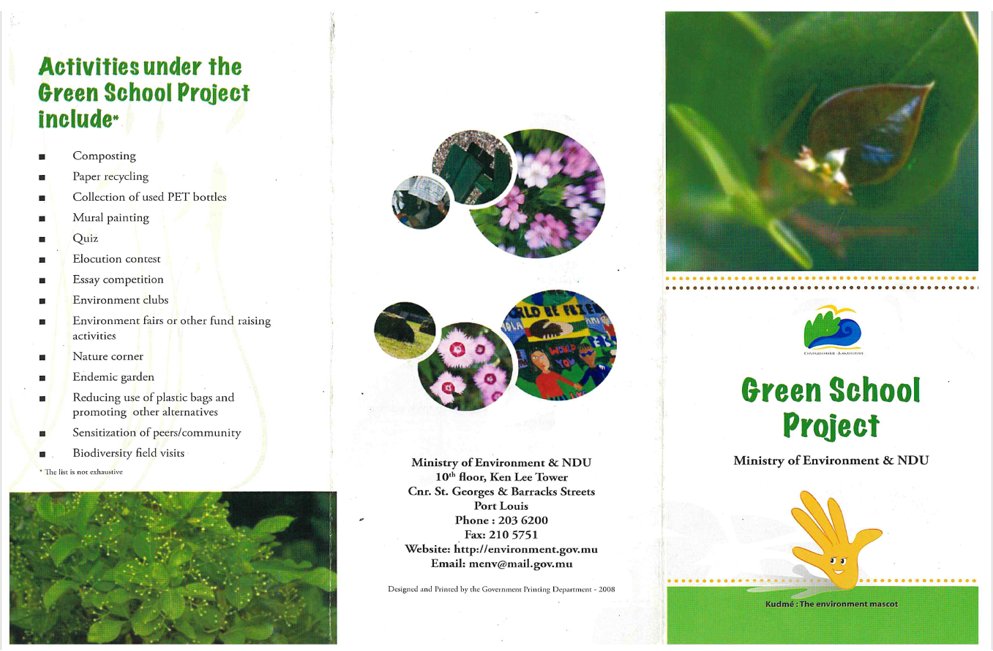
Green School ProjectThe Green School Project is an environmental educational programme that promotes and acknowledges long-term whole school action for environmental protection. It has been designed to promote environmental sustainability and sustainable lifestyle in the school community. It was launched in 2008 and included the following activities; Composting, paper recycling, collection of PET bottles, competitions, sensitization amongst others. |
 |
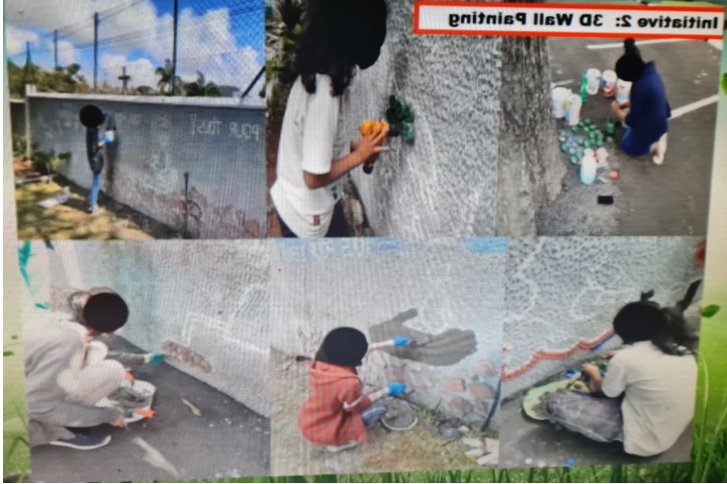
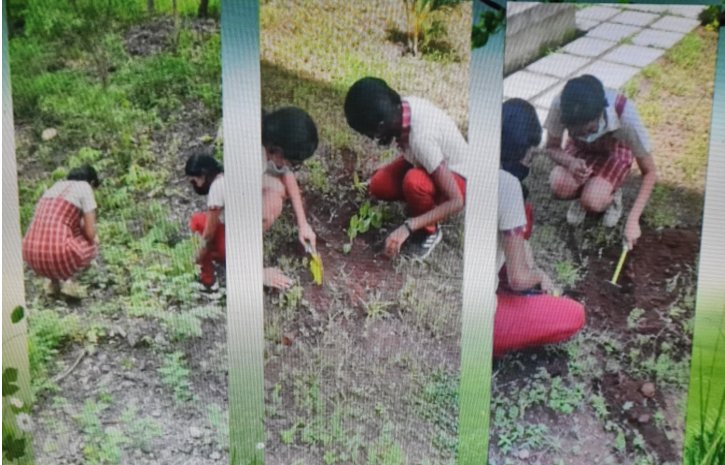
School-led Community-based environmental projectsSchool led Community-based environmental projects (2021-2022) competition for secondary school students was organized to implement environmental initiatives involving local communities. Out of the 56 project proposals received from 4 Educational zones, 25 projects were selected and were provided with seed money of up to Rs 100,000. The environmental initiatives which were implemented included mural painting, recycling, cleaning activities, composting, rainwater harvesting, sensitisation campaigns. A video clip of about 30 minutes had been produced by this Ministry and distributed to secondary schools to showcase these initiatives. |
  |
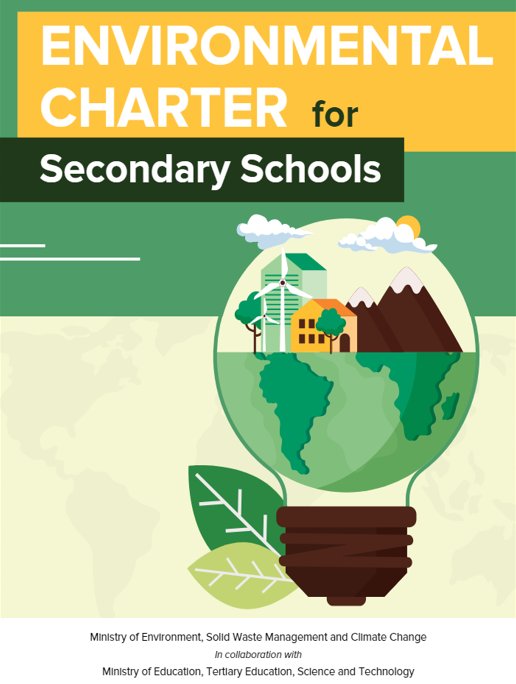
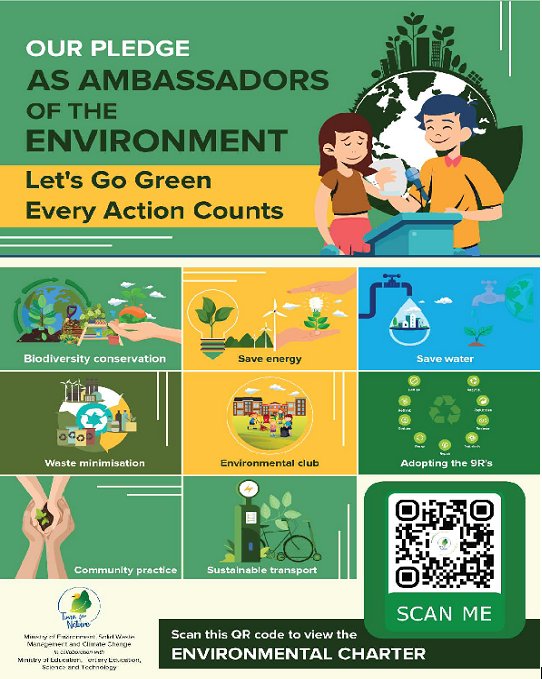
Development of environmental charter for secondary studentsThe world has long acknowledged the need to harness the power of education to meet sustainable development challenges. Young people are considered as ambassadors of change and progress and in line with this Government’s vision to instill a culture of conservation and protection of the environment in our children. As such this Ministry has in collaboration with the Ministry of Education, Tertiary Education, Science and Technology developed and launched an Environmental Charter for Secondary school for the adoption of best environmental practices. The Charter aims at instigating a shift in mindset within school communities, particularly among the youth, by promoting environmental best practices and instilling core environmental values conducive to responsible development and behaviour. The Secondary schools will have to customise the charter at their respective level. |
  |
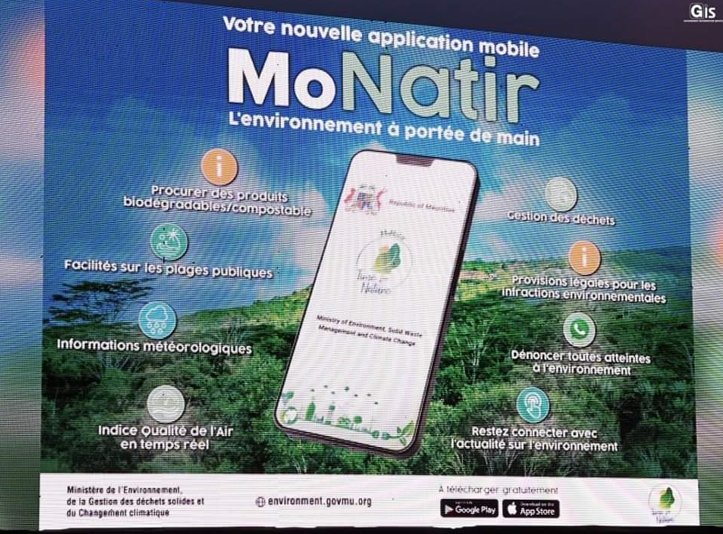
MoNatir - Mobile AppA Mobile application MONATIR was launched during the celebration of the Earth Day on 25 April 2024. The mobile application provides vital and dynamic environmental information to the public to make them aware of the quality of our environment. This information includes: |
  |
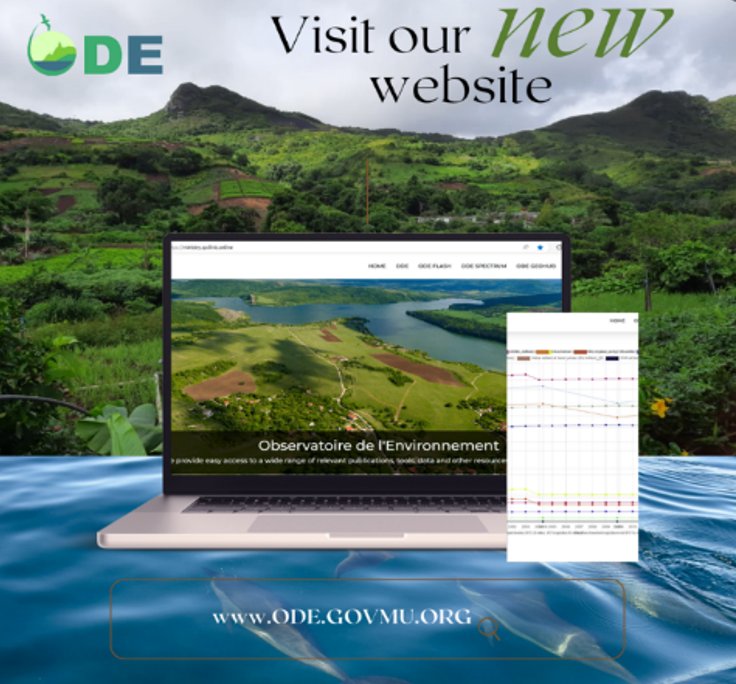
Observatoire de L’EnvironnementThe Ministry has set up an “Observatoire de L’Environnement”. It is a web-based platform that serves for collecting and centralizing environmental data, for environmental monitoring, management and development. It also helps in evaluating the effectiveness of environmental policies and re-orienting our policies to achieve expected outcomes. |
  |
Projects conducted by Le Morne Heritage Trust Fund
Projects by Nelson Mandela Centre for African Culture Trust Fund (NMCAC)
Projects by the Centre de Lecture Publique et d'Animation Culturelle (CELPAC Unit)
- Awareness Campaign in Primary Schools - 2026 by We-Recycle