Rodrigues - Water Resources

The critical water resource issues facing Rodrigues are highlighted. The need for enhanced resource management strategies, updated infrastructure, and comprehensive environmental assessments to ensure sustainable water use and development in the island's unique ecological and climatic context are underscored  Also detailed are the advanced strategies Rodrigues is implementing to manage its water resources efficiently. These initiatives not only aim to ensure adequate water supply across the island but also incorporate innovative technologies and sustainable practices to achieve long-term water security.


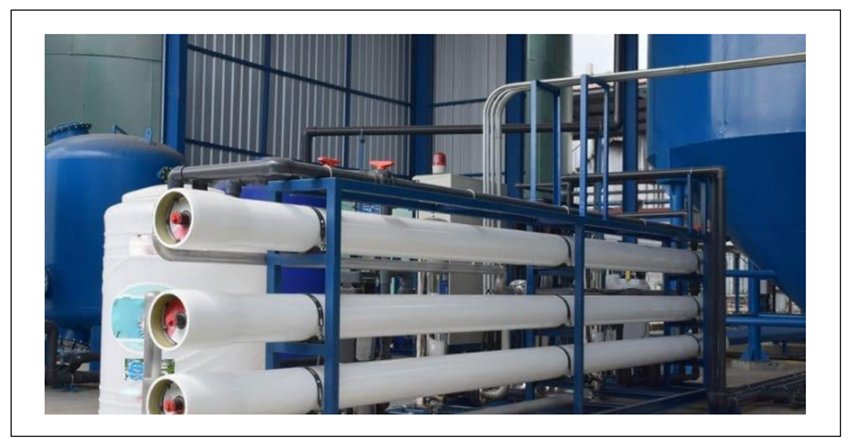
Desalination plant in Rodrigues

Overview of Water Resources in Rodrigues

Climate and Rainfall Patterns: Rodrigues experiences a maritime tropical climate with an average annual rainfall of 1,120 mm. However, unlike Mauritius, Rodrigues has a drier climate, frequently facing droughts that significantly impact agricultural productivity.
River Basins and Water Sources: The island is segmented into 20 major and 10 minor river basins, many of which have dried up over time due to human activities. Only three rivers—Mourouk, Cascade Pigeon, and Cascade Victoire—remain perennial, with most freshwater sources confined to caves and wells.


Challenges in Water Management

Water Scarcity: Rodrigues faces ongoing challenges with water scarcity, exacerbated by decreasing rainfall trends and occasional droughts. These issues have substantial socioeconomic impacts, restricting domestic, agricultural, and industrial activities, and dampening investment opportunities.
Saltwater Intrusion: The island's lack of natural springs and its small size contribute to the vulnerability of its groundwater system to saltwater intrusion, particularly affected by intensive agricultural practices in its three main valleys.
 

Water Distribution and Infrastructure

Inadequate Infrastructure: The existing water distribution system is outdated, inefficient, and unsustainable, contributing to severe constraints in water availability. Water is distributed to households biweekly, varying by region, due to inadequate public storage and distribution systems.
Lack of Sewerage System: Rodrigues primarily relies on septic tanks for sewage disposal, with no comprehensive public sewerage system in place.


Environmental Impact and Sustainability Measures

Sustainable Integrated Development Plan (2009): This plan conducted a comprehensive assessment of water and sanitation services to explore sustainable development options. It highlighted the inefficiencies and costs associated with the current system and its impact on the island’s development.
Environmental Impact Assessments (EIA): Certain infrastructure projects related to water management are exempt from EIAs, raising concerns about their long-term environmental impacts. For instance, the desalination plant, critical for addressing water scarcity, discharges high concentrations of salt directly into a lagoon, posing ecological risks.


Water Resource Management in Rodrigues

Overview of Water Supply System
  • Before 2009, Rodrigues sourced about 60% of its water from boreholes, with the remaining 40% coming from surface water sources and springs.  Since February 2009, Rodrigues has enhanced its water supply by operating three desalination plants that treat brackish borehole water. A larger seawater desalination plant with a capacity of 500 cubic meters per day is now operational, part of an initiative that includes four desalination plants constructed since 2014 to better distribute water to households.
  

Solar Desalination Initiative

  • In 2018, Rodrigues launched a pioneering project in the Indian Ocean, establishing a solar desalination plant that produces 80 cubic meters of fresh drinking water daily for 2,400 residents. This facility also uses a hybrid solar-grid power system to produce an additional 300 cubic meters of drinking water nightly. The project was realized through collaboration with the Indian Ocean Commission (IOC), the European Union (EU), the Agence française de développement (AFD), and the Rodrigues Regional Assembly (RRA).
  

Water Management Enhancements

  • To manage water shortages, the RRA promotes increased community rainwater storage and domestic rainwater harvesting, integrating these systems into new constructions and providing grants and incentives for households to adopt these practices. New large-scale tourist facilities are required to manage their own desalination services, ensuring self-sufficiency and reducing strain on public water resources.
  

Strategic Development Plans

  • In response to ongoing water scarcity challenges, the Government of Mauritius is seeking expertise from India to develop a comprehensive water management plan for Rodrigues. This plan aims to enhance the decentralization of water and sanitation services and bring them up to the standards observed on the main island of Mauritius.  The plan includes technical aid and capacity development initiatives to strengthen local management and distribution systems, ensuring sustainable water provision for all residents.
  
  •