
Mauritius is progressively adopting sustainable energy practices to reduce its carbon footprint and enhance energy security. The following case studies illustrate Mauritius' commitment to enhancing energy efficiency and expanding renewable energy sources, which are crucial steps towards achieving energy sustainability and reducing environmental impacts.
Solar Energy Adoption- Solar Farms:Case Study: "Ciel Group and MCB Solar Power Initiative" Ciel Group has implemented solar power projects across several of its properties, significantly reducing dependence on fossil fuels. These installations not only provide clean energy but also serve as a model for renewable energy adoption in the commercial sector. | |
Solar Energy Adoption: PV RooftopsCase Study: "PV Rooftops" Mauritius has witnessed a significant increase in photovoltaic rooftops across both the public and private sectors. This surge enhances sustainability and reduces reliance on fossil fuels and reduces the electricity bill for PV-equipped households. | |
Solar Energy Adoption: Electric VehiclesCase Study: "Charging for Electric Vehicles" Electric vehicle (EV) adoption in Mauritius is gaining momentum, supported by government incentives and an expanding charging infrastructure, reflecting a national commitment to reduce carbon emissions and promote sustainable transportation solutions. |
|
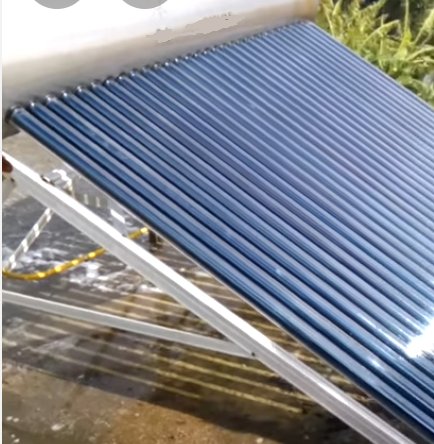
Solar Energy Adoption: Solar Water HeatingCase Study: "solar water heating" Mauritius has experienced a notable rise in solar water heaters among both industries and households. This shift highlights a growing awareness of renewable energy solutions and their benefits. By adopting solar water heating technology, the nation is enhancing energy efficiency, reducing costs, and promoting sustainable practices for a greener future. Link 1 | |
| |
Wind Energy DevelopmentCase Study: "Plaine des Roches Wind Farm" The Quandran Eole Wind Farm represents a major step forward in harnessing wind energy in Mauritius. This contributes significantly to the national grid, providing a renewable source of energy that reduces greenhouse gas emissions and diversifies the energy mix. | |
Waste-to-Energy ProjectsCase Study: "Mare Chicose Landfill Gas to Energy" The Mare Chicose landfill site has been equipped with technology to capture methane gas emitted from waste decomposition and convert it into electricity. This project not only reduces harmful greenhouse gas emissions but also generates sustainable power. | |
Biomass Energy UtilizationCase Study: "Bagasse Co-generation Plants" Several sugar mills in Mauritius use bagasse, a byproduct of sugar production, to generate electricity. This not only utilizes waste material but also contributes a significant amount of renewable energy to the national grid. | |
Clean combustionCase Study: “Compressed Natural Gas (CNG) and Liquefied Natural Gas (LNG) Gas” Compressed Natural Gas (CNG) and Liquefied Natural Gas (LNG) are considered clean because they emit lower levels of harmful pollutants and greenhouse gases compared to traditional fossil fuels. | https://www.youtube.com/watch?v=5DMiXYOd8b0 |
Community-Based Renewable Energy ProjectsCase Study: "Rodrigues Island Wind and Solar Hybrid System" This project on Rodrigues Island combines wind and solar power to provide a stable and sustainable energy supply to the local community, reducing reliance on imported diesel and promoting local energy resilience. | |
Sustainable transport systemsCase Study: “Electric Buses and Light Rail System” Metro Express Light Rail spans 20 stops in densely populated areas, aiming to reduce greenhouse gas emissions and traffic congestion. Moreover, electric buses powered by renewable energy enhance connectivity to reduce GHG emissions by 40% by 2030. Additionally, smart digital applications are developed to help commuters effectively plan their journeys. | |
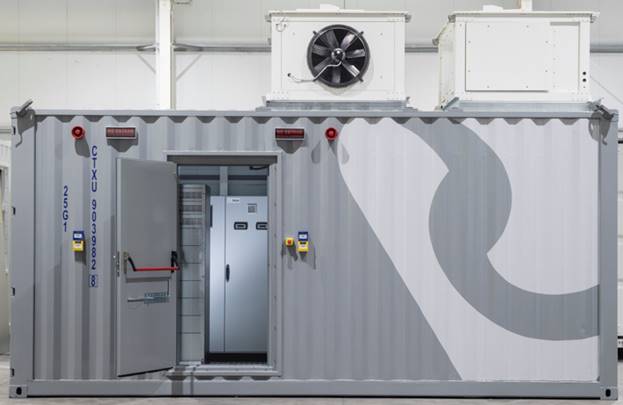
Greener Electricity GridCase Study: “Battery Energy Storage System (BESS)” Battery Energy Storage Systems (BESS) facilitate the integration of intermittent renewable energy sources like solar and wind into the national grid. These systems stabilize frequency and voltage, benefiting homes, schools, hospitals, and industries. By reducing the Grid Emission Factor (GEF) of the CEB grid, the project aligns with cleaner electricity networks. | https://www.youtube.com/shorts/oOUh1fh0vRk (UNDP)
|
Renewable Energy in AgricultureCase Study: "Solar-Powered Poultry Farms in Flacq" Several poultry farms in Flacq have installed solar panels to power ventilation systems and lighting. This reduces their carbon footprint and operational costs, showcasing a successful integration of renewable energy in agribusiness. | |