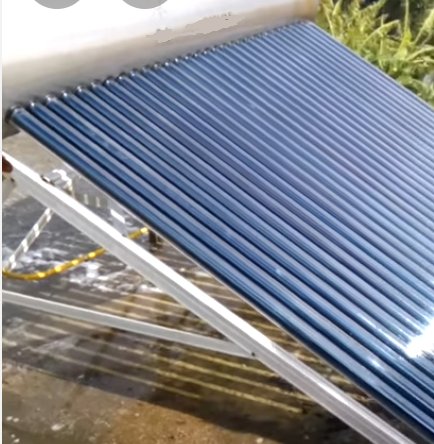

Solar water HeatersMauritius has experienced a notable rise in solar water heaters among both industries and households. This shift highlights a growing awareness of renewable energy solutions and their benefits. By adopting solar water heating technology, the nation is enhancing energy efficiency, reducing costs, and promoting sustainable practices for a greener future. |
|
Public Sector Energy Conservation InitiativesCase Study: "Government Buildings Energy Efficiency Program" The program focuses on reducing energy consumption in public buildings through the installation of LED lighting, solar water heaters, and the implementation of energy management systems, setting an example for energy conservation in the public sector. | |
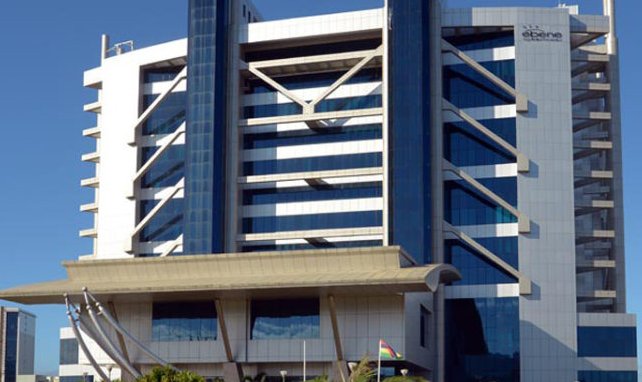
Energy Efficiency in BuildingsCase Study: "Ebene CyberCity Smart Buildings" Buildings in Ebene CyberCity have been designed or retrofitted with energy-saving technologies, including automated lighting systems, energy-efficient air conditioning, and smart meters that help manage and reduce energy consumption. |
|
Energy Efficiency in HarbourCase Study: “Green Initiatives at Port Louis Harbour” The Solar Photo Voltaic (SPV) plant of the Port Louis harbour is a renewable power source that diversifies the energy mix of the port. Studies are likewise conducted to assess cleaner electricity usage for ships to reduce GHG emissions. | |
Sustainable Transport SystemsCase Study: “Electric buses and metro” Metro Express Light Rail spans 20 stops in densely populated areas, aiming to reduce greenhouse gas emissions and traffic congestion. Moreover, electric buses powered by renewable energy enhance connectivity to reduce GHG emissions by 40% by 2030. Additionally, smart digital applications are developed to help commuters effectively plan their journeys. | |
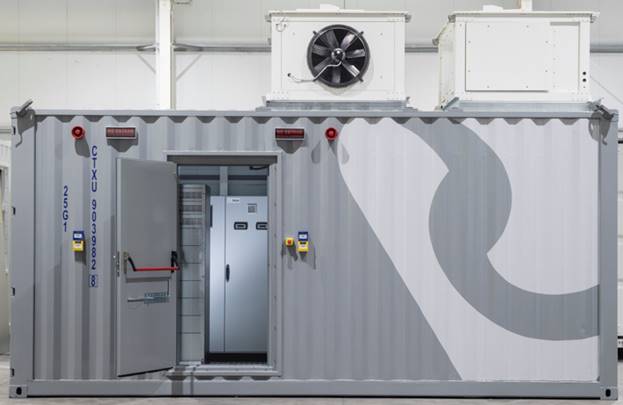
Greener Electricity GridCase Study: “Battery Energy Storage System (BESS)” Battery Energy Storage Systems (BESS) facilitate the integration of intermittent renewable energy sources like solar and wind into the national grid. These systems stabilize frequency and voltage, benefiting homes, schools, hospitals, and industries. By reducing the Grid Emission Factor (GEF) of the CEB grid, the project aligns with cleaner electricity networks. | https://www.youtube.com/shorts/oOUh1fh0vRk
|
Capacity BuildingCase Study: “Workshops on GHG emissions” Mauritius is enhancing its capacity for greenhouse gas mitigation through targeted training programs, development of new technologies, and policy reforms. These efforts aim to bolster national resilience, reduce emissions, and align with international climate commitments. | |
| |