
In the absence of precise data for the country, international organizations often resort to average data, which does not always reflect the reality. This collection of data of the different environmental media and transforming them into meaningful indicators will allow the Republic of Mauritius to better monitor its environmental performance and hence speed up the improvement in the island’s environmental performances. Most of the ones cited below include the Republic of Mauritius. |  |
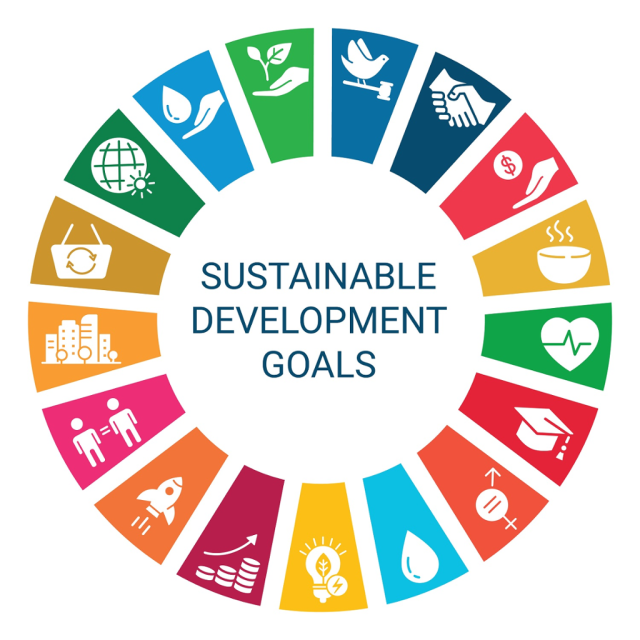 | Sustainable Development Goals (SDGs)The Sustainable Development Goals (SDGs) or Global Goals are a collection of 17 interlinked objectives designed to serve as a "shared blueprint for peace and prosperity for people and the planet, now and into the future. The SDGs emphasize the interconnected environmental, social and economic aspects of sustainable development by putting sustainability at their center.
|
 IQAir is a Swiss air quality technology company, specializing in protection against airborne pollutants, developing air quality monitoring and air cleaning products. IQAir also operates AirVisual, a real-time air quality information platform. Mauritius currently ranks second in the world. |
Climate Change Performance Index (CCPI)The Climate Change Performance Index (CCPI) is an instrument to enable transparency in national and international climate politics. Mauritius is not yet listed. | 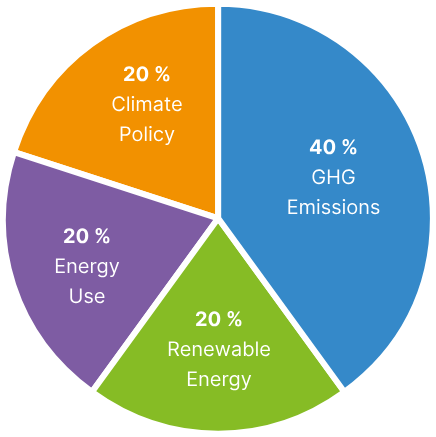 |
. 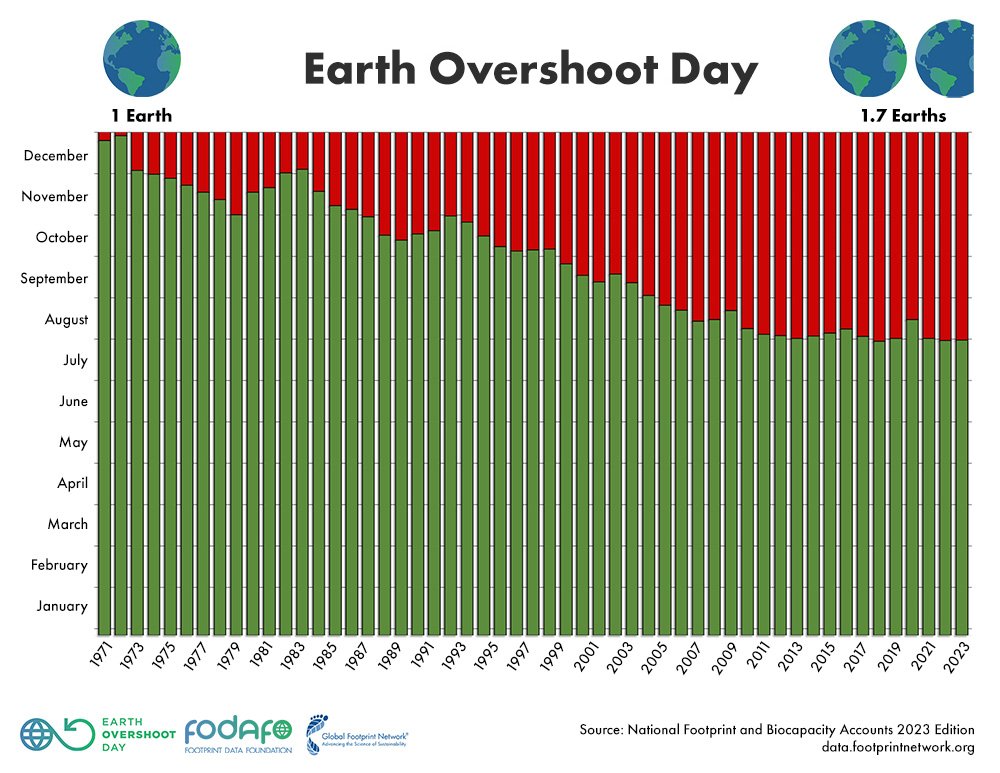 | Earth Overshoot DayEarth Overshoot Day marks the date when humanity’s demand for ecological resources and services in a given year exceeds what Earth can regenerate in that year. To maintain consistency with the latest reported data and science, the Ecological Footprint metrics for all past years since 1961 (the earliest year data is available) are recalculated every year, so each year’s metrics share a common data set and the exact same accounting method. The annual dates of Earth Overshoot Day are recalculated accordingly. In 2023, Earth Overshoot Day lands on August 2. We maintain this deficit by liquidating stocks of ecological resources and accumulating waste, primarily carbon dioxide in the atmosphere. Earth Overshoot Day is hosted and calculated by Global Footprint Network, an international research organization that provides decision-makers with a menu of tools to help the human economy operate within Earth’s ecological limits. Country overshoot days are published on January 1st of each year. In order to meet this publication deadline, the 2023 country overshoot days were calculated in December 2022 using the 2022 edition of the National Footprint and Biocapacity Accounts, which was the latest edition available at the time |
Environmental Impact Index (EII)The World Economics Environmental Impact Index focus of each country’s total carbon and methane emissions. Environmental criteria consider how a country can reduce the impact of its operations on the natural environment. This new global measure will inform domestic and international policy debates on sustainable consumption and production in the context of Agenda 2030, the SDGs and the Paris Climate Agreement. |  |
 |
|
Forest Landscape Integrity Index (FLII)The Forest Landscape Integrity Index (FLII) is an annual global index of forest condition measured by degree of anthropogenic modification. The results are meant to help decision-makers at all levels achieve their commitments to the Sustainable Development Goals (SDGs), United Nations Convention on Biological Diversity (CBD), Convention to Combat Desertification (UNCCD), and the Framework Convention on Climate Change (UNFCCC). 172 countries have been ranked. |
|

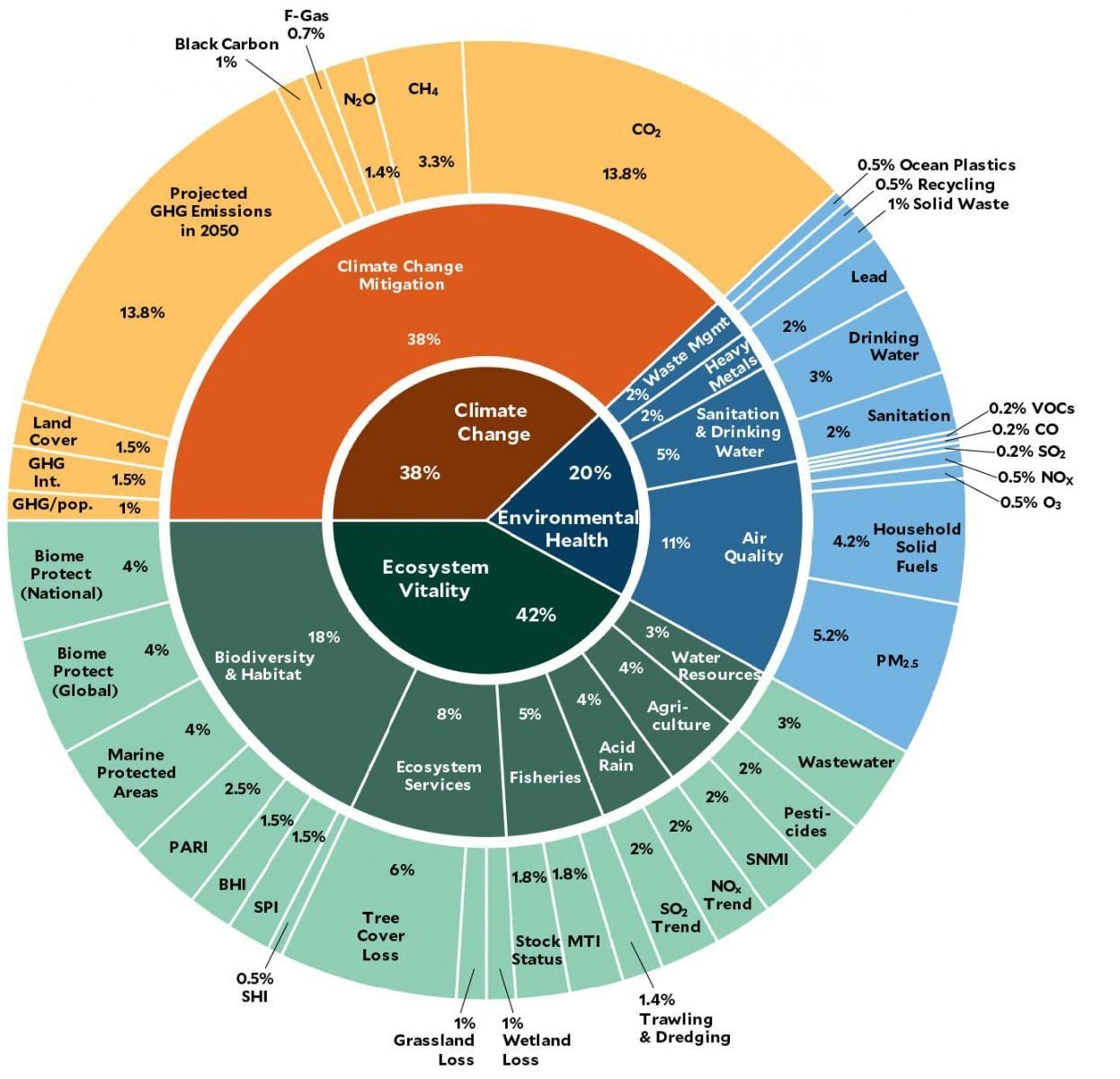
Global Green Economy Index (GGEI)The Global Green Economy Index™ (GGEI) measures the green economy performance of 160 countries across 18 indicators. The GGEI is defined by these underlying indicators within four key dimensions: Climate Change & Social Equity, Sector Decarbonization, Markets & ESG Investment, and Environmental Health. The GGEI, launched in 2010, is a widely referenced product of its kind internationally, utilized by policymakers, international organizations, ESG investors, and companies to evaluate and understand linkages between country green economy performance and their own commercial or organizational agendas. | 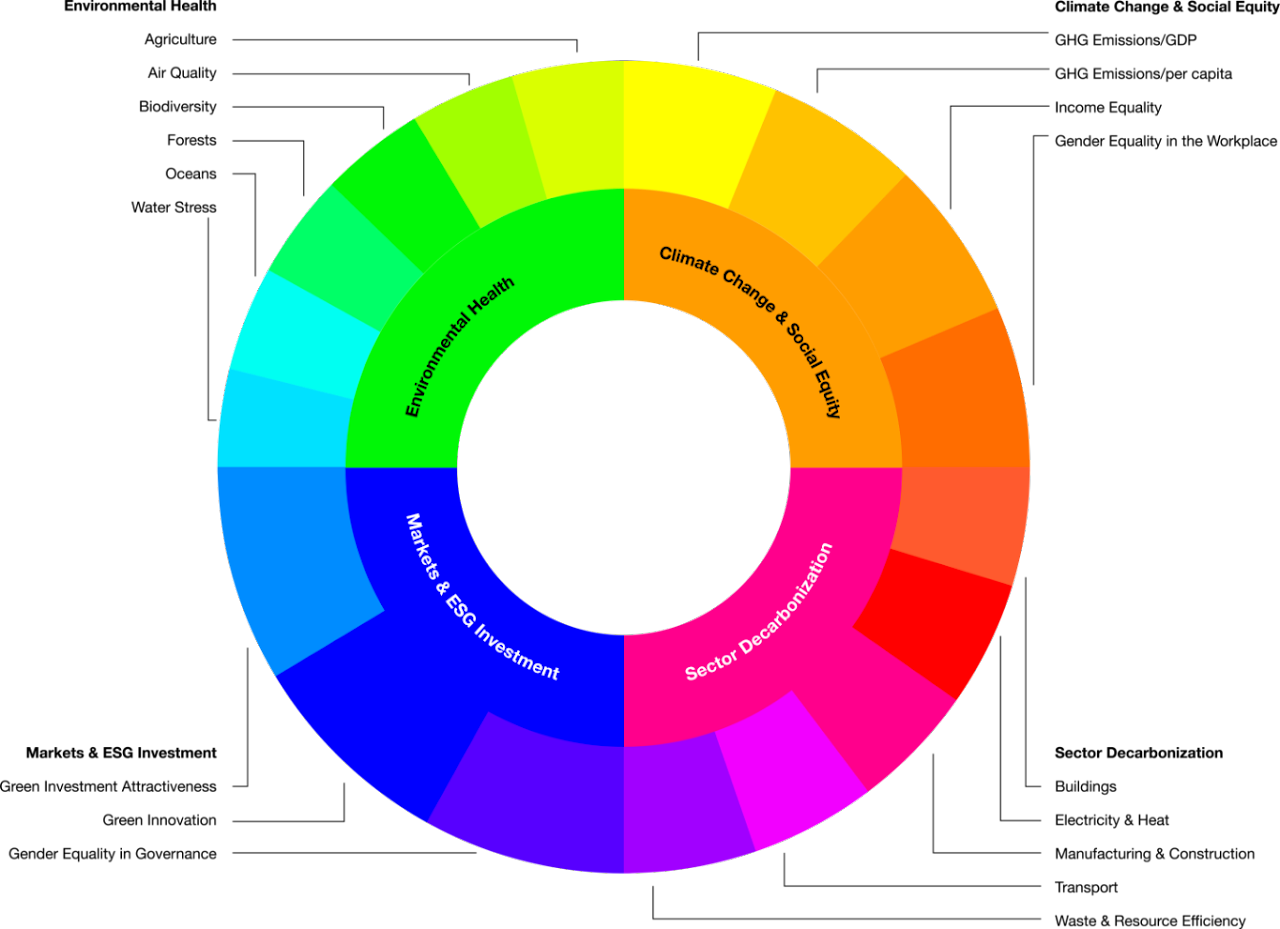 |
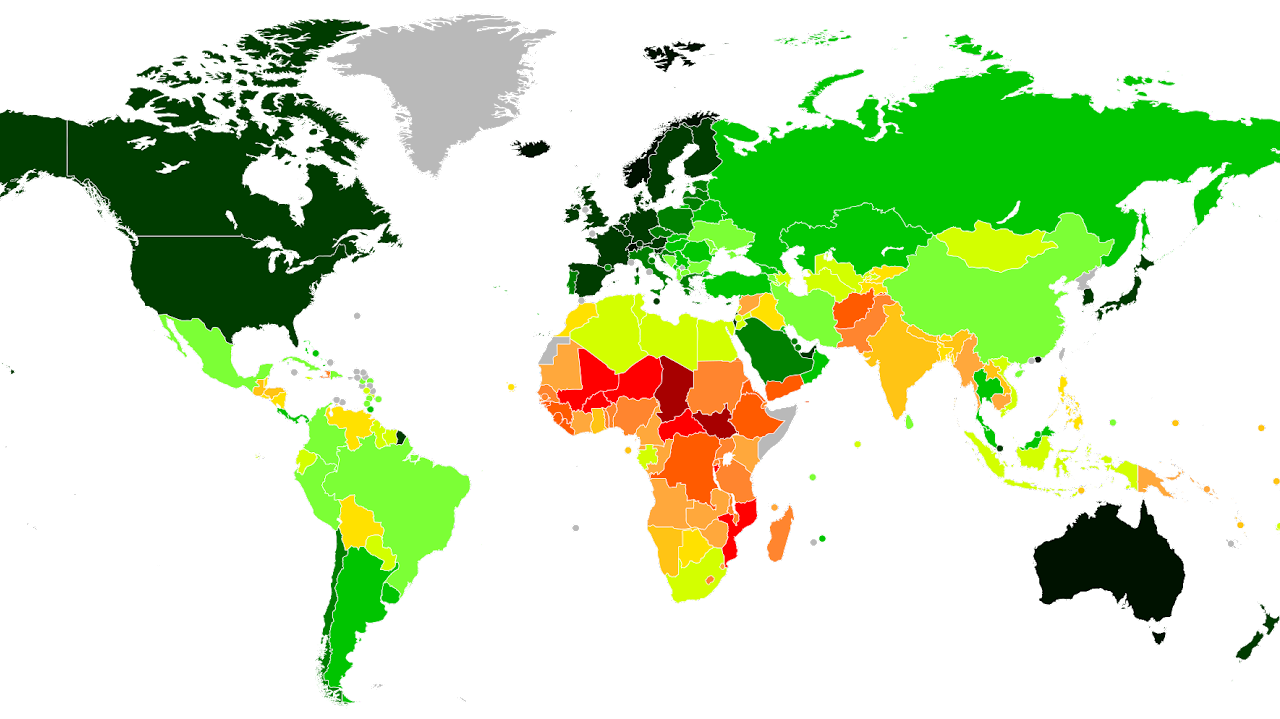 | Human Development Index (HDI)The Human Development Index (HDI) is a statistical composite index of life expectancy, education, and per capita income indicators, which is used to rank countries into four tiers of human development. |
Ocean Health Index (Indice de Santé de l’Océan)The Ocean Health Index (OHI) is a framework for assessing ocean health based on the sustainable provisioning of benefits and services people expect from healthy oceans, such as food, cultural and social value, and jobs. This index is calculated by an American non-profit environmental organization, Conservation International , based in the United States in Arlington County , Virginia. Based on 19 parameters considered as stress factors (or stressors) of human activity on the marine environment, Conservation International annually measures the ecological footprint of man on the oceans in coastal areas up to the 200 nautical miles. A classification is thus established on the oceans and seas surrounding 221 countries and territories in the world, including Antarctica . The annual repetition of measurements makes it possible to identify changes in this footprint over five-year periods. |  |
 | World Economics Environmental Impact IndexThe World Economics Environmental Impact Index focus of each country’s total carbon and methane emissions. Environmental criteria consider how a country can reduce the impact of its operations on the natural environment.
|
World Energy Council’s Energy Trilemma IndexThe World Energy Council’s Energy Trilemma Index, developed in partnership with Oliver Wyman, ranks countries on their ability to provide sustainable energy through 3 dimensions: Energy security, Energy equity (accessibility and affordability), Environmental sustainability. The ranking measures overall performance in achieving a sustainable mix of policies and the balance grade highlights how well a country manages the trade-offs of the Trilemma. | 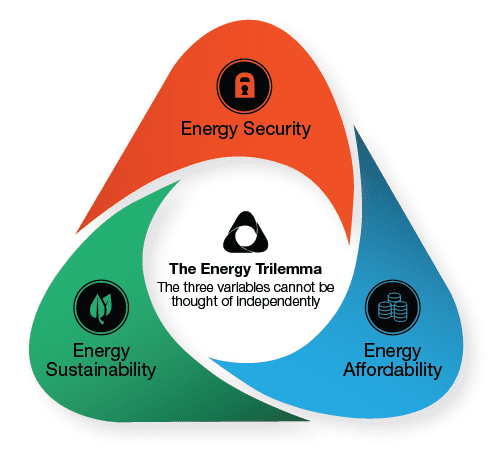 |
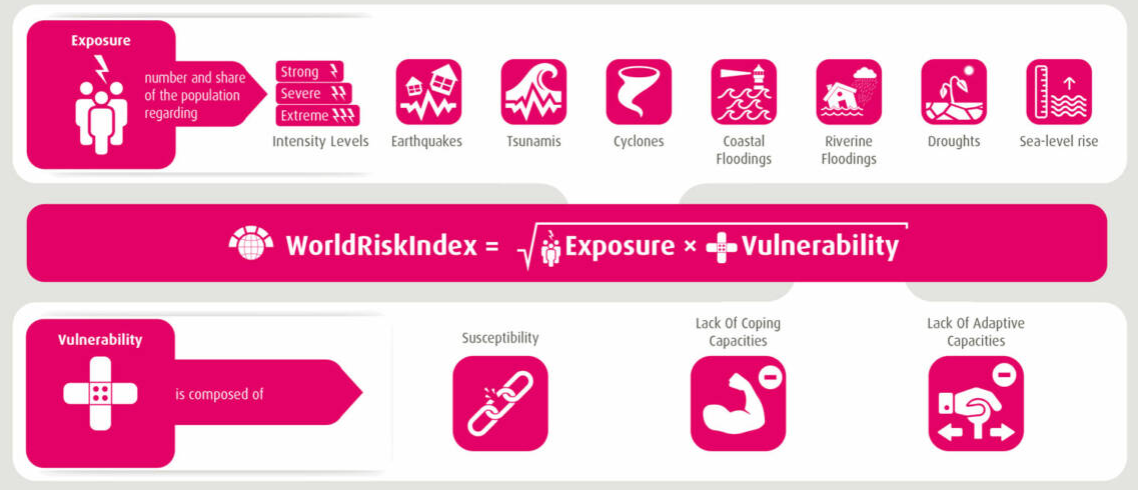 | World Risk IndexThe World Risk Index indicates the disaster risk from extreme natural events and negative climate change impacts for 193 countries in the world. It is calculated per country as the geometric mean of exposure and vulnerability. Exposure represents the extent to which populations are exposed to and burdened by the impacts of earthquakes, tsunamis, coastal and riverine floodings, cyclones, droughts, and sea level rise |