Fishing Methods Employed in MauritiusIn Mauritius, fishing methods encompass a range of traditional and commercial techniques. Artisanal fishers employ line fishing, basket traps for crustaceans, and various types of net fishing. Commercial operations primarily utilize longlining for targeting high-value species like tuna and swordfish, purse seining to efficiently capture large schools of fish, and some bottom trawling. Recreational fishing, including sport fishing and spearfishing, is also popular. Additionally, Fish Aggregating Devices (FADs) are used extensively in commercial purse seining to enhance catch efficiency of pelagic species. Sustainable practices such as aquaculture are increasingly adopted to supplement wild catches and promote conservation. |
Artisanal FishingLine Fishing: This traditional method is widespread among local fishermen. It involves using baited hooks and is often employed for catching a variety of fish species near the coast and around reefs. Basket Traps: Locally known as "casiers," these are commonly used for capturing lobsters and other crustaceans. The traps are environmentally friendly as they are selective and cause minimal habitat damage. Net Fishing: Includes the use of cast nets and beach seines. Net fishing is particularly effective in shallow waters and is used to catch schooling fish.
Commercial FishingLonglining: This method involves setting long lines with baited hooks, used primarily for targeting high-value species like tuna and swordfish. Longlining is a major component of Mauritius's commercial offshore fishing activities. Purse Seining: Employed by the larger commercial vessels, purse seining involves encircling a large area of water with a net to capture dense schools of fish, such as tuna. This method is efficient but can be controversial due to its potential for high bycatch rates. Trawling: Bottom trawling is limited but used for targeting demersal fish species on the outer continental shelf and slope. This method can have significant environmental impacts due to habitat disturbance.
Recreational FishingSport Fishing: Mauritius is a popular destination for sport fishing, particularly for big game species like marlin, tuna, and mahi-mahi. This is mainly catch-and-release, which helps promote conservation awareness. Spearfishing: While not as common, spearfishing is practiced both recreationally and at a smaller commercial scale, primarily in coastal waters.
Sustainable PracticesTraditional Methods | | 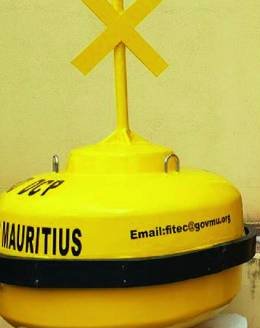
Fishing Aggregating Device used in Mauritius Locate the FADs RodmoFAD - FAD |
Conservation and ManagementMauritius enforces various regulations to manage and conserve marine resources. These include size limits, closed seasons, and protected areas to ensure the sustainability of the fisheries and marine life. The Government also promotes best practices and responsible fishing to minimize environmental impacts and sustain the fishery resources for future generations. |