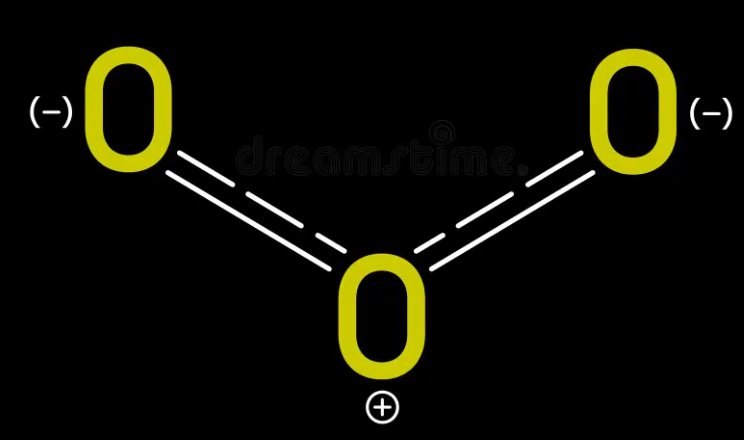
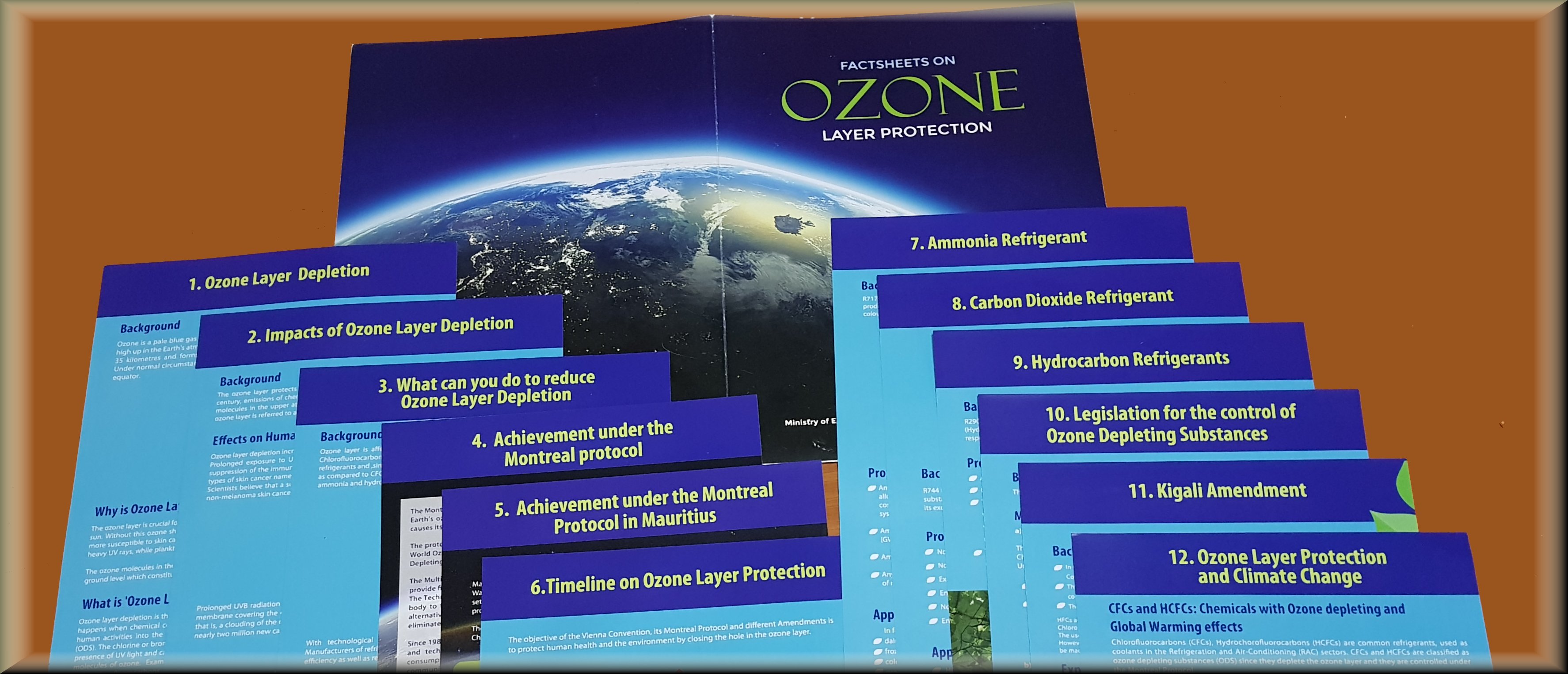
Ozone, a molecule composed of three oxygen atoms (O3), plays a dual role in Earth's atmosphere. It is both a protective shield in the stratosphere and a harmful pollutant at ground level.
High above the Earth, the ozone layer serves as a critical shield, protecting life from the sun's harmful ultraviolet radiation. Discover the role of chlorofluorocarbons (CFCs) in the formation of the ozone hole, and explore how the 1989 Montreal Protocol was implemented to halt ozone depletion (watch this video).
Ozone in the Stratosphere: The Protective Layer
The ozone layer, located in the stratosphere, shields life on Earth by absorbing the majority of the sun's harmful ultraviolet (UV-B) radiation. Data from global monitoring systems, including ground-based observatories and satellites, indicate that ozone levels in the stratosphere have been recovering since the implementation of the Montreal Protocol in 1987. This international agreement successfully phased out the use of ozone-depleting substances (ODS) like chlorofluorocarbons (CFCs).
The Montreal Protocol, an international treaty adopted in 1987, has been extremely successful in reducing the global production, consumption, and emissions of ODS, leading to significant recovery of the ozone layer.
Mauritius, as a signatory to the Montreal Protocol, has implemented policies to eliminate the use of ODS. National reports indicate that local levels of ozone-depleting chemicals have significantly decreased, contributing to the global recovery of the ozone layer. However, challenges remain due to the vulnerability of small islands like Mauritius to changes in UV radiation levels, particularly during ozone hole episodes over the Southern Hemisphere.
Ozone-depleting substances (ODS) are chemicals that contribute to the breakdown of the ozone layer, which is crucial for protecting life on Earth from harmful ultraviolet (UV) radiation. These substances release chlorine or bromine atoms when they are broken down by ultraviolet light in the stratosphere.
The most common ODS include:
Chlorofluorocarbons (CFCs): These were widely used in air conditioning, refrigerators, and aerosol propellants until their production was phased out by the Montreal Protocol due to their high ozone-depleting potential.
Halons: Used in fire extinguishers, halons are very effective at depleting ozone and have a higher ozone-depleting potential than CFCs. Like CFCs, their production has largely been eliminated under the Montreal Protocol.
Carbon Tetrachloride: Once used in fire extinguishers and as a solvent, carbon tetrachloride is also a powerful ozone depleter. Its production for uses that result in emissions to the atmosphere has been banned globally.
Methyl Chloroform (1,1,1-trichloroethane): This substance was used as a solvent and cleaning agent in industries. Its production and use have been significantly restricted.
Hydrochlorofluorocarbons (HCFCs): These were introduced as transitional replacements for CFCs because they have lower ozone-depleting potential. However, they still contribute to ozone depletion, and their phase-out is currently underway under the Montreal Protocol.
Bromochloromethane: Used as a fire retardant, this chemical is also an ozone-depleting substance, though less widely used.
The graph shows a steady decline in Hydrochlorofluorocarbon (HCFC) consumption in Mauritius since 2015, with levels dropping from around 150 units to near zero. A sharp reduction occurs between 2018 and 2021, likely due to Montreal Protocol regulations, adoption of eco-friendly refrigerants, and stricter government policies. Minor fluctuations are observed before the final decline.
If the trend continues, Mauritius is expected to completely phase out HCFCs, ensuring compliance with global environmental commitments.
Impacts of Ozone in Mauritius
1. Environmental Impacts
Agriculture and Vegetation: Elevated levels of ground-level ozone can reduce crop yields and affect plant health. Crops such as sugarcane, which is a staple in Mauritius, may experience stress due to prolonged exposure to ozone, leading to reduced productivity.
Marine Ecosystems: While ozone itself does not directly impact marine life, its precursors, such as NOx and VOCs, can contribute to nitrogen deposition in coastal waters, affecting coral reefs and marine biodiversity.
2. Health Impacts
Respiratory Diseases: Ground-level ozone is a respiratory irritant. Exposure can exacerbate conditions like asthma, bronchitis, and other lung diseases. Vulnerable populations, including children and the elderly, are particularly at risk.
UV radiation exposure: Variations in stratospheric ozone levels influence UV radiation exposure. In tropical settings like Mauritius, increased UV radiation during certain periods may heighten the risk of skin cancer, cataracts, and can also harm marine ecosystems, potentially affecting coral reefs and fisheries, which are vital to Mauritius's economy and biodiversity.
3. Climate Change
Ozone is a potent greenhouse gas in both the troposphere and stratosphere. Tropospheric ozone contributes to global warming, while stratospheric ozone depletion has complex interactions with climate patterns. In Mauritius, these changes can exacerbate climate-related challenges such as sea-level rise, temperature variability, and extreme weather events.
Measures taken to combat Ozone Depletion in Mauritius
Mauritius has implemented several measures collectively aimed to reduce the impact of ODS on the ozone layer while promoting sustainable practices across various sectors in Mauritius., reflecting its commitment to international agreements like the Montreal Protocol.
Key initiatives include:
Legislative Framework: Mauritius has established a legislative framework to control ozone-depleting substances. This is primarily through adherence to the Montreal Protocol, which mandates the phase-out of substances that deplete the ozone layer. The Environment Protection Act is the primary legislation that includes provisions for managing and reducing ODS. The Dangerous Chemicals Control Act of 2004 is aimed at managing hazardous chemicals, including those that can deplete the ozone layer. It provides for the control and management of the importation, storage, sale, and use of dangerous chemicals to prevent adverse effects on human health and the environment.
National Ozone Unit: The establishment of the National Ozone Unit within the Ministry of Environment facilitates coordination and implementation of ozone protection strategies. This unit oversees various projects aimed at reducing ODS consumption.
Refrigeration Management Plan (RMP): Implemented between 2001 and 2002, the RMP focuses on recovering and recycling CFCs from refrigeration systems. It included training for technicians and the provision of recovery and recycling equipment.
Terminal Phase-out Management Plan (TPMP): Approved in 2003, this plan aims to phase out ODS by 2007 through various projects, including training customs officers and retrofitting systems to eliminate CFC use. The TPMP also promotes alternatives like hydrocarbons technology.
Awareness and Training Programmes: Mauritius has conducted numerous awareness campaigns and training workshops for stakeholders, including policymakers and technicians, to enhance understanding of ozone protection measures and best practices.
Phasing Out Methyl Bromide: The government is working with major users of methyl bromide, such as Les Moulins de la Concorde, to transition to less harmful alternatives like sulfuryl fluoride, supported by funding from international cooperation agencies.
International Cooperation: Mauritius collaborates with global initiatives and receives funding from the Multilateral Fund of the Montreal Protocol to support its ozone protection efforts, demonstrating a commitment to international environmental standards.
Promoting Clean Energy: Transitioning to renewable energy sources and reducing reliance on fossil fuels can help lower emissions of ozone precursors. Mauritius’s initiatives in solar and wind energy are steps in the right direction.
Public Awareness and Education: Educating the public on the effects of ozone and the importance of reducing emissions can encourage behavior changes, such as minimizing vehicle use and adopting energy-efficient practices.