Mauritius continues to invest in promoting and developing its tourism sector, ensuring it remains competitive while adhering to sustainable practices. The efforts are directed towards not only enhancing visitor experiences but also preserving the natural beauty and cultural integrity of the island for future generations.
Sustainable Tourism Initiatives and Industry Overview in Mauritius
Overview of Tourism Sector
Mauritius, renowned for its beaches and rich cultural heritage, has witnessed a notable rebound in its tourism industry in 2023. With a substantial increase in tourist arrivals, the sector has shown remarkable resilience, recovering strongly from the global health crisis. The tourism sector not only plays a crucial role in the nation's economy by contributing significantly to the GDP but also serves as a major source of employment and foreign currency.
Sustainable Tourism Efforts
In response to global sustainability trends, Mauritius has implemented several initiatives to promote sustainable tourism. One of the cornerstone efforts is the Sustainable Tourism Mauritius Awards, which recognizes businesses and individuals who significantly contribute to sustainability in tourism. These awards focus on reducing carbon footprints and enhancing environmental and social responsibility within the tourism sector (Mauritius Tourism Authority) .
Moreover, Mauritius is actively working towards achieving a "Green Destination" status by 2030. This ambition is supported by projects like Sustainable Island Mauritius (SIM), funded by the European Union, which aims to improve sustainability impacts along the tourism value chain. The initiative encourages eco-friendly practices among tour operators, enhancing the overall sustainability of the tourism sector (Mauritius Tourism Authority) (UNEP - UN Environment Programme).
The government has also backed the tourism sector with infrastructural investments, such as the development of a new green airport, anticipated to bolster economic growth and enhance the island's climate resilience. This project aligns with Mauritius' goal to enhance its infrastructure while minimizing environmental impacts (World Bank).
Promotional Campaigns
The "Feel our island energy" campaign launched by the Mauritius Tourism Promotion Authority has been instrumental in reinvigorating interest in the destination. Celebrated for its innovative approach, the campaign focuses on promoting Mauritius as a place where visitors can experience a unique and intense connection with nature and local culture. This initiative has not only attracted international attention but also showcased Mauritius' commitment to sustainable and authentic travel experiences (Mauritius Now).
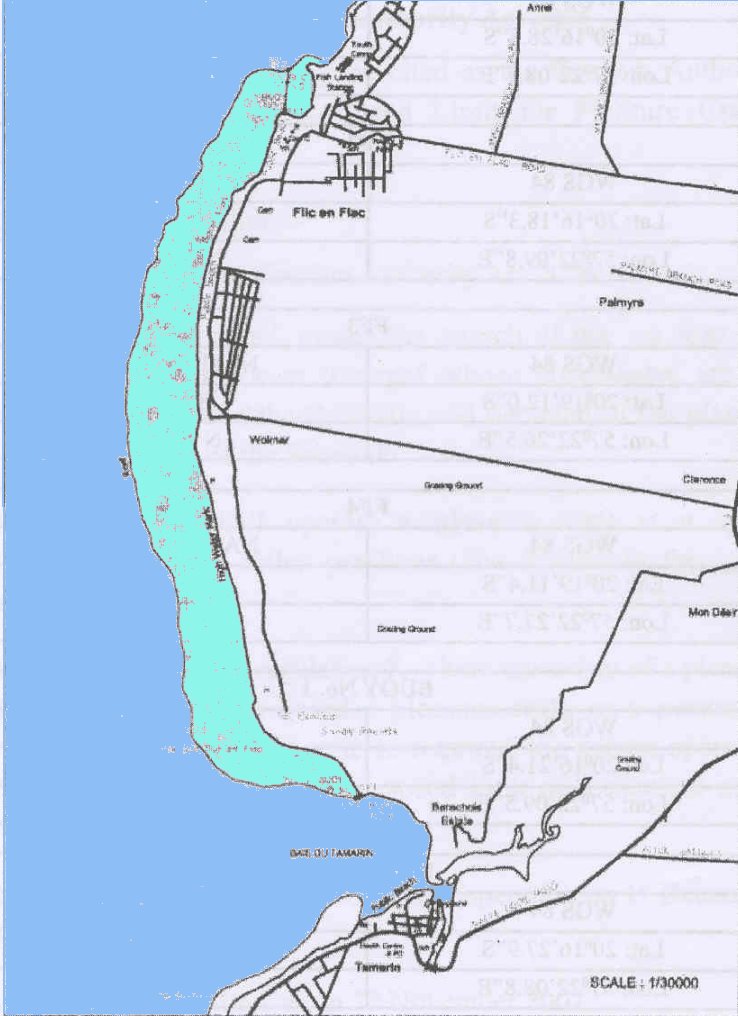
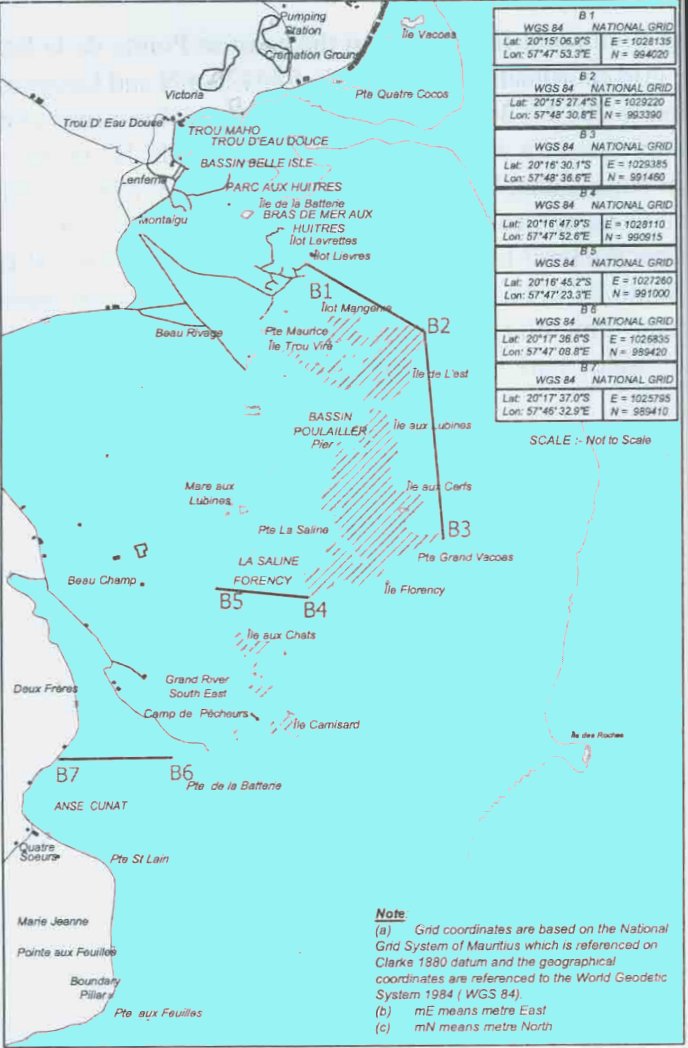
Tourism Authority (Flic en Flac and Wolmar Speed Limit for Pleasure Crafts) Regulations 2007
The Tourism Authority (Flic en Flac and Wolmar Speed Limit for Pleasure Crafts) Regulations 2007 was enacted under the Tourism Authority Act 2006 and came into effect on December 1, 2007.
This regulation is aimed at protecting marine environments, improving safety for swimmers and other sea users, and managing maritime traffic in the Flic en Flac and Wolmar coastal areas.
Key Provisions:
Speed Limit Zone Definition:
The regulation establishes a speed limit zone in the Flic en Flac and Wolmar areas, covering the stretch of sea from the high-water mark to the coral reefs.
Specific coordinates defining this zone are provided in the schedule.
Speed Restriction:
Pleasure crafts operating in the speed limit zone must not exceed 5 knots (5 nautical miles per hour).
Exception for Safety:
A craft may exceed the speed limit only in situations where safety is at risk, such as protecting the vessel, passengers, or others in the sea.
Implementation and Enforcement:
The regulation is enforced by the Tourism Authority to ensure compliance and enhance safety in the designated marine areas.
Tourism Authority (Prohibition of Activity in Navigation Channel and Mooring Zones) Regulations 2012
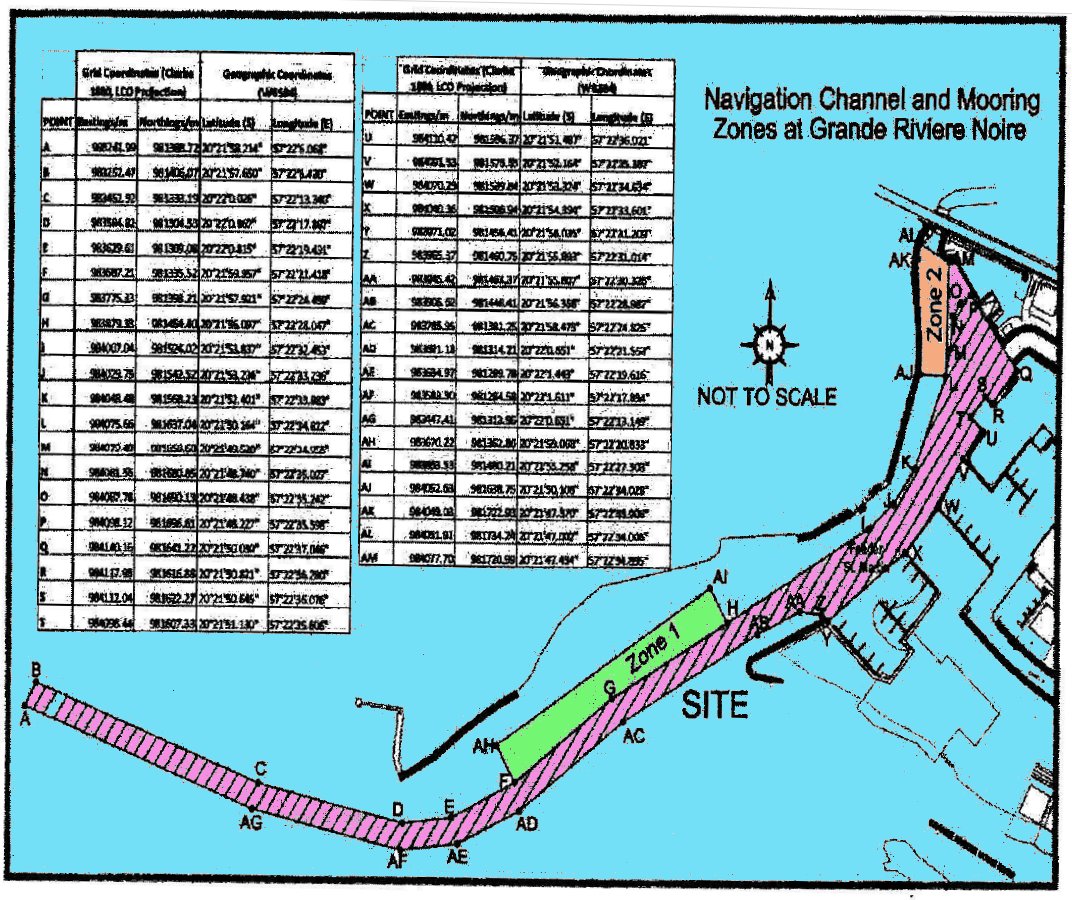
The Tourism Authority (Prohibition of Activity in Navigation Channel and Mooring Zones) Regulations 2012 was enacted under the Tourism Authority Act and came into effect on December 1, 2012.
This regulation aims to ensure navigational safety, protect marine environments, and regulate vessel movement in the Grande Rivière Noire area.
Key Provisions:
Prohibited Activities in the Navigation Channel (Grande Rivière Noire):
No mooring of pleasure crafts or fishing boats is allowed.
No other activities are permitted in the channel.
Speed Limit for Vessels:
Vessels must not exceed 5 knots within the navigation channel.
Higher speeds are allowed only in cases of safety concerns for the vessel, its passengers, or others at sea.
Mooring Zone Regulations:
Mooring Zone 1: Pleasure crafts and fishing boats are allowed to moor in this zone.
Mooring Zone 2: Mooring is only permitted if wind speeds reach at least 24 knots.
Tourism Authority (Snorkelling Zone and Speed Limit Zones for Pleasure Craft) (Belle Mare) Regulatons 2016
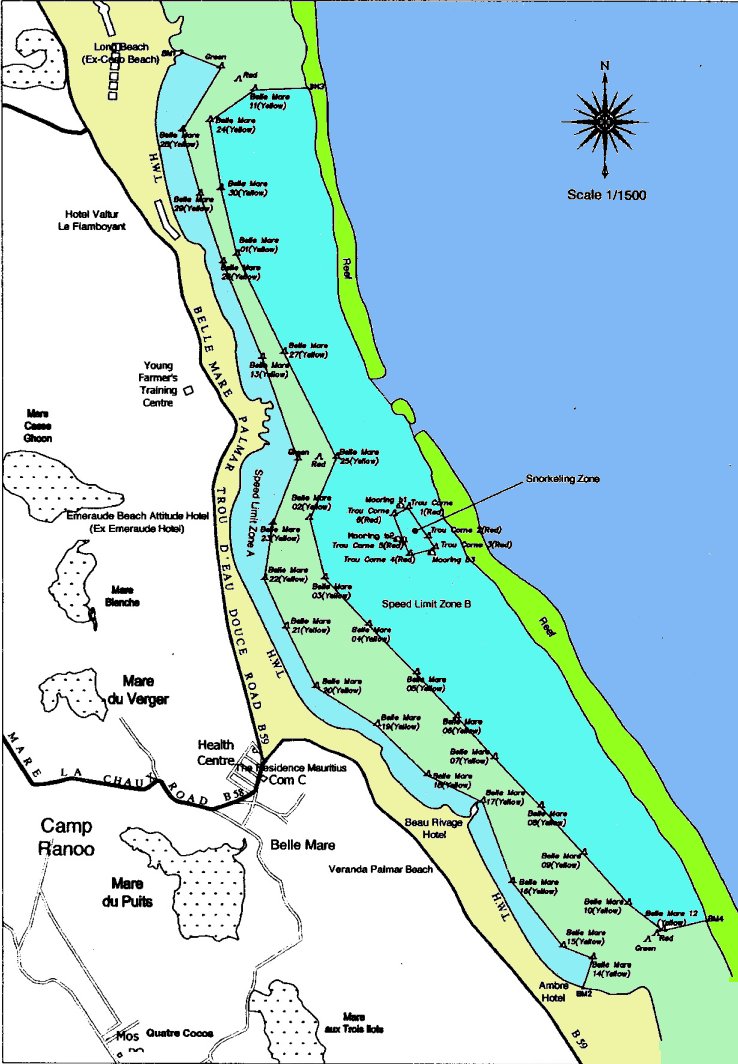
The Tourism Authority (Snorkelling Zone and Speed Limit Zones for Pleasure Craft) (Belle Mare) Regulations 2016 was enacted under the Tourism Authority Act and came into effect on February 1, 2016.
Key Provisions:
Establishment of a Snorkelling Zone:
A designated snorkelling zone is marked by red buoys at Trou Corne, Belle Mare.
No pleasure craft is allowed to operate within the snorkelling zone.
Exceptions apply only in cases where vessel operation is necessary to ensure safety.
Speed Limit for Pleasure Crafts:
A maximum speed limit of 10 knots (10 nautical miles per hour) is imposed in speed limit zones.
Exceeding this limit is only permitted in cases where safety is at risk (e.g., avoiding collisions or ensuring passenger safety).
Enforcement & Implementation:
The regulation is enforced by the Tourism Authority to enhance safety for snorkelers and regulate boat traffic in the Belle Mare lagoon.
These regulations aim to protect snorkelers, promote marine safety, and manage vessel movements in Belle Mare's coastal waters.
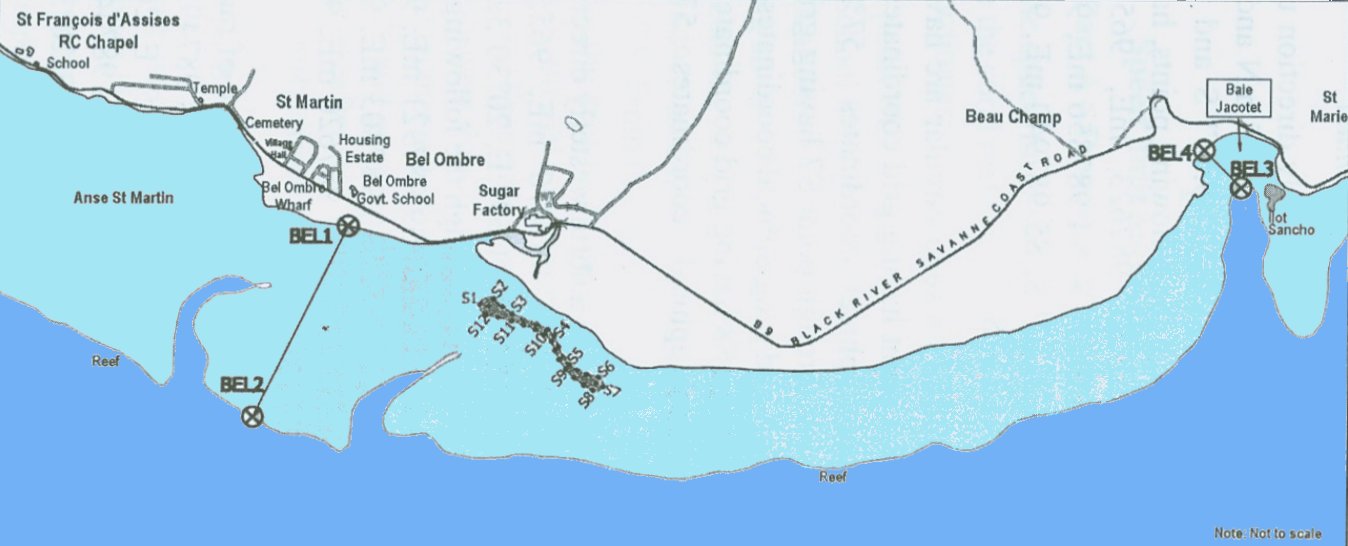
Tourism Authority (Speed Limit Zone for Pleasure Craft) (Bel Ombre) (Amendment) Regulations 2009
The Tourism Authority (Speed Limit Zone for Pleasure Craft) (Bel Ombre) (Amendment) Regulations 2009 was enacted under the Tourism Authority Act and came into effect on October 31, 2009.
These amendments were introduced to enhance safety, regulate waterskiing activities, and manage vessel movement in the Bel Ombre coastal area.
Key Amendments:
Redefinition of Speed Limit Zone:
The regulation modifies the speed limit zone description and replaces the old definition with an updated mapped plan in the schedule.
Creation of Waterskiing Zone:
Introduces a waterskiing zone separate from the general speed limit area.
Defines an "observer" as a required person onboard to monitor waterskiers.
Rules for Waterskiing:
Pleasure crafts may exceed 5 knots within the waterskiing zone.
Restrictions introduced:
No waterskiing without an observer onboard.
No swimming, snorkeling, or diving in the waterskiing zone.
No mooring of crafts in the waterskiing zone.
No operation of crafts for other purposes in the waterskiing zone.
Waterskiing is prohibited between 5:00 p.m. and 9:00 a.m.
Towing Regulations:
When towing a waterskier, pleasure crafts must not operate in an anti-clockwise pattern.
Safety Exceptions:
If a craft operator violates these rules for safety reasons, it may serve as a legal defense.
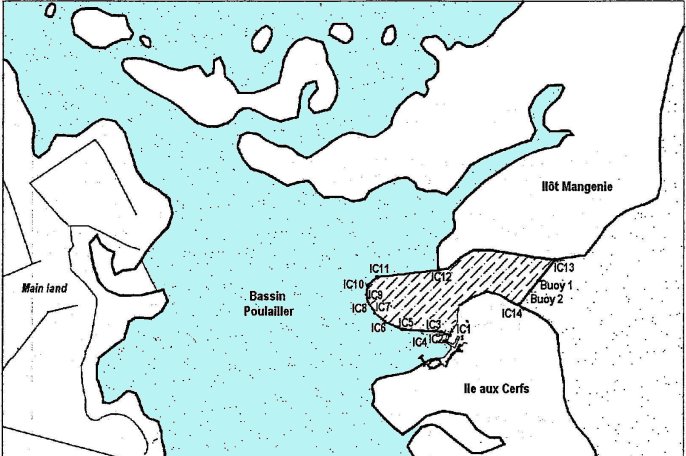
Tourism Authority (Speed Limit and Prohibited Activity Zone for Pleasure Craft) (Trou d'Eau Douce) Regulations 2008
The Tourism Authority (Speed Limit and Prohibited Activity Zone for Pleasure Craft) (Trou d'Eau Douce) Regulations 2008 was enacted under the Tourism Authority Act 2006 and came into effect on March 1, 2008.
These regulations aim to ensure safety, regulate pleasure craft activities, and protect marine ecosystems in the Trou d'Eau Douce lagoon.
Key Provisions:
Establishment of a Prohibited Activity Zone:
The stretch of sea between Ilot Mangenie and Ile aux Cerfs is designated as a prohibited activity zone.
No pleasure craft is allowed to operate in this zone, except in cases of safety emergencies.
Speed Limit Zone Regulations:
A speed limit of 10 knots (10 nautical miles per hour) is imposed in designated speed limit zones.
Speeding is only permitted in cases where safety is at risk (e.g., avoiding collisions).
Revocation of Previous Regulations:
The Pleasure Crafts (Restricted Activity and Speed Limit) Regulations 1998 are revoked and replaced with this regulation.
Amendments & Updates:
The regulations were amended by GN No. 60 of 2008 and GN No. 92 of 2009, refining enforcement measures.