
Focus on rising sea levels, changes in rainfall, and temperature increases, as well as their effects on ecosystems, biodiversity, and natural resources.
Warming Concerns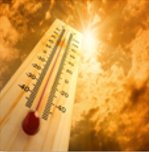 From 1951 to 2020, temperatures increased by 1.39°C in mainland Mauritius and 1.41°C in Rodrigues, compared to a global temperature increase of 1.2°C since the 1850s. Increasing temperatures pose significant risks to biodiversity, agricultural productivity, and water resources in Mauritius. | Changes in Rainfall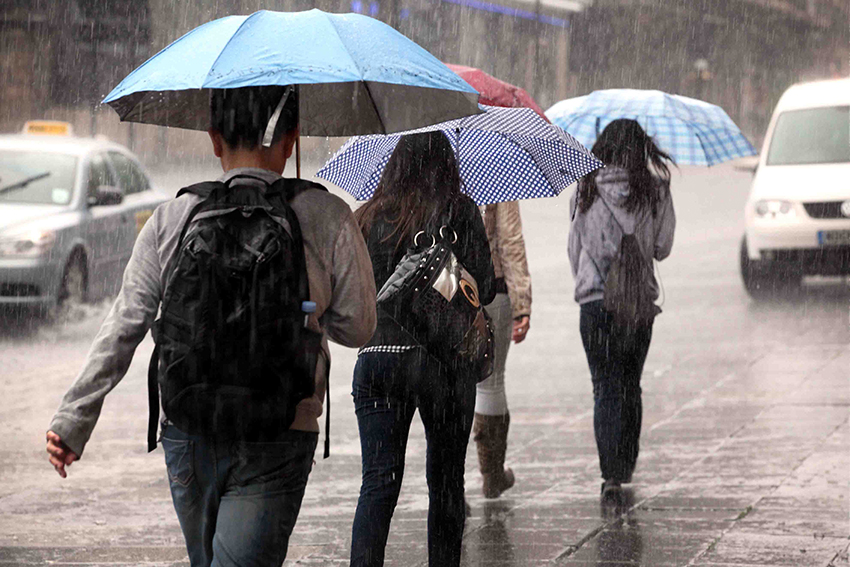 Altered rainfall patterns contribute to water scarcity and increase the risk of floods and landslides in Mauritius. | Sea-level rise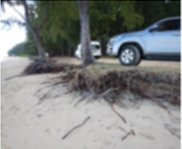 Rising sea levels in Mauritius exacerbate coastal erosion, submerge low-lying areas, and lead to increased salinization of coastal ecosystems, infrastructure, and freshwater resources. | ||||
| More | More | More | ||||
Increased intensity of Cyclones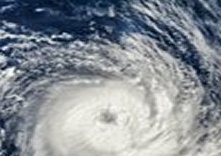 Cyclones challenge community resilience and response systems through the need for accurate forecasting, infrastructure vulnerability to intense conditions, and effective resource allocation before, during, and after events | Sea Surface Temperature Rise Threat to Marine Biodiversity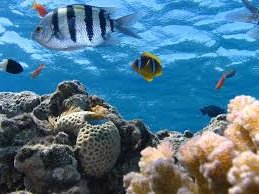 Elevated sea temperatures have led to widespread coral bleaching, which undermines the integrity of reefs, thereby affecting marine biodiversity and the protective barrier reefs provide against storm surges. | Threats to Terrestrial Ecosystems Climate change and Hazards threaten the integrity of terrestrial ecosystems (forests, wetlands, and biodiversity) in Mauritius through altered weather patterns and increased extreme events. | ||||
| More | More | More | ||||
Threats to Freshwater Systems Drought and saline intrusion pose significant threats to the availability and quality of freshwater resources in Mauritius. | ||||||
| More | ||||||