
Mauritius aims to manage its wastewater effectively, ensuring sustainable development and environmental protection amid its economic and demographic growth.
see also WMA Fact Sheet
Wastewater and treatment dynamics in Mauritius | ||
Established in 2000 under the Wastewater Management Authority Act, the Wastewater Management Authority (WMA) functions under the aegis of the Ministry of Energy and Public Utilities. WMA's primary role is to manage the collection and treatment of domestic, commercial, and industrial wastewaters to an environmentally acceptable quality and also the disposal thereof in an environmentally friendly way, as well as expanding the network of the wastewater infrastructure. This is crucial for ensuring Mauritius's sustainable development by providing high standards for water pollution, along with comprehensive wastewater control systems and management services for the entire population. | 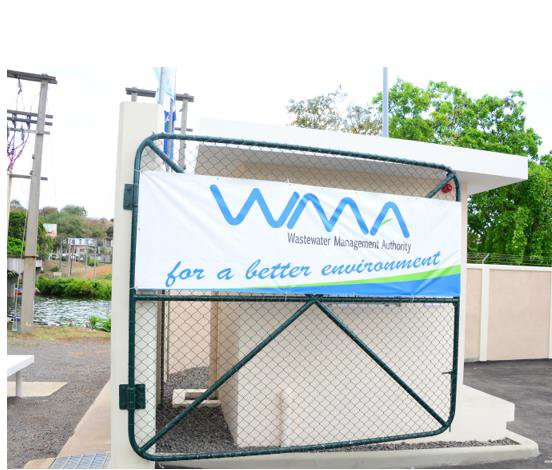 | |
Wastewater GenerationIn Mauritius, wastewater is generated from various sources, including residential, commercial, and industrial sectors. Residential wastewater primarily comes from urban and densely populated areas like Port Louis, where domestic activities contribute to sewage output. On the commercial front, sectors such as tourism significantly contribute to wastewater volumes, especially in resort areas. Industrial wastewater generation is notable in the textile and sugar industries, which are prominent in Mauritius and require substantial water for processing. | ||
Wastewater TreatmentMauritius has developed a robust system for treating wastewater to mitigate environmental impacts and promote public health. To support Mauritius's rapid economic growth and preserve its fragile environment amid demographic growth and shifts in water and land resource usage, the government approved a new Master Plan for 2014-2033. This plan outlines a 20-year strategy aimed at developing and managing the wastewater sector in Mauritius. WMA oversees the public wastewater infrastructure, which includes, as at December 2023, 28.6% of the population connected to public sewer (with over 750 km of sewer networks (with over 95,000 households), 69 pumping stations, and 10 treatment plants (see Maps).
| ||
Reuse and RecyclingWastewater reuse and recycling are becoming increasingly important in Mauritius as the island seeks to conserve its limited freshwater resources. Treated wastewater is reused in agriculture for irrigation of crops like sugarcane, reducing the reliance on freshwater sources. Additionally, in areas like golf courses and other recreational facilities, especially in tourist regions, recycled wastewater is used for landscaping, helping preserve aesthetic and environmental value while conserving potable water.
| MORE ON | |
Environmental Impact AssessmentEnvironmental Impact Assessments (EIAs) are crucial in Mauritius to ensure that the construction and operation of wastewater treatment plants do not adversely affect the environment. For instance, before the expansion of the Baie-du-Tombeau treatment plant, an EIA was conducted to evaluate potential impacts on nearby ecosystems and communities. These assessments help in planning mitigation strategies, such as the installation of advanced pollution control systems, to prevent negative environmental and public health outcomes. | The WMA Laboratory is a fully accredited facility for analytical testing, specializing in the analysis of water and wastewater quality. It holds certification under ISO/IEC 17025 and employs Standard Methods consistent with APHA/HMSO and ISO guidelines. Equipped to assess 54 different parameters in water and wastewater, the WMA laboratory ensures comprehensive testing capabilities. For inquiries about WMA laboratory services, contact: (230) 4667131 / (230) 4661228. | |
Saint Martin Wastewater Treatment Plant | ||
The St. Martin Wastewater Treatment Plant is the largest wastewater treatment plant of the island which treats both domestic and industrial wastewaters from the Plaine Wilhems region to tertiary level. The treated effluent is either discharged to the sea through an outfall or used for sugarcane irrigation (subject to demand). The treatment plant contributes to energy/water savings as follows:
|
Aerial views of the St. Martin Wastewater Treatment Plant 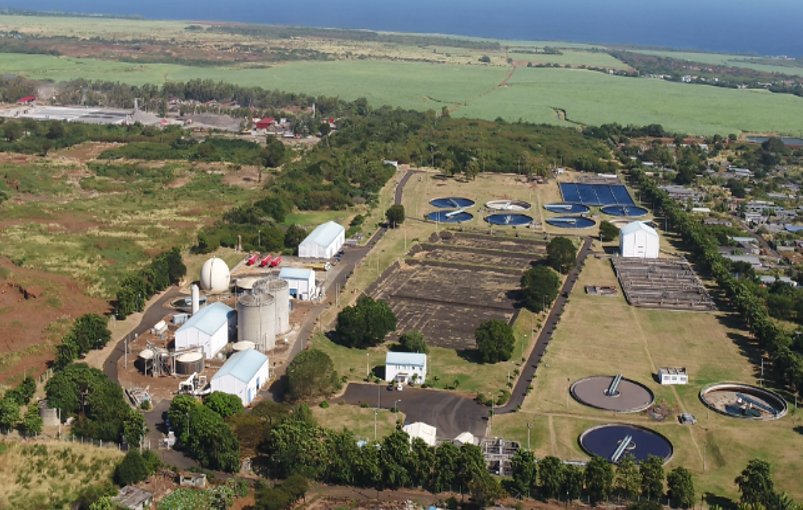 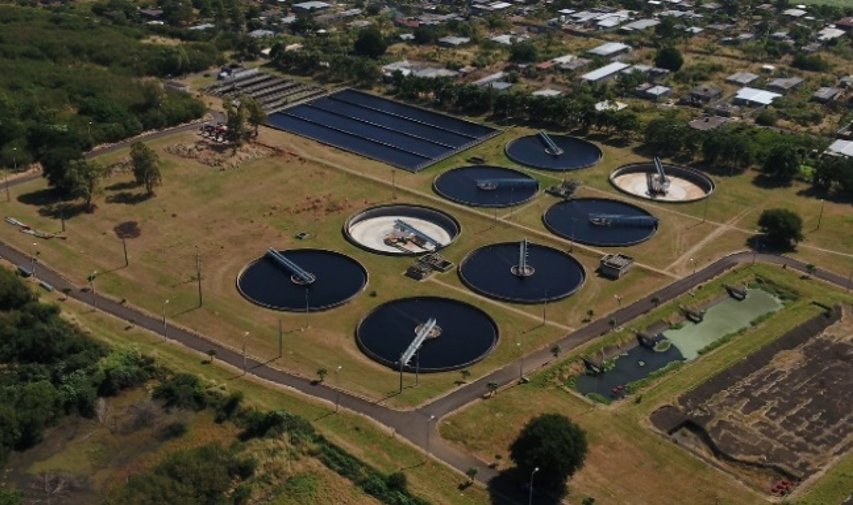 | |
source: Digest, Environment, Table 65, Statistics Mauritius
source: Digest, Environment, Table 66, Statistics Mauritius
Unit: (Mm3)
source: Digest, Environment, Table 67, Statistics Mauritius
source: Digest, Environment, Table 68, Statistics Mauritius