
Explore ozone data trends, its effects on the environment and health, and strategies to address ozone-related challenges in Mauritius.
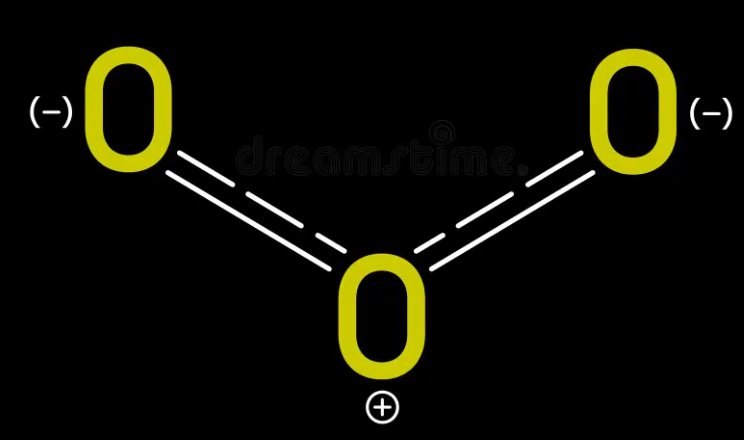
Ozone, a molecule composed of three oxygen atoms (O3), plays a dual role in Earth's atmosphere. It is both a protective shield in the stratosphere and a harmful pollutant at ground level. | Ozone, with its dual roles as a protector and pollutant, has significant implications for Mauritius. Understanding ozone dynamics and its implications is crucial due to the island's unique geographical and environmental context. While global efforts have led to the recovery of the stratospheric ozone layer, the challenges of ground-level ozone pollution and its impacts on health, agriculture, and climate remain pertinent. Addressing these challenges requires a combination of local actions, policy measures, and international cooperation. By prioritizing sustainable practices and embracing technological advancements, Mauritius can safeguard its environment and citizens from the adverse effects of ozone. |
Ozone in the Stratosphere: The Protective Layer | Ozone at Ground Level: A Harmful Pollutant |
The ozone layer, located in the stratosphere, shields life on Earth by absorbing the majority of the sun's harmful ultraviolet (UV-B) radiation. Data from global monitoring systems, including ground-based observatories and satellites, indicate that ozone levels in the stratosphere have been recovering since the implementation of the Montreal Protocol in 1987. This international agreement successfully phased out the use of ozone-depleting substances (ODS) like chlorofluorocarbons (CFCs). The Montreal Protocol, an international treaty adopted in 1987, has been extremely successful in reducing the global production, consumption, and emissions of ODS, leading to significant recovery of the ozone layer. Mauritius, as a signatory to the Montreal Protocol, has implemented policies to eliminate the use of ODS. National reports indicate that local levels of ozone-depleting chemicals have significantly decreased, contributing to the global recovery of the ozone layer. However, challenges remain due to the vulnerability of small islands like Mauritius to changes in UV radiation levels, particularly during ozone hole episodes over the Southern Hemisphere. | In the troposphere, ozone is a secondary pollutant formed by photochemical reactions involving nitrogen oxides (NOx) and volatile organic compounds (VOCs) in the presence of sunlight. Ground-level ozone is a key component of urban smog and poses significant environmental and health risks. Studies and air quality monitoring show that tropospheric ozone levels can spike during certain seasons, particularly in areas with high vehicular emissions and industrial activities. The transport of pollutants from nearby continents and shipping lanes can also contribute to local ozone levels. While Mauritius does not experience severe smog events like those in urbanized regions, localized ozone pollution can still affect air quality, especially in densely populated areas like Port Louis. |
Strategies to Address Ozone-Related Challenges |
- Strengthening Air Quality Monitoring: Expanding the network of ozone and pollutant monitoring stations across Mauritius can provide real-time data to identify trends and hotspots for targeted interventions.
- More International Collaboration: As a small island state, Mauritius can benefit from international partnerships for technical and financial support to combat ozone-related challenges and align with global environmental goals.