Water Quality: The Lifeline of Public Health and Ecological Harmony
The Vital Role of Water Quality in Mauritius
Central to the harmony between people and nature is the quality of its water resources, which plays a pivotal role in safeguarding public health and ecological balance. Water is life, and its quality profoundly impacts the well-being of Mauritians and the delicate ecosystems that coexist on this island. Ensuring access to clean, safe, and reliable water sources is not just a necessity; it is an essential cornerstone of a thriving society. The preservation and enhancement of water quality are key to maintaining the nation's health, economic prosperity, and ecological resilience.
Water Quality's Impact on Health and Environment
In this context, the connection between water quality and health is a subject of paramount importance. Understanding how water quality influences public health and the environment empowers Mauritians to take informed actions, craft effective policies, and adopt sustainable practices. It is a journey that encompasses safeguarding drinking water sources, managing wastewater, and fostering a deep sense of responsibility for the island's aquatic ecosystems.
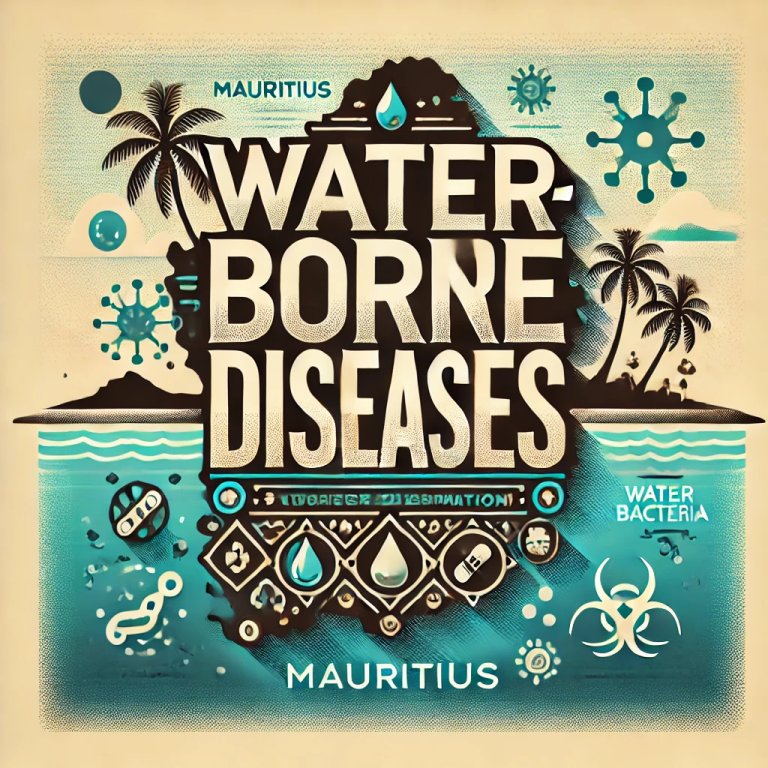
OpenAI, 2024
Status of Environmental Health in terms of Water Quality
The status of environmental health in terms of water quality in Mauritius can be summarized as follows:
Drinking Water
Mauritius generally has a well-developed water supply system that provides access to safe drinking water for a significant portion of the population. The Central Water Authority (CWA), as the sole service provider for public drinking-water supply throughout the country, ensures the safety and adequacy of the water supply through proper operation and maintenance of treatment processes and distribution networks, and monitoring of both the raw water sources and drinking-water qualities. Moreover, the Ministry of Health and Wellness, as enforcing agency for drinking-water quality monitoring under the Environment Act 2024 undertakes independent drinking-water surveillance of the CWA water supplies. The Environmental Health Engineering Unit of the Ministry of Health and Wellness, undertakes this surveillance to the tune of four thousand (4000) drinking-water samples on a yearly basis from the CWA network including water treatment plants, pressure filters, boreholes, service reservoirs, the distribution lines, and educational and health institutions amongst other public health institutions, for microbiological and physico-chemical analyses to verify compliance with the Environment Protection (Drinking Water Standards) Regulations 1996.
Wastewater Management:
While efforts have been made to improve wastewater management, pollution from untreated sewage and effluents remains a concern in some areas. Rapid urbanization and population growth have caused stress on existing wastewater treatment infrastructure, leading to instances of inadequately treated or untreated wastewater being released into rivers, lagoons, and coastal areas.
Agricultural Runoff:
In agricultural areas, the use of pesticides, fertilizers, and herbicides can potentially contribute to water pollution through runoff. Improper agricultural practices can lead to the contamination of rivers, streams, and groundwater, affecting the overall water quality.
Coastal Pollution:
Mauritius faces challenges related to coastal pollution. Urban runoff, marine litter, and pollution from shipping activities can degrade water quality along the coasts, impacting marine ecosystems and potentially posing risks to human health.
Drinking Water Safety and Contaminants
The Right to Safe Drinking Water
Access to safe and clean drinking water is a fundamental human right and a cornerstone of public health. Ensuring the safety of drinking water is an essential responsibility of governments and communities worldwide. However, the quality of drinking water is often challenged by various contaminants that can pose health risks when consumed. Contaminants can be naturally occurring or introduced through human activities, including industrial processes, agriculture, and urbanization.
Strategies for Ensuring Drinking Water Safety
Drinking water safety involves a comprehensive approach to monitoring, treatment, and regulation to protect the public from potential health hazards. Contaminants of concern may include bacteria, viruses, heavy metals, chemical pollutants, and microorganisms. Strategies to ensure safe drinking water encompass source protection, water treatment, regular testing, and adherence to stringent water quality standards.
Drinking Water Management in Mauritius
Mauritius is highly conscious of the importance of clean and safe drinking water. As a small island nation in the Indian Ocean, the management of drinking water sources and the prevention of contamination are paramount. By safeguarding water sources, maintaining rigorous treatment processes, and adhering to regulatory standards, the nation strives to provide its residents with clean and safe drinking water, preserving both public health and the environment.
Water Sources:Mauritius relies on a mix of surface water and groundwater sources to meet its drinking water demands. These sources are vulnerable to contamination from agricultural runoff, urban development, and industrial activities. The government recognizes the importance of preserving these sources through environmental conservation measures.
Treatment Facilities: The nation has invested in modern water treatment facilities to ensure that water from both surface and groundwater sources is treated to meet international drinking water quality standards. Treatment processes typically involve coagulation. flocculation, sedimentation, filtration, and disinfection to remove contaminants and deactivate pathogens.
Water Quality Monitoring: Regular monitoring of water quality is an essential practice in Mauritius. This includes testing for the presence of microorganisms, heavy metals, organic compounds, and other potential contaminants. The results of these tests are used to ensure that drinking water remains safe for consumption.
Contaminants of Concern: Mauritius faces several specific challenges related to drinking water contaminants. These challenges include safeguarding water sources against pesticide runoff from agricultural areas, addressing the potential presence of heavy metals due to industrial activities, and mitigating microbial contamination risks in densely populated urban regions.
Regulatory Framework: The government of Mauritius has established a robust regulatory framework to govern drinking water quality. The nation also actively adheres to international guidelines provided by organizations like the World Health Organization (WHO).
Public Awareness: Public awareness campaigns and educational initiatives are vital in promoting safe water practices. These campaigns emphasize the importance of water conservation, proper disposal of hazardous materials, and responsible agricultural practices to prevent water contamination.
The Connection between Waterborne Diseases and Water Quality
Understanding Waterborne Diseases and Water Quality
The link between waterborne diseases and water quality is a critical concern that highlights the intricate relationship between access to safe drinking water and public health. Waterborne diseases are illnesses caused by the consumption of water contaminated with pathogenic microorganisms, chemicals, or other pollutants. The quality of water sources plays a pivotal role in determining the prevalence of these diseases, making it essential to ensure that drinking water is free from harmful contaminants.
Spectrum of Waterborne Illnesses
Waterborne diseases encompass a broad spectrum of illnesses, including cholera, dysentery, typhoid, and various gastrointestinal infections. These diseases primarily affect vulnerable populations, such as children, the elderly, and individuals with compromised immune systems.
Proactive Measures for Disease Prevention
To combat the spread of waterborne diseases, proactive measures are necessary to maintain high water quality standards, implement effective water treatment processes, and prioritize source protection.
Water Quality Management - A National Health Priority
Mauritius places a strong emphasis on the link between waterborne diseases and water quality. The nation is aware of the vital role that clean water plays in safeguarding public health.
By actively monitoring and safeguarding water sources, implementing rigorous treatment processes, and adhering to strict regulations, the nation endeavors to provide its residents with access to safe and clean drinking water. These efforts contribute to the prevention of waterborne diseases and the promotion of overall public health in the country.
Key aspects of waterborne diseases and water quality connection in the context of Mauritius:
Water Quality Surveillance: Mauritius maintains a comprehensive system for monitoring water quality. This includes regular testing and analysis of water samples from various sources, such as surface waters and groundwater. The focus is on identifying potential contaminants that may lead to waterborne diseases.
Vulnerable Water Sources: Mauritius faces challenges related to the vulnerability of its water sources. These sources can be exposed to pollution from agricultural runoff, urbanization, and industrial activities. Efforts are made to protect these sources through stringent regulations and source conservation measures.
Water Treatment: The nation has invested in modern water treatment facilities to ensure that water from different sources is purified to meet international standards for drinking water quality. The treatment processes involve filtration, disinfection, and other methods to remove or inactivate harmful microorganisms.
Public Health Awareness: Public health campaigns in Mauritius actively promote the importance of safe water practices. These campaigns emphasize the need for proper sanitation, the importance of boiling or treating water when necessary, and the avoidance of water sources that may be contaminated.
Regulatory Framework: Mauritius has established a comprehensive regulatory framework for water quality. The Environment Act 2024, Public Health Act and other relevant regulations set clear standards for water quality and safety. These standards align with international guidelines and recommendations.
Challenges and Successes: While Mauritius has made significant progress in addressing waterborne diseases, it faces ongoing challenges related to population growth, urban development, and potential pollution sources. However, the nation's commitment to preserving water quality and ensuring public health remains steadfast.
Actions to effectively control water-borne health-related diseases
To effectively control water-borne health-related diseases, actions can be categorized into what can be done at the household level and what should be implemented at the public or government level.
At the Household Level:
Water Treatment and Disinfection at Home: Use of household water treatment methods such as boiling, chemical disinfection (chlorine tablets), or point-of-use filters to enhance drinking-water safety.
Sanitation and Hygiene: Practice good hygiene by regularly washing hands, especially before meals and after using the toilet. Safe food preparation and proper disposal of waste to prevent contamination.
Safe Water Storage: Store treated water in clean, covered containers to prevent recontamination. Ensure that water storage areas are kept away from potential contamination sources like bathrooms or animal pens.
Public Health Education: Educate oneself and family members about the risks associated with water-borne diseases and preventive measures through available resources and community health programs.
Emergency Preparedness: Keep a supply of clean water and water purification methods available for emergencies such as natural disasters or water supply disruptions.
In case of confirmed contamination of the drinking-water supply, follow official guidance from health authorities and local water agencies. Avoid consuming untreated water, and prioritize bottled or officially supplied emergency water sources when available. Continuously monitor public advisories for updates on water safety and recommended protective measures. At the Public or Government Level:
Water Quality Monitoring and Standards: Implementing rigorous standards for water quality and regular testing of public water systems to ensure safety and compliance.
Infrastructure Improvements: Investment in and maintenance of water supply systems and sewage treatment facilities to prevent contamination. Upgrading sanitation infrastructure to manage waste effectively and prevent it from entering water bodies.
Legislation and Policy Enforcement: Develop and enforce environmental and public health regulations that protect water sources and promote safe water practices. Create policies that support sustainable water use and effective waste management.
Disease Surveillance and Reporting Systems: Establishing systems to monitor health data related to water-borne diseases, enabling rapid response to outbreaks and ongoing disease prevention efforts.
Community-Based Water Resource Management: Engage local communities in the management of water resources to foster protective measures and sustainable practices. Facilitate community-led initiatives and support local governance structures in water management.
Public Health Campaigns: Conducting extensive public education campaigns to raise awareness about water-borne diseases and promote preventive measures among the wider population.
Emergency Response Capability: Developing and maintaining the capability to respond quickly to water-related emergencies, including provision of emergency water supplies and healthcare services. Implementing these measures at both household and government levels is crucial for a comprehensive approach to preventing and managing water-borne diseases.
Safe Practices for Recreational Water Use
Recreational water activities, whether in natural bodies of water or artificial facilities like swimming pools, offer countless opportunities for leisure and enjoyment. However, ensuring the safety of these recreational waters is a fundamental concern. Safe practices for recreational water use are essential to prevent accidents, injuries, and the transmission of waterborne diseases.
Recreational water activities encompass swimming, boating, water sports, and other forms of leisure in aquatic environments. While these activities are refreshing and enjoyable, they can pose health and safety risks if not managed properly. Contaminants, water quality, and personal hygiene play crucial roles in preserving the well-being of individuals who engage in recreational water use.
Mauritius places great importance on promoting safe practices for recreational water use. The island nation is well aware of the significance of safeguarding the health and safety of residents and tourists who engage in various water-based activities.
By actively monitoring water quality, emphasizing personal hygiene, providing lifeguard services, and conducting public awareness campaigns, the nation strives to create a secure environment for residents and visitors to enjoy its beautiful aquatic attractions. These efforts contribute to enhancing the well-being and safety of individuals who partake in recreational water activities in Mauritius.
An Overview of the Measures and Considerations Related to Recreational Water Use in Mauritius
Water Quality Monitoring
Mauritius maintains rigorous water quality monitoring systems for its recreational waters. This includes regular testing of water samples from popular swimming areas, coastal zones, and other aquatic venues. The focus is on ensuring that water quality meets established safety standards, and any potential contaminants are promptly identified and addressed. However, there are currently no specific standards governing water quality for recreational purposes in Mauritius. To enhance public health and safety, the existing water quality monitoring and regulatory framework should be expanded to include defined standards for recreational waters, ensuring systematic assessment and compliance. This would support better management of waterborne risks, align with international best practices, and reinforce Mauritius’ commitment to safe and sustainable recreational water use.
Hygiene and Sanitation
Public awareness campaigns emphasize the importance of personal hygiene and sanitation when engaging in recreational water activities. This includes showering before entering pools, using appropriate restroom facilities, and avoiding activities when experiencing gastrointestinal illnesses to prevent contamination.
Lifeguard Services
Many of Mauritius' popular beaches and swimming areas are equipped with lifeguard services. These trained professionals play a vital role in ensuring the safety of swimmers and beachgoers by monitoring water conditions and responding to emergencies.
Public Awareness
Public education initiatives are regularly conducted to inform residents and tourists about safe practices for recreational water use. These campaigns highlight the importance of avoiding water activities during adverse weather conditions, adhering to posted safety signs, and the risks associated with consuming food near recreational waters.
Regulatory Framework
Mauritius has established a regulatory framework that governs the operation and management of recreational water facilities, including swimming pools and beaches. This framework sets standards for water quality, safety equipment, and emergency response protocols. However, with the absence of formal recreational water quality standards, there is a need for further regulatory development to ensure water safety in alignment with international guidelines.
Water Sports Safety
Water sports and other recreational activities that involve equipment are also regulated to ensure participants' safety. Operators of such activities are required to follow specific safety guidelines and provide appropriate equipment and training.
Mitigating Actions
Government and environmental agencies in Mauritius have taken several steps to address water quality issues and promote environmental health:
Water Quality Monitoring: The CWA conducts regular water quality monitoring programs across different waterbodies, including rivers, reservoirs, groundwater, and coastal areas. This monitoring helps identify pollution sources and take necessary measures to maintain water quality standards.
Wastewater Treatment: The government has invested in improving wastewater treatment infrastructure to reduce pollution from untreated sewage and effluents. Initiatives are underway to enhance wastewater treatment capabilities and promote the use of advanced treatment technologies.
Regulatory Framework: Mauritius has established legislation and regulations to control water pollution. The Environment Protection (Standards for Discharge of Effluents) Regulations set standards for the discharge of wastewater into the environment, aiming to ensure that effluents do not harm water quality.
Awareness and Education: Public awareness campaigns on water conservation, proper waste disposal, and responsible agricultural practices are conducted to educate individuals and promote environmentally sustainable behaviors.
Efforts are ongoing to address water quality concerns in Mauritius.
Regular monitoring, infrastructure development, regulation enforcement, and public participation are crucial to ensuring the continued improvement of water quality and environmental health in the country.