
Explore the specific consequences of climate change across Mauritius's key sectors such as agriculture, fisheries, tourism, and water resources, detailing how shifts in climate patterns directly affect operational sustainability, sectoral output, and long-term viability.
Agriculture and Food Security Climate change and Hazards challenge Mauritius's agriculture and food security through erratic weather patterns, increased pests, and disease outbreaks. | Water Resources Climate change and Hazards intensify water resource challenges in Mauritius through increased drought frequency and saline intrusion. | Fisheries and Marine Resources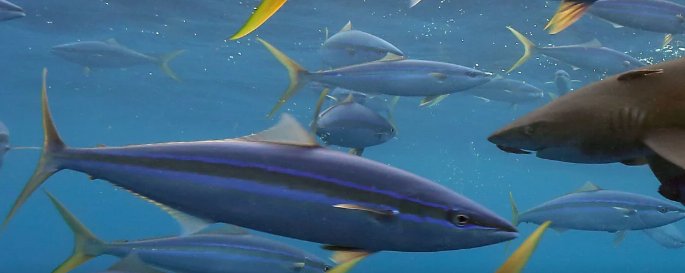 Warming oceans due to climate change challenge Mauritius' fisheries by altering fish stocks and threatening marine livelihoods through habitat disruption and ocean acidification. | ||||
| More | More | More | ||||
Threats to the Tourism Industry Climate change and Hazards threaten Mauritius' tourism industry by impacting natural attractions and increasing the frequency of extreme weather events. | Health Risks Climate change and Hazards heighten health risks in Mauritius, including increased vector-borne diseases, heat stress, and malnutrition. | Energy Security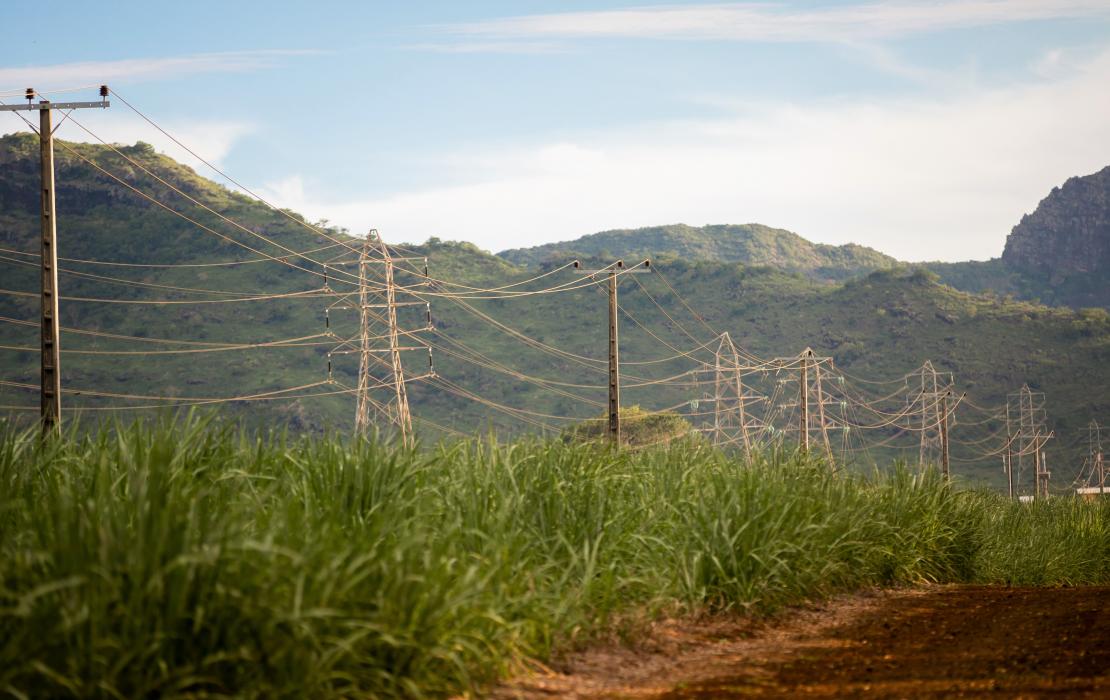 Rising temperatures increase energy demand for cooling, while vulnerabilities in energy infrastructure due to cyclones, floods, sea-level rise, reliance on imported fossil fuels, and water scarcity affecting hydropower generation, stress Mauritius' energy sector and its capacity to deliver services. | ||||
| More | More | More | ||||
Infrastructural Considerations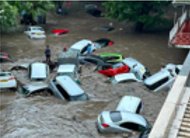 Climate change and hazards, including more frequent and intense cyclones and rising sea levels, strain Mauritius' infrastructure, causing significant damage, loss of life, and disruptions to the local economy and biodiversity. | Waste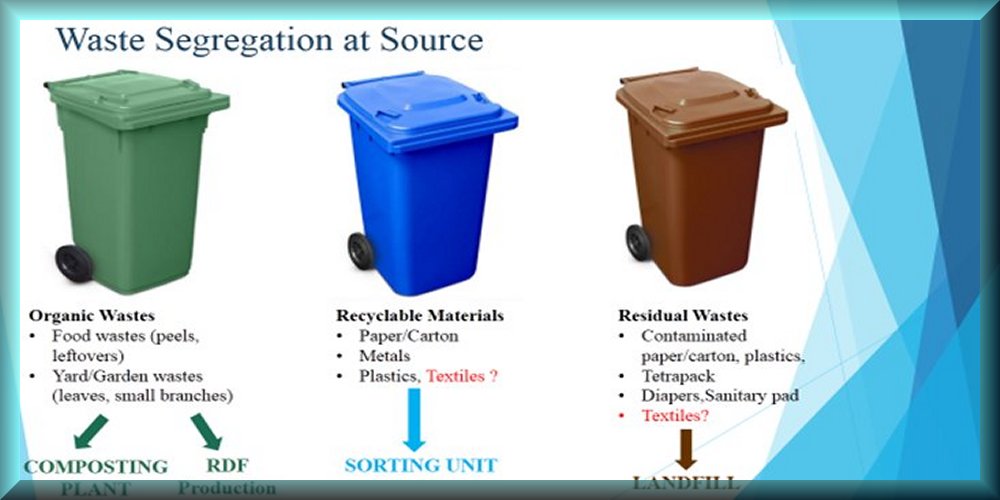 Rising temperatures and changing consumption patterns increase waste generation, while vulnerability of waste management facilities and disruptions in waste collection services due to extreme weather events compromise operational integrity and pose public health risks. | |||||
| More | More | |||||